
Beautiful Plants For Your Interior
Beautiful Plants For Your Interior
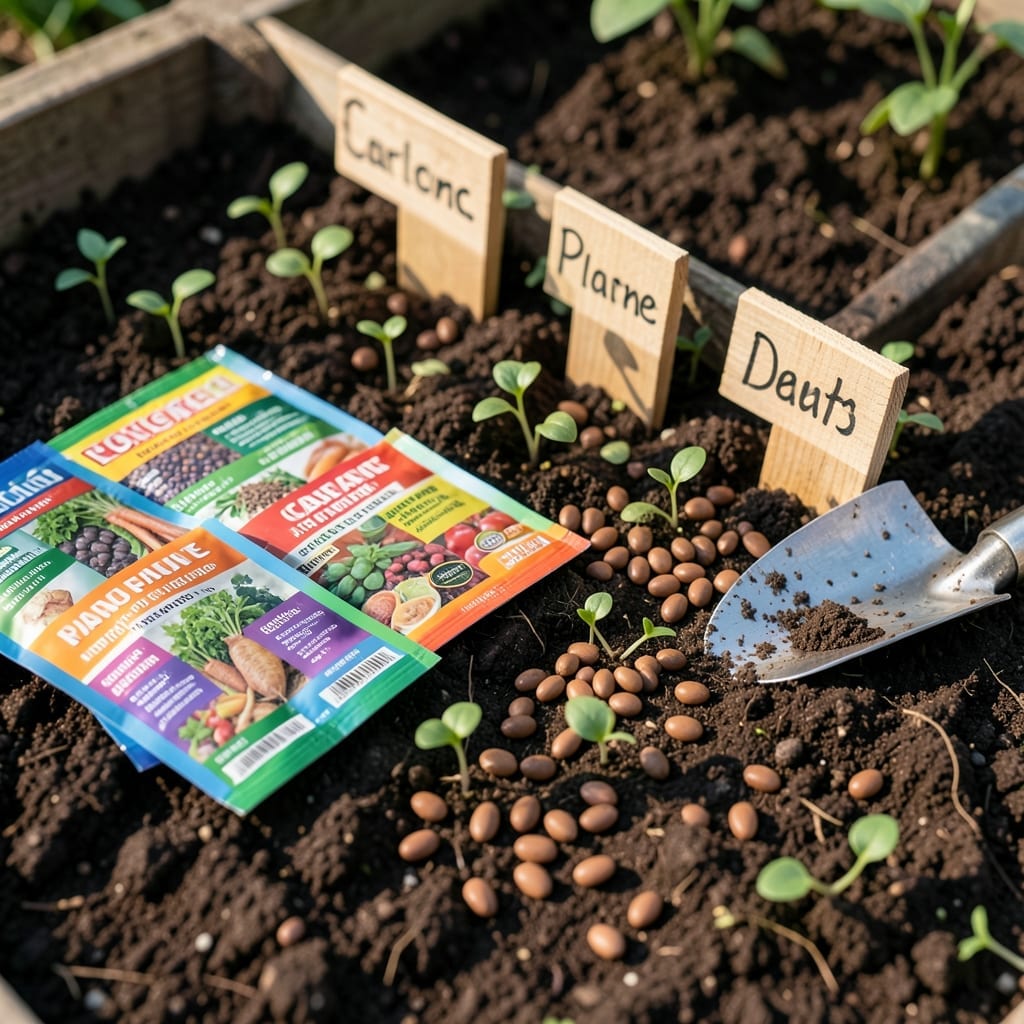
Timing is everything when growing General Garden Seeds 🌱. Plant too early, and a late frost could wipe out your hard work. Plant too late, and you might miss the ideal growing window entirely.
I’ve learned the hard way that even 3 weeks can make the difference between a thriving garden and a disappointing one. The key is understanding your local climate and seasonal patterns.
For most gardeners in zone 6, the sweet spot for many seeds is between March and May. But this can vary based on what you’re planting and your specific microclimate.
Discover how to pinpoint the perfect planting window for your seeds. Let’s make this your most successful growing season yet.
Getting the timing right for planting seeds can make or break your garden. I’ve learned that USDA hardiness zones are the best starting point for planning. Each zone has unique frost dates and soil conditions that dictate the ideal window. 🌱
For example, Zone 6 gardeners like me typically start cool-season crops like lettuce and peas in early spring, while warm-season plants such as tomatoes and peppers wait until after the last frost date. This ensures seeds aren’t exposed to damaging cold. 🌿
| Zone | Last Frost Date | Cool-Season Start | Warm-Season Start |
|---|---|---|---|
| Zone 3-4 | May 15 | April-May | Late May |
| Zone 5-6 | April 15 | March-April | Mid-April |
| Zone 7-8 | March 15 | February-March | Early March |
| Zone 9-10 | February 15 | January-February | Late February |
In Zone 9-10, where frost is rare, I can start warm-season seeds as early as late February. But remember, soil temperature is just as critical as air temperature. Most seeds need 50-85°F soil to germinate properly. ✂️
For cool-season crops like spinach or kale, I aim for soil temps between 40-75°F. These plants thrive in cooler weather and can even tolerate light frosts. This makes them perfect for early spring or fall planting in many zones.
Warm-season crops such as beans and cucumbers demand warmer soil—at least 60°F. I always check my soil thermometer before planting these. If the soil is too cold, seeds may rot or fail to sprout.
Another key factor is day length. Some plants, like onions, are sensitive to daylight hours and need specific conditions to bulb properly. Short-day onions do best in southern zones, while long-day varieties suit northern gardens.
I also consider microclimates in my yard. A south-facing wall or raised bed warms up faster in spring, allowing me to plant seeds a bit earlier than the general zone guidelines suggest.
Don’t forget to check seed packets for specific instructions. They often include days to maturity and planting depth, which help me time my planting for a continuous harvest throughout the growing season. 🌻
Finally, I keep a garden journal to track my planting dates and results each year. This helps me adjust my timing based on local weather patterns and improve my success rate over time. 🌷
Figuring out the best planting window starts with knowing your last frost date. I always check local agricultural extensions or online tools for accurate data. This date is your green light for warm-season crops.
Next, I test soil temperature with a simple thermometer. Most seeds need 50-85°F soil to germinate. Cool-season crops like lettuce prefer 50-60°F, while tomatoes need 70-80°F.
I never skip checking the seed packet instructions. They specify planting depth, spacing, and days to maturity. For example, carrots need 1/4 inch depth and 2 inches apart.
Local microclimates can change everything. A south-facing wall warms faster than open ground. I use row covers to protect early plantings from late frosts in unpredictable springs.
Some gardeners swear by moon phase planting. While not scientifically proven, I’ve noticed better germination during a waxing moon. It’s worth experimenting with in your garden.
Finally, I keep a garden journal to track what works. Noting planting dates, weather conditions, and germination rates helps me refine my timing each year. 🌱