
Beautiful Plants For Your Interior
Beautiful Plants For Your Interior
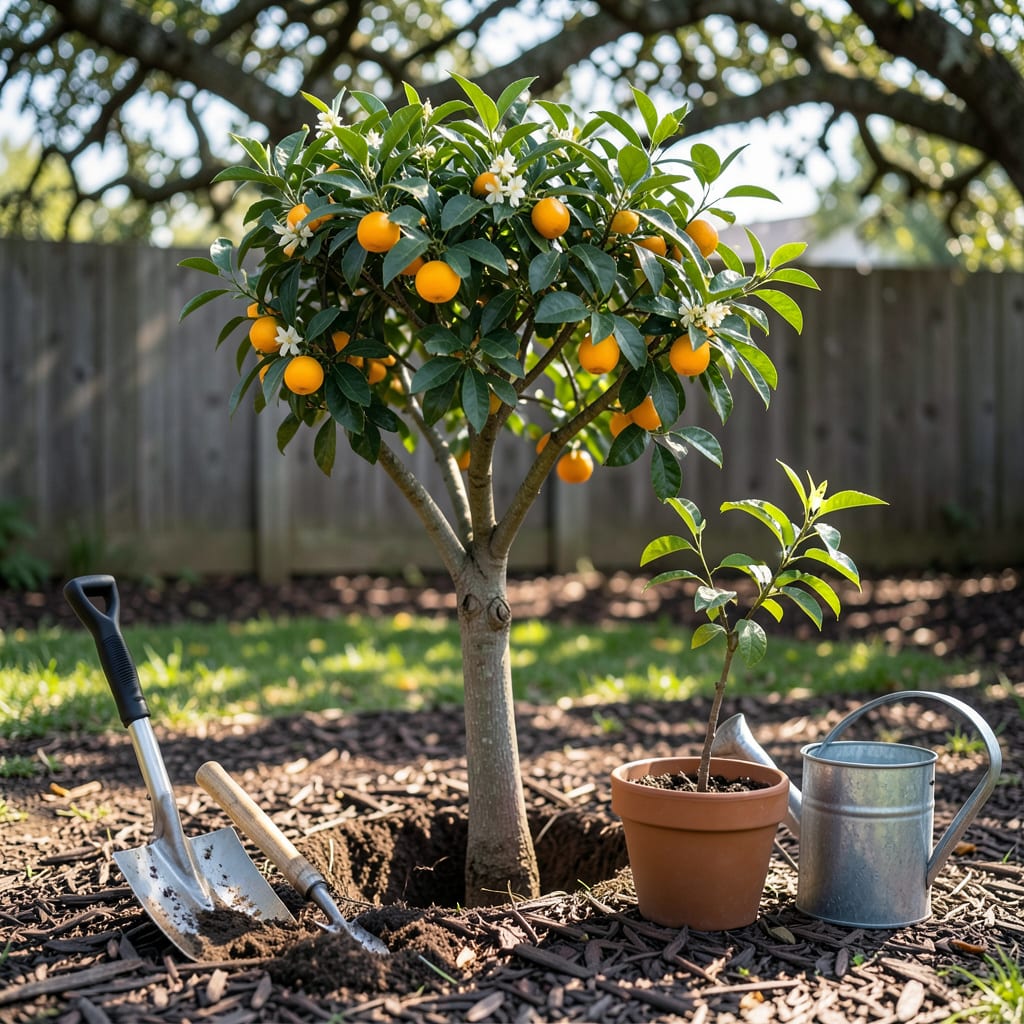
If you’ve ever dreamed of plucking sweet, juicy Satsumas straight from your Louisiana backyard, timing your planting is the make-or-break factor. Plant too early, and unexpected frosts could wipe out your young trees. Wait too long, and the scorching summer heat might stress them beyond recovery.
After years of testing what works in our humid subtropical climate, I’ve pinpointed the perfect window—when soil is warm but temperatures are still mild. Stick with me, and I’ll show you exactly how to set your 🌱 Satsuma trees up for decades of bountiful harvests, without the guesswork.
If you’ve ever dreamed of plucking sweet, seedless satsuma oranges straight from your Louisiana backyard, timing your planting is the secret to success. Louisiana’s USDA Zones 8a-9b offer a unique window where the soil is warm enough for root growth, but the summer heat hasn’t yet arrived to stress young trees.
I’ve found that late February through early April is the golden window for planting satsumas in most of the state. This timing avoids the risk of late winter frosts in northern parishes while giving roots a chance to establish before the sweltering summer kicks in. Southern Louisiana gardeners can push planting into early March, but don’t wait too long—soil temperatures above 60°F are ideal for root development. 🌱
Northern Louisiana gardeners in Zone 8a (think Shreveport or Monroe) should lean toward the earlier end of the window. A late February planting gives roots a head start before the last frost date, which can linger until mid-March. I always recommend having frost blankets on hand for unexpected cold snaps—young satsuma trees are vulnerable until established.
In Zone 9b (New Orleans, Houma, and the Gulf Coast), you’ve got more flexibility. Here, mid-March to early April is prime time. The soil warms faster, but watch out for sudden summer-like heatwaves. If you plant in early April, be prepared to water deeply every other day to combat the drying winds. A 3–4 inch layer of mulch helps retain moisture without suffocating roots. 💧
Why avoid planting in late spring or summer? Louisiana’s humidity and heat can shock young trees, leading to transplant stress or leaf drop. I’ve seen gardeners lose trees planted in May because the roots couldn’t keep up with water demand. If you miss the spring window, consider container-growing a satsuma for a year and transplanting the following late winter.
Soil prep is just as critical as timing. Satsumas thrive in well-draining, slightly acidic soil (pH 6.0–6.5). Before planting, I mix in compost and sand to improve drainage—Louisiana’s clay-heavy soil can drown roots if not amended. A soil test is worth the $15; it’ll save you from guessing on amendments. Aim for a planting hole twice as wide as the root ball but no deeper.
Here’s a pro tip: If you’re planting multiple trees, space them 12–15 feet apart. Satsumas need airflow to prevent fungal diseases like citrus canker, which thrives in Louisiana’s humid summers. I also recommend planting on a slight mound (6–12 inches high) to improve drainage, especially in low-lying areas prone to flooding during hurricane season. ✂️
After planting, water your satsuma deeply 2–3 times per week for the first month, then taper to once a week unless rainfall is scarce. Avoid wetting the leaves to reduce disease risk. If you’re in a hurricane-prone area, consider staking young trees to protect them from wind damage until their roots anchor firmly.
Finally, resist the urge to fertilize immediately. Wait until you see new growth (usually 4–6 weeks after planting), then use a citrus-specific fertilizer with a 2-1-1 NPK ratio. Over-fertilizing early can burn roots and set your tree back. Patience pays off—properly timed and cared-for satsumas can bear fruit in 2–3 years and live for decades! 🌳
Now that you know when to plant your satsuma trees in Louisiana, let’s dive into the how-to. Proper planting sets the stage for decades of sweet, juicy fruit. I’ve refined this process over years of trial and error in our humid climate, and these steps will help your trees thrive from day one. 🌱
Start by selecting a sunny, well-drained spot that gets at least 6–8 hours of sunlight daily. Satsumas need full sun to produce sweet fruit, but in Louisiana’s intense summer, a little afternoon shade won’t hurt—especially for young trees. Avoid low areas where water pools after rain; satsumas hate wet feet.
After planting, water your satsuma deeply 2–3 times per week for the first month, then taper to once a week unless rainfall is scarce. Louisiana’s humidity can be deceiving—always check the top 2 inches of soil for dryness before watering. Overwatering is just as dangerous as drought for young trees. 💧
One mistake I see often is planting too close to structures or other trees. Satsumas need 12–15 feet of space to reach their full size and airflow potential. Crowding leads to disease pressure and poor fruit production. If space is tight, opt for a dwarf variety like ‘Owari’ and keep it pruned to 8–10 feet tall. ✂️
For the first year, focus on root establishment rather than fruit production. Remove any flowers or small fruit that form—this directs energy to the roots. By the second or third year, you’ll start seeing a modest harvest. Be patient: a well-planted satsuma can produce fruit for 30+ years!
Finally, mark your calendar for annual pruning in late winter (January–February) to remove dead wood and shape the canopy. This timing avoids disturbing new spring growth. With the right care, your Louisiana-planted satsuma will reward you with sweet, easy-to-peel fruit every fall. 🌳
Not all satsuma varieties are created equal when it comes to Louisiana’s unique climate. After testing dozens of types in my own orchard, I’ve found that cold-hardy, early-maturing varieties perform best here. They handle our humid summers and occasional winter chills without sacrificing flavor or yield. 🌱
The ‘Owari’ satsuma is my top pick for most Louisiana gardeners. It’s self-pollinating, thrives in Zones 8–9, and produces seedless, easy-to-peel fruit with a perfect balance of sweetness and tartness. For northern parishes (Zone 8a), I recommend planting ‘Owari’ in late February to give it extra time to establish before winter.
For southern Louisiana (Zones 9a–9b), ‘Brown Select’ is a fantastic choice. It handles the heat and humidity better than most, and its large, juicy fruit ripens in mid-November—just in time for holiday gifting. Plant it in early to mid-March to avoid summer stress. If you’re in hurricane-prone areas, its sturdy branches resist wind damage better than delicate varieties. 💧
Gardeners eager for the earliest harvest should try ‘Armstrong Early’. This variety ripens in late October, beating other satsumas by 2–3 weeks. It’s perfect for Zone 9b (like New Orleans) where winters are mild. Plant it in mid-March to early April, and you’ll be enjoying fruit while others are still waiting. Just note: its thinner skin makes it more prone to pest damage, so monitor closely. ✂️
Avoid varieties like ‘Silverhill’ or ‘St. Ann’ unless you’re in the warmest microclimates (Zone 9b). These late-maturing types often struggle to ripen fully in northern Louisiana before cold snaps hit. If you’re set on trying them, plant in containers and move indoors during winter. For most backyard growers, sticking with ‘Owari’ or ‘Brown Select’ ensures reliable harvests year after year. 🌳
No matter which variety you choose, remember that grafted trees (not seed-grown) are essential for true-to-type fruit. Purchase from a reputable Louisiana nursery to ensure your tree is acclimated to our climate. With the right variety and planting timing, you’ll be rewarded with bushels of sweet citrus for decades—just like my 20-year-old ‘Owari’ that still outproduces younger trees!
Satsuma trees thrive when soil reaches 60°F or higher. In Louisiana, this typically happens between late February and early April, depending on your zone. Use a soil thermometer to check—planting in cooler soil can shock roots and slow establishment.
Container-growing lets you plant year-round. Use a 15–20 gallon pot with drainage holes and citrus-specific soil. Keep it in full sun and water when the top inch of soil dries. Transplant to ground the following late winter for best results.
Cover new plantings with frost blankets or burlap when temps drop below 32°F. For extra warmth, wrap the trunk with foam insulation and add a 100-watt outdoor light under the cover. Remove covers during the day to prevent overheating.
Louisiana’s heat and humidity stress young trees, causing leaf drop or root damage. Summer-planted satsumas often struggle to establish before hurricane season. If you must plant then, choose early morning, water daily, and use shade cloth for the first month.
Space standard satsumas 12–15 feet apart for airflow and disease prevention. Dwarf varieties need 8–10 feet. In tight spaces, plant on a slight mound (6–12 inches high) to improve drainage and reduce competition for nutrients.
