
Beautiful Plants For Your Interior
Beautiful Plants For Your Interior
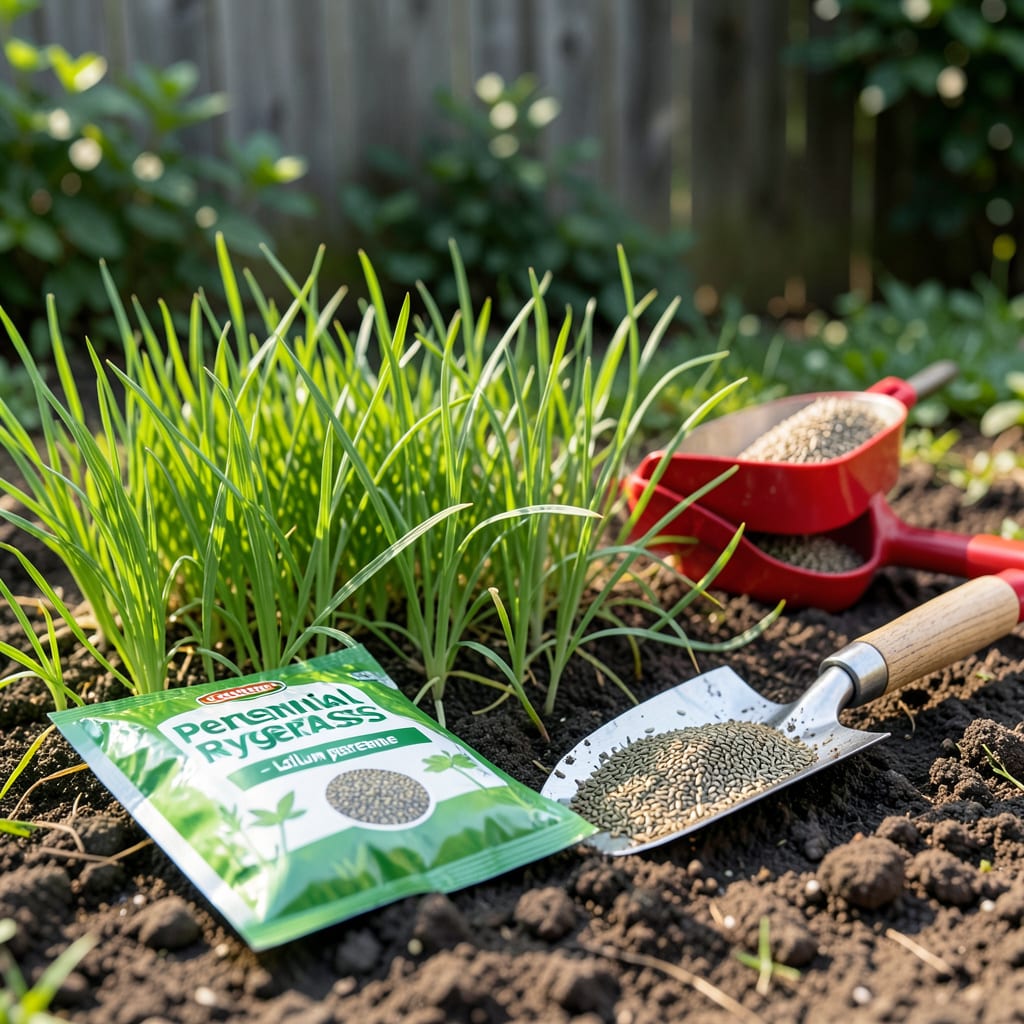
Timing your ryegrass planting in Georgia can make or break your lawn’s success. Plant too early, and summer’s lingering heat might scorch those tender seedlings. Wait too long? You’ll be racing against winter frost to establish roots.
I’ve seen both scenarios play out across Georgia’s diverse climate—from the Piedmont’s rolling hills to the Coastal Plains’ milder winters. The good news? There’s a perfect 4-6 week window that balances soil warmth and frost risk. Let’s pinpoint exactly when to sow for lush, resilient growth in your region.
If you’re dreaming of a lush, green lawn in Georgia’s Piedmont region, timing your ryegrass planting is non-negotiable. This cool-season grass thrives when planted in early fall, giving roots time to establish before winter. I’ve seen too many lawns struggle because folks planted too late—or worse, too early when summer heat lingers.
The sweet spot for Piedmont areas like Atlanta, Athens, and Macon is September 15 to October 15. This window ensures soil temps are 60–75°F, ideal for germination. Plant earlier in Zone 7a (north Piedmont), and wait until late September for Zone 8a (central areas).
| Planting Factor | Piedmont Region (Zones 7a-8a) |
|---|---|
| Best Planting Window | Sept 15 – Oct 15 |
| Soil Temperature | 60–75°F (use a soil thermometer!) |
| Seed Depth | ¼–½ inch (lightly rake in) |
| Seeding Rate | 5–10 lbs/1,000 sq ft (overseeding: 3–5 lbs) |
| First Frost Date | Nov 15 (aim for 4–6 weeks prior) |
| Soil Prep | Test pH (ideal: 6.0–7.0); add lime if acidic |
Soil prep makes or breaks your ryegrass success. I always test my soil’s pH first—ryegrass prefers 6.0–7.0. If it’s too acidic (common in Piedmont’s clay-heavy soil), add pelletized lime 2–3 weeks before planting. Till the top 2–3 inches and remove debris for optimal seed-to-soil contact.
Watering is critical during establishment. Keep soil consistently moist (not soggy) for the first 10–14 days. I use a light sprinkler twice daily for short bursts—just enough to keep the top inch damp. Once germinated, shift to deep watering (1 inch/week) to encourage root growth.
Fertilizing at planting gives ryegrass a boost. Apply a starter fertilizer (like 10-10-10) at ½ lb per 100 sq ft. Avoid high-nitrogen blends until after the first mowing, which should happen when grass reaches 3–4 inches. Mow high—2–2.5 inches—to shade out weeds.
Watch for common Piedmont pitfalls: planting too shallow (seeds dry out) or too deep (poor germination). If you’re overseeding a warm-season lawn like Bermuda, scalp it first to ½ inch and remove clippings. This ensures sunlight reaches the ryegrass seeds.
Microclimates matter! In urban Atlanta, heat islands may delay planting by a week. Conversely, higher elevations (like Dahlonega) might need earlier planting. Check your local frost dates and adjust accordingly. When in doubt, err on the side of planting 1–2 weeks earlier.
If you miss the fall window, spring planting is possible but riskier. Aim for February 15–March 1 in Piedmont, but expect less heat tolerance come summer. Ryegrass planted in spring often dies off by June unless you’re using it as a temporary cover crop.
For the best results, pair ryegrass with clover or fescue in shady spots. I’ve had great luck mixing 20% ryegrass with 80% tall fescue for a durable, year-round lawn. Just remember: ryegrass is a temporary fix—it’ll die in summer heat, so plan accordingly!
Pro tip: Use a seed-to-soil contact tool (like a lawn roller) after planting to improve germination rates. And if weeds are a problem, apply a pre-emergent (like prodiamine) after your ryegrass is established—never before planting!
Coastal Georgia’s milder winters and higher humidity mean ryegrass planting follows a different rhythm than the Piedmont. Here, you’ll want to shift your timeline later in the season—typically October through November—to avoid summer’s lingering heat while still giving roots time to establish before winter.
In Zones 8b–9a (think Savannah, Brunswick, or St. Simons Island), the ideal window is October 15 to November 15. This timing accounts for warmer soil temps that persist longer than in northern Georgia. I’ve found that planting too early (before October) often leads to heat stress or disease pressure from humidity.
| Factor | Piedmont (Zones 7a-8a) | Coastal (Zones 8b-9a) |
|---|---|---|
| Best Planting Window | Sept 15 – Oct 15 | Oct 15 – Nov 15 |
| Soil Temperature | 60–75°F | 65–80°F |
| First Frost Date | Nov 15 | Dec 1–15 |
| Seeding Rate | 5–10 lbs/1,000 sq ft | 6–12 lbs/1,000 sq ft |
| Humidity Challenge | Moderate | High (watch for fungus) |
| Overseeding Warm-Season Grass? | Yes (Bermuda, Zoysia) | Yes (Centipede, St. Augustine) |
Coastal Georgia’s higher humidity means you’ll need to be extra vigilant about fungal diseases like gray leaf spot or pythium blight. To combat this, I recommend planting in well-draining areas and avoiding evening watering, which prolongs leaf wetness. If your lawn has a history of fungus, consider a preventative fungicide (like azoxystrobin) at planting.
Overseeding warm-season grasses? Coastal lawns often feature Centipede or St. Augustine, which go dormant earlier than Bermuda. Scalp these grasses to 1 inch before seeding, and remove clippings to ensure seed-to-soil contact. A light top-dressing of compost (¼ inch) can improve germination in sandy coastal soils.
Watering in Coastal Georgia requires a delicate balance. The first 2 weeks are critical—keep soil moist but not waterlogged. I use a soaker hose on a timer for 10–15 minutes daily, adjusting based on rainfall. Once established, reduce to ½ inch twice weekly. Avoid overhead sprinklers in humid periods to minimize disease risk.
Fertilizing coastal ryegrass? Skip the heavy nitrogen in fall. Instead, use a balanced starter fertilizer (e.g., 10-10-10) at planting, then switch to a low-nitrogen, high-potassium blend (like 5-10-20) in late fall. This strengthens roots for winter without promoting excessive top growth that’s vulnerable to frost.
Spring transition is trickier here. Coastal ryegrass often lingers into May or June, but it’ll die off as temps hit 85°F+. To ease the shift, gradually lower your mower height in April and reduce watering. This stresses the ryegrass slightly, encouraging the underlying warm-season grass to green up faster.
🌱Even with perfect timing, small mistakes can derail your ryegrass success. I’ve seen Georgia lawns fail because of avoidable errors—like planting too shallow or ignoring soil prep. Let’s tackle the top 5 pitfalls and how to sidestep them for a lush, green lawn.
First up: improper seed depth. Ryegrass seeds need light to germinate, so planting too deep (over ½ inch) smothers them. Conversely, leaving seeds on the surface risks drying out. I use a light rake to nestle seeds just ¼ inch deep—enough contact to stay moist but not buried.
Another common misstep? Planting without scalping warm-season grasses first. If overseeding Bermuda or Centipede, mow to ½–1 inch and remove clippings. This lets sunlight reach ryegrass seeds. I use a bagging mower to clear debris, then lightly rake to expose soil.
Don’t overlook seed quality. Cheap ryegrass seed often contains weed contaminants or low germination rates. I splurge on certified, disease-resistant varieties like ‘Gulf’ annual ryegrass or ‘Marshall’ perennial ryegrass. Check the label for 90%+ germination and 0% weed seed.
Finally, neglecting post-planting care is a recipe for patchy lawns. After germination, gradually reduce watering to 1 inch/week but monitor for drought stress. Apply a winterizer fertilizer (high potassium) in late November to strengthen roots. In spring, resist the urge to over-fertilize—ryegrass declines as temps rise, so focus on transitioning warm-season grasses back.
✂️If you’re in Coastal Georgia, watch for salt spray near shorelines—it can stunt growth. Rinse lawns with fresh water after storms. In the Piedmont, compacted clay may require aeration before planting. Rent a core aerator to pull 2–3 inch plugs, then overseed immediately for best contact.
Remember: ryegrass is a temporary solution for winter greenery. Plan your spring transition early—gradually lower mower heights in March to help warm-season grasses reclaim your lawn. With these fixes, you’ll avoid the mistakes I’ve seen ruin too many Georgia lawns!
🌱North Georgia’s Piedmont region (Zones 7a-8a) has cooler fall temps, so plant September 15–October 15. Coastal areas (Zones 8b-9a) stay warmer longer, so delay until October 15–November 15. This prevents heat stress while ensuring roots establish before frost.
Spring planting is possible but riskier. Aim for February 15–March 1 in most areas, but expect it to die off by June as summer heat arrives. Fall planting is ideal because it gives roots time to develop before winter dormancy.
For new lawns, use 5–10 lbs per 1,000 sq ft. Overseeding existing grass? 3–5 lbs is plenty. Coastal Georgia’s sandy soil may need the higher end of the range for even coverage. Always check the seed bag for specific rates.
Skipping soil prep! Georgia’s clay-heavy soils often need lime (for pH 6.0–7.0) or compost to improve drainage. Test soil 4–6 weeks before planting and amend as needed. Without this, seeds struggle to germinate evenly.
Start by gradually lowering mower height in March to let sunlight reach warm-season grasses like Bermuda. Reduce watering to stress the ryegrass slightly, helping your summer lawn reclaim the space naturally. Avoid fertilizing ryegrass in spring—it delays the transition.
