
Beautiful Plants For Your Interior
Beautiful Plants For Your Interior
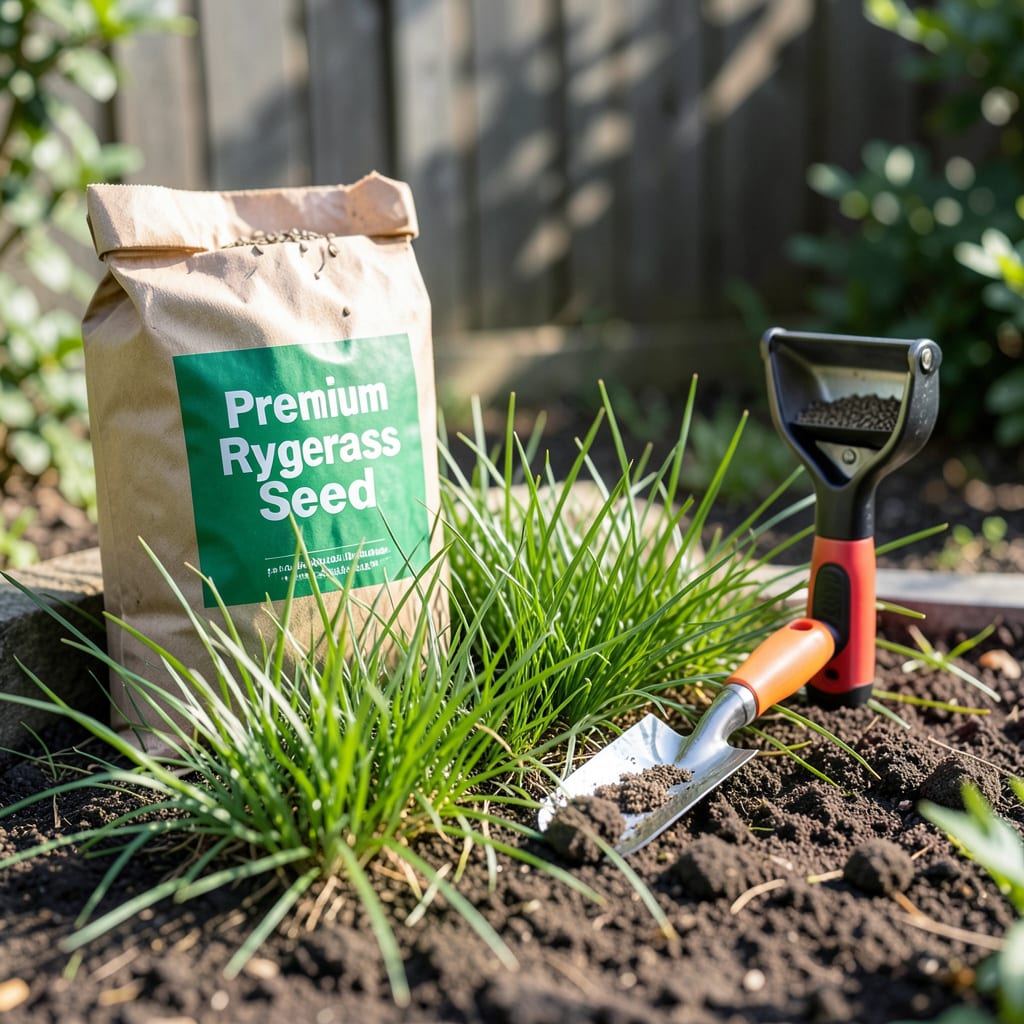
Alabama’s unpredictable weather can turn your lawn dreams into a brown, patchy nightmare—unless you nail the timing. I’ve seen too many homeowners waste seed and effort by planting ryegrass at the wrong moment, only to watch it struggle through winter or burn out by spring.
The good news? There’s a perfect window to sow 🌱 ryegrass in Alabama, and it’s all about working with the state’s unique climate. I’ll break down the exact months for your region, why timing beats luck every time, and the simple tricks pros use for a lawn that stays green when others turn dull.
If you’re dreaming of a vibrant green lawn that stays lush through Alabama’s mild winters, timing your ryegrass planting is critical. Alabama’s diverse climate—spanning USDA zones 7 through 9—means what works in Huntsville won’t always suit Mobile. I’ll break down the perfect planting windows for each region.
The secret? Aim for soil temperatures between 60-65°F, which typically arrives in early fall. Plant too early, and summer heat will stress seedlings. Plant too late, and frost may stunt growth. Let’s dive into the region-specific timelines that guarantee success.
| Region | Ideal Months | Soil Temp | First Frost | Pro Tip |
|---|---|---|---|---|
| North AL (Zones 7-8) |
Sept 15–Oct 15 | 60–65°F | Nov 1 | Plant 6 weeks before frost for establishment. |
| Central AL (Zone 8) |
Oct 1–Oct 30 | 62–68°F | Nov 15 | Overseed Bermuda lawns at 50% rate. |
| South AL (Zone 9) |
Oct 15–Nov 15 | 65–70°F | Dec 1 | Use annual ryegrass for quick cover. |
🌱 Pro Tip: Soil thermometers ($10 at garden centers) take the guesswork out of timing!
In North Alabama (think Birmingham or Huntsville), you’ll want to sow ryegrass September 15 through October 15. The cooler nights here mean soil cools faster, so planting earlier ensures roots establish before the first frost (around November 1). I recommend perennial ryegrass for this region—it handles cold snaps better.
For Central Alabama (Montgomery, Auburn), shift your timeline to October 1–30. The slightly warmer microclimate means you can plant a bit later, but don’t delay past Halloween. This is the perfect window to overseed thinning Bermuda lawns. Use a 50/50 mix of perennial and annual ryegrass for balance.
Down in South Alabama (Mobile, Dothan), you’ve got until mid-November thanks to zone 9’s warmth. Here, annual ryegrass is king—it germinates fast and provides quick winter color. Just remember: it won’t return next year, so plan to reseed annually. Soil temps stay warmer longer, so wait until October 15 to start.
Why does timing matter so much? Ryegrass needs 4–6 weeks of growth before winter dormancy sets in. Plant too early, and summer weeds will outcompete your seedlings. Plant too late, and tender roots may not survive a hard freeze. I’ve seen lawns fail both ways—trust me, hitting that 60–65°F soil sweet spot is non-negotiable.
Here’s a quick test: Grab a soil thermometer (or use a meat thermometer in a pinch) and check temps at 2-inch depth around 10 AM. When you hit 60°F consistently for 3 days, it’s go time. For tech-savvy gardeners, apps like Dirt Alert track local soil temps—no guesswork needed!
If you’re overseeding an existing lawn, mow low first (1 inch) and rake to expose soil. This ensures seed-to-soil contact, which is critical for germination. Use 5–10 lbs of seed per 1,000 sq ft, and water lightly twice daily until sprouts appear (usually 7–14 days). Pro tip: Mix seed with sand for even distribution!
Still unsure? Watch your local pecan trees. When their leaves start turning, soil temps are typically perfect for ryegrass. Nature’s calendar is often more reliable than a printed one! And if you miss the ideal window, dormant seeding in late winter (February) can work—just expect slower results.
Ready to transform your lawn? Grab your seed and mark those region-specific dates on your calendar. For next steps, check out my ryegrass care guide to keep your lawn thriving through spring. Your neighbors will be asking for your secrets by March!
Now that you know when to plant, let’s tackle the how. I’ve seen too many Alabama lawns struggle because of skipped prep steps or improper seeding. Whether you’re starting fresh or overseeding, these proven techniques will give your ryegrass the best shot at success.
First things first: test your soil. Ryegrass thrives in pH 5.5-7.0, but Alabama’s clay-heavy soils often need amending. Grab a $15 test kit from your local extension office. If your pH is off, work in lime (to raise pH) or sulfur (to lower) at least 2 weeks before planting.
🚫 Planting too deep: Seed needs light to germinate! Max depth = ¼ inch.
🚫 Skipping soil prep: Compacted soil = poor germination. Aerate first if your lawn is hard.
🚫 Over/under-watering: Keep soil moist but not soggy—think damp sponge, not swamp.
🚫 Using stale seed: Ryegrass loses viability fast. Check the pack date—older than 1 year? Toss it.
For new lawns, start with a clean slate. Kill existing weeds with glyphosate (follow label directions!), then till the top 2-3 inches of soil. Mix in 2 inches of compost to improve drainage—Alabama’s clay can drown tender roots. If overseeding, mow low (1 inch) and dethatch to expose bare soil.
When seeding, precision matters. Use a broadcast spreader for even coverage at 5-10 lbs per 1,000 sq ft. For small areas, mix seed with sand (1:1 ratio) for better distribution. Lightly rake to ensure seed-to-soil contact, then roll with a lawn roller (or walk over the area) to press seeds in.
Watering is where most folks mess up. For the first 2 weeks, water lightly twice daily (morning/evening) to keep soil moist. Once sprouts appear (usually 7-14 days), shift to deep watering (½ inch) 2-3 times weekly. Avoid evening watering after germination—it invites fungal diseases like rust.
Here’s my Alabama-specific pro tip: After seeding, cover with a thin layer of straw mulch (not hay!). This keeps soil moist and protects seeds from heavy fall rains that can wash them away. Remove excess mulch once grass reaches 2 inches tall. And don’t forget—ryegrass germinates fastest at 60-75°F, so plant when daytime temps hit 70-80°F.
For overseeding warm-season lawns (Bermuda, Zoysia), use half the seed rate (3-5 lbs/1,000 sq ft). This prevents overcrowding when your summer grass wakes up. I recommend ‘Gulf’ annual ryegrass for quick color or ‘Pennfine’ perennial for longevity. Both handle Alabama’s winters well when planted at the right time.
You’ve planted your ryegrass at the perfect time—now let’s keep it thriving through Alabama’s winter and into spring. I’ve seen too many lawns start strong but fade by February because of poor seasonal care. Here’s your month-by-month guide to mowing, feeding, and protecting your ryegrass.
The key? Adjust your routine as temperatures shift. In November–December, focus on root development with light fertilizer and consistent moisture. Come January–February, watch for disease pressure from damp conditions. By March–April, it’s all about transition prep as warm-season grasses wake up.
🌱 Pro Tip: Mark your calendar for Valentine’s Day—time to scout for winter damage!
Let’s talk fertilization. In late fall (November), apply a winterizer blend (like 16-4-8) to strengthen roots. Skip feeding in December–January—dormant grass doesn’t need it. If your lawn looks tired by February, a light application (½ the recommended rate) of balanced fertilizer (10-10-10) can perk it up.
Mowing height is critical. Keep ryegrass at 2 inches through winter to protect crowns from frost. In early spring (March), gradually lower to 1.5 inches to reduce shade on emerging warm-season grass. Never remove more than ⅓ of the blade at once—this stresses the plant and invites weeds.
Watering changes with the seasons. In winter (Dec–Feb), 1 inch per week (including rain) is plenty. Use a rain gauge to track—Alabama’s winter rains are unpredictable! Come spring (March–April), taper off as ryegrass naturally declines. Overwatering now delays your warm-season grass’s return.
Watch for common Alabama pests/diseases. Gray leaf spot (circular brown patches) loves our humid winters—treat with copper fungicide at first sign. Rust fungus (orange dust on blades) means you’re watering too late; shift to morning irrigation. And if armyworms chew your lawn overnight, apply Bt (Bacillus thuringiensis) immediately.
Planting before September exposes seedlings to Alabama’s brutal heat. The young grass struggles with drought stress, and weeds often outcompete it. Soil temps above 75°F can even prevent germination entirely.
Many Alabama lawns blend ryegrass with tall fescue or Kentucky bluegrass for extended green. Use a 70/30 ratio (ryegrass dominant) for quick establishment. Just ensure all seeds have similar water and sun needs.
Check two things: temperature and texture. Soil should read 60-65°F at 2-inch depth (use a meat thermometer in a pinch). Also, squeeze a handful—it should crumble easily, not form a mud ball or dust.
Only perennial ryegrass has a chance to return, and even then, Alabama’s hot summers usually kill it. Annual varieties always die by June. For year-round green, plan to overseed warm-season grass each fall.
For quick results, use annual ryegrass at 10 lbs/1,000 sq ft and water twice daily for 10 days. You’ll see sprouts in 5-7 days with proper moisture. Add a starter fertilizer to boost growth.
