
Beautiful Plants For Your Interior
Beautiful Plants For Your Interior
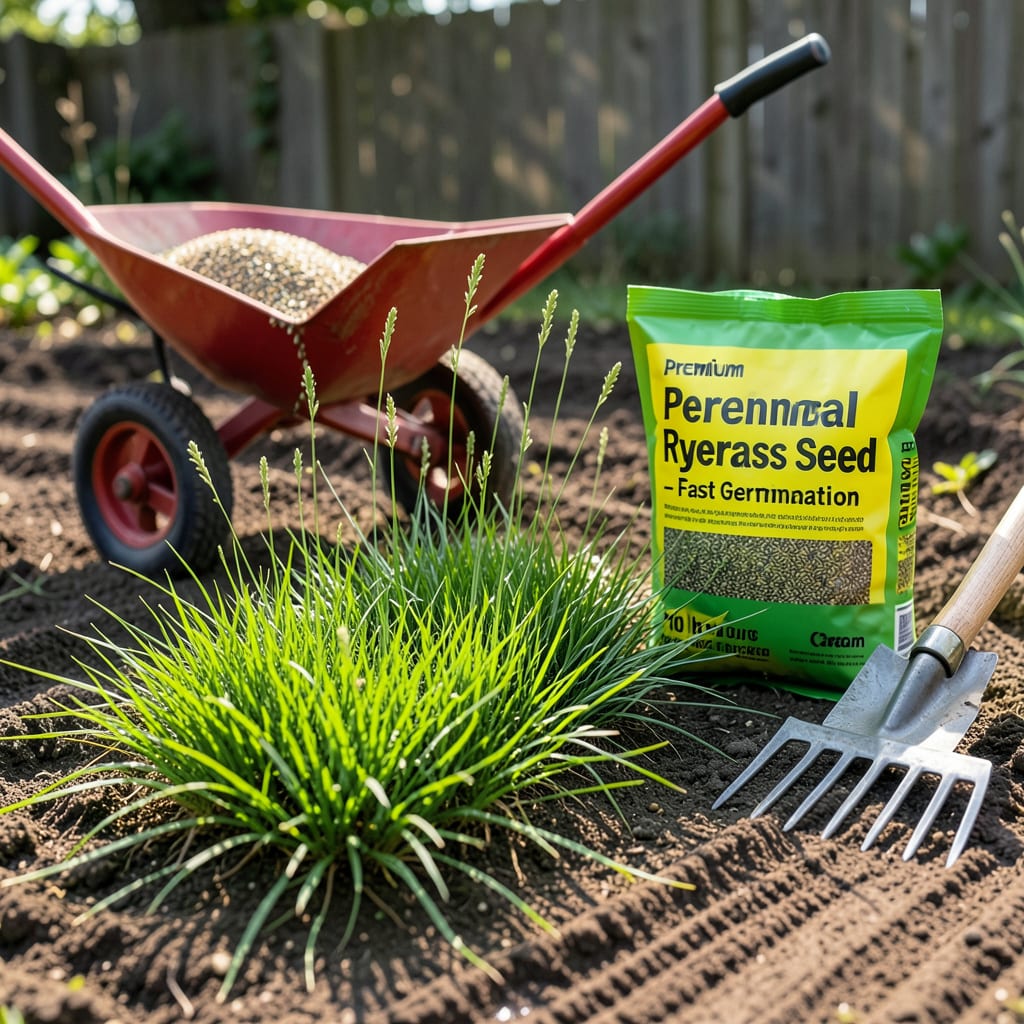
Your North Texas lawn doesn’t have to turn brown when temperatures drop. The secret to keeping it lush through winter? Planting Rye Grass at just the right time—before that first frost sneaks up on you.
I’ve seen too many homeowners miss the window, leaving their yards patchy and weak. But with the proper fall schedule (and a few local tricks), you can have vibrant green grass while your neighbors’ lawns hibernate. Let’s break down the exact timing and steps for success.
If you’re dreaming of a lush green lawn all winter in North Texas, timing your rye grass planting is critical. The sweet spot is early September to mid-October, when soil temperatures hover around 70°F—perfect for germination. Plant too early, and the summer heat will fry your seeds. 🌱
North Texas spans USDA Zone 8a, but microclimates vary. Cities like Dallas and Fort Worth have slightly different frost dates, so I’ll break down the ideal windows for each. The goal? Get your rye established 4-6 weeks before the first frost (around November 15).
| City | Ideal Planting Window | First Frost Date | Soil Temp Goal |
|---|---|---|---|
| Dallas | Sept 10–Oct 15 | Nov 20 | 70–75°F |
| Fort Worth | Sept 5–Oct 10 | Nov 15 | 68–72°F |
| Denton | Sept 15–Oct 20 | Nov 18 | 65–70°F |
| McKinney | Sept 12–Oct 18 | Nov 17 | 67–73°F |
Note: Adjust dates by 5–7 days for warmer/cooler microclimates.
Why does soil temperature matter? Rye grass seeds need consistent warmth to germinate—below 65°F, they’ll struggle. I recommend using a soil thermometer to check temps at 2-inch depth before planting. If you’re overseeding Bermuda grass, scalp it first to reduce competition. ☀️
In Dallas, aim for early September plantings if you want a head start, but mid-October is your cutoff. Fort Worth gardeners can push it a week later thanks to slightly cooler temps. For Denton and McKinney, stick to the mid-September to mid-October range to avoid frost risk.
Pro tip: Watch the 10-day forecast before planting. If nighttime temps dip below 50°F, your seeds may germinate slower. I’ve seen best results when daytime highs stay under 85°F—rye grass hates heat stress during establishment. 🌡️
If you miss the fall window, early spring (March–April) is your backup. But fall plantings give rye grass a stronger root system before summer dormancy. For perennial rye, fall is non-negotiable—it needs time to establish before winter.
Still unsure? Texas A&M AgriLife Extension recommends planting rye grass 30–45 days before the first frost. For most of North Texas, that’s October 1. Mark your calendar and prep your soil now—your winter lawn will thank you! ✂️
Remember, rye grass thrives in full sun but tolerates partial shade. If your lawn has heavy clay soil (common in North Texas), mix in compost to improve drainage. Water lightly daily for 2 weeks post-planting to keep seeds moist. 💧
Finally, avoid planting after November 1—late seeds often fail to root deeply before winter. If you’re overseeding, mow your warm-season grass low (1 inch) and rake to expose soil. This ensures good seed-to-soil contact, which is key for germination success. 🌿
Now that you know when to plant, let’s dive into the how-to. Planting rye grass in North Texas isn’t just about tossing seeds—it’s about prepping your soil, choosing the right variety, and nailing the watering schedule. I’ll walk you through each step so your lawn stays green all winter. 🌱
First, decide between annual ryegrass (cheaper, faster germination) or perennial ryegrass (more durable, better cold tolerance). For most North Texas lawns, I recommend perennial—it handles our unpredictable winters better and comes back stronger in spring.
Pro Tip: Plant in the early morning to reduce evaporation and give seeds a full day to absorb moisture. ✂️
Watering is where most folks mess up. For the first two weeks, your goal is to keep the top ½ inch of soil moist. Use a mist setting on your sprinkler to avoid washing seeds away. After germination, shift to deep, infrequent watering (1 inch per week) to encourage root growth. 💧
If you’re overseeding Bermuda grass, don’t skip the scalping step—it’s brutal but necessary. I’ve seen lawns fail because homeowners left too much thatch, which blocked sunlight and water from reaching rye seeds. Use a dethatching rake or rent a power rake for large areas.
For clay soil (common in Dallas and Fort Worth), mix in compost or sand to improve drainage. Rye grass hates soggy roots, so if your lawn holds water after rain, consider amending the soil or planting on a slight slope. Test drainage by digging a 1-foot hole, filling it with water, and timing how long it takes to drain. 🌡️
Avoid planting if heavy rain is forecast within 48 hours—seeds can wash away or clump. If you must plant before rain, cover seeds with straw mulch (not hay, which contains weed seeds). Remove mulch once grass reaches 2 inches to prevent matting.
Finally, resist the urge to fertilize again until late winter. Too much nitrogen early on promotes weak, leggy growth that’s vulnerable to frost. Stick to the starter fertilizer at planting, then wait until February for a light 16-4-8 NPK boost. Your patience will pay off with a denser, healthier lawn. 🌿
Not all cool-season grasses thrive equally in North Texas. While rye grass is my top pick for overseeding, it’s worth comparing to alternatives like tall fescue and Kentucky bluegrass. Each has pros and cons for our Zone 8a winters and clay-heavy soils. 🌱
Rye grass shines for its fast germination (5–10 days) and low cost, but it struggles with drought tolerance. If you need a lawn that handles dry spells better, tall fescue might be worth the extra effort. Let’s break down how they stack up for North Texas lawns.
| Grass Type | Cold Tolerance | Drought Resistance | Maintenance | Best For |
|---|---|---|---|---|
| Annual Ryegrass | Moderate | Low | Low | Quick green-up, budget-friendly |
| Perennial Ryegrass | High | Moderate | Medium | Longer-lasting, overseeding |
| Tall Fescue | Very High | High | High | Drought-prone areas, shade |
| Kentucky Bluegrass | High | Low | Very High | High-traffic lawns, cool climates |
Note: Rye grass is best for overseeding warm-season lawns (Bermuda, Zoysia) in North Texas.
Rye grass wins for North Texas because it germinates quickly and blends well with Bermuda grass. It’s also cheaper than tall fescue and easier to maintain than Kentucky bluegrass. However, it requires more water and struggles in deep shade. ☀️
If your lawn has partial shade or you want year-round green, consider mixing rye grass with tall fescue. I’ve seen this combo thrive in Dallas and Fort Worth yards with dappled sunlight. Just be prepared for higher water needs—tall fescue drinks more than rye. 💧
For high-traffic areas (like kids’ play zones), Kentucky bluegrass offers superior durability but demands frequent watering and weekly mowing. It’s overkill for most North Texas lawns unless you’re willing to babysit it. Stick with rye for simplicity and cost savings.
Avoid planting fine fescue—it can’t handle our summer heat and struggles in clay soil. If you’re tempted by its shade tolerance, opt for tall fescue blends instead. They’re tougher and recover better from Texas droughts. 🌡️
Planting before early September risks heat stress. Rye grass seeds need soil temps below 85°F to germinate properly. Summer heat can fry seeds or cause patchy growth.
This is called overseeding. First, scalp your Bermuda to 1 inch, then plant rye grass. The rye will keep your lawn green in winter while Bermuda stays dormant.
Use 8-10 lbs of seed per 1,000 sq ft for full coverage. For overseeding, reduce to 5-7 lbs per 1,000 sq ft. Always divide seed into two batches and spread in perpendicular directions.
Your backup is early spring (March-April). While not ideal, it gives seeds time to establish before summer. Just know spring-planted rye may struggle with heat stress later.
Water daily for the first 2 weeks with light misting to keep soil moist. After germination, switch to 1 inch per week (including rainfall). Always water in the early morning.
