
Beautiful Plants For Your Interior
Beautiful Plants For Your Interior
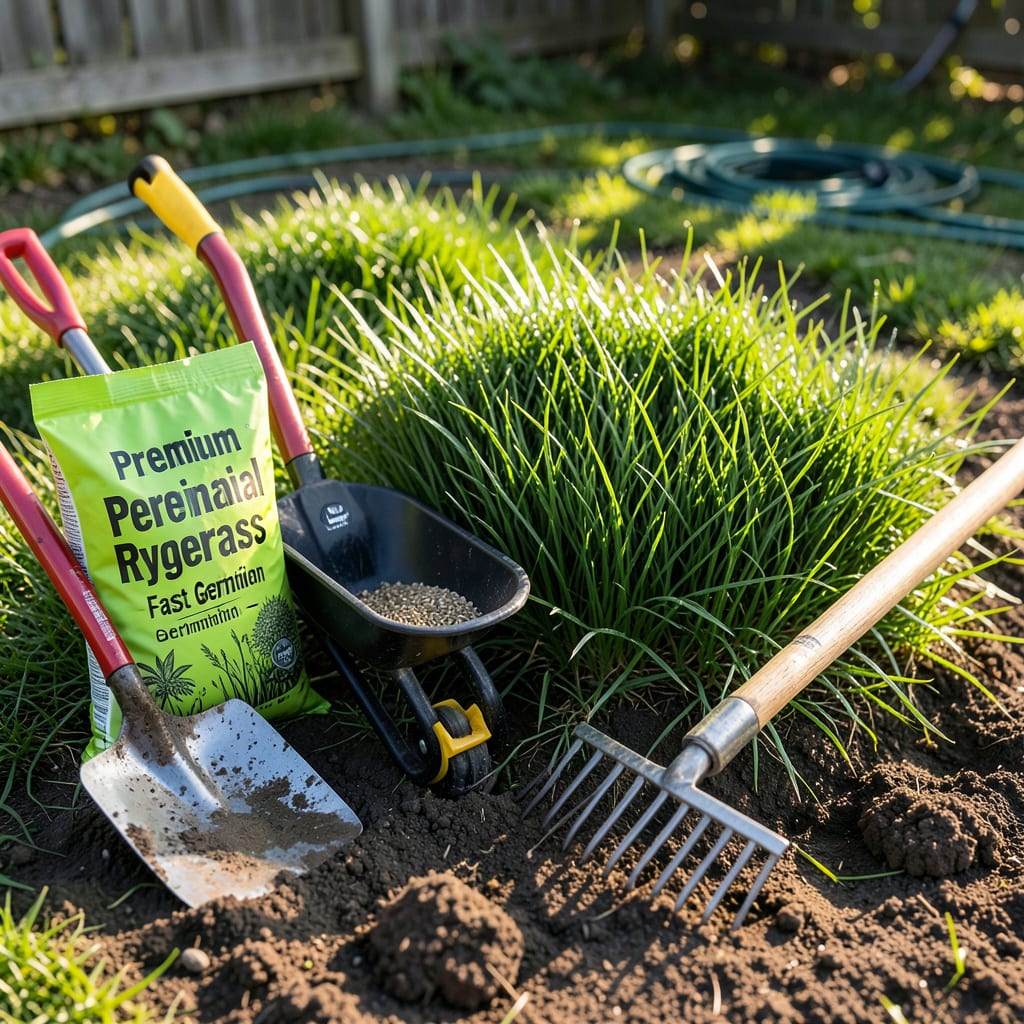
Timing your rye grass planting in North Carolina can mean the difference between a patchy, struggling lawn and a lush, winter-ready carpet of green. I’ve seen too many homeowners waste seed and effort by planting at the wrong moment—either too early for summer’s heat or too late for frost to take hold.
After years of testing and refining, I’ve nailed down the perfect fall window for zones 7b-8a. Whether you’re in the Piedmont or near the coast, I’ll show you exactly when to plant 🌱 Rye Grass so it thrives—not just survives—through winter. Let’s get your timing right.
If you’re dreaming of a lush, green lawn that stays vibrant through North Carolina’s winters, timing your rye grass planting is everything. Plant too early, and summer heat will fry those tender seedlings. Wait too long, and winter frost will stunt growth before roots establish. The sweet spot? Early September to mid-October for most of the state.
But here’s the catch—North Carolina isn’t one-size-fits-all. Our three distinct climate zones (Coastal Plain, Piedmont, and Mountains) each have their own rhythms. Coastal areas can push planting into late October, while mountain gardeners need to wrap up by early October. Soil temperature is your best guide: aim for 50–65°F at a 2-inch depth.
*Soil temps measured at 2-inch depth. Use a soil thermometer for accuracy.
In the Coastal Plain, where winters are milder, you’ve got a longer window—sometimes stretching into early November if the weather cooperates. But don’t push it! I’ve seen late plantings struggle when an unexpected cold snap hits. For the Piedmont, mid-September to mid-October is your goldilocks zone. This region’s frost dates are less predictable, so keep an eye on the forecast.
Mountain gardeners, listen up: your shorter growing season means you need to plant earlier. I recommend sowing by October 1 at the latest. Higher elevations can see frost as early as late September, so aim for late August to late September for best results. A soil thermometer is your best friend here—don’t guess!
Pro tip: Check the 10-day forecast before planting. If nighttime temps are dipping below 50°F, your rye grass seeds will germinate slower. Ideally, you want consistent daytime temps in the 60s and 70s. This ensures quick germination (usually 5–10 days) and strong root development before winter.
What if you miss the fall window? Spring planting is possible, but it’s a gamble. Rye grass thrives in cool weather, so spring-sown lawns often burn out by summer. If you must plant in spring, do it early—late February to March—and be prepared to overseed with warm-season grass later.
For those overseeding a warm-season lawn (like Bermuda or Zoysia), timing shifts slightly. You’ll want to plant rye grass 4–6 weeks before your warm-season grass goes dormant. In the Piedmont, that’s typically mid-September. This gives the rye grass time to establish without competing with the existing turf.
Still unsure? Here’s my foolproof rule: Plant when nighttime temps consistently drop below 60°F but stay above 40°F. This usually aligns with when maple leaves start turning—Nature’s own planting calendar! And remember, rye grass germinates fastest when soil is moist but not soggy.
One last thing: soil prep matters. Test your soil’s pH—rye grass prefers 6.0–7.0. If it’s too acidic, add lime a few weeks before planting. Loosen the top 2–3 inches of soil, remove debris, and consider a starter fertilizer (like 10-10-10) to give your seeds a boost. Trust me, your lawn will thank you come winter!
Now grab your seeds and get planting—your winter-green lawn awaits! 🌱
Even with perfect timing, small mistakes can sabotage your rye grass lawn before it gets started. I’ve seen gardeners waste seed, time, and money on avoidable errors—like planting too shallow or drowning seedlings. The good news? These pitfalls are easy to fix once you know what to watch for.
First up: seed depth. Rye grass seeds need light to germinate, so never bury them more than ¼ inch deep. I use a lightweight rake to gently press seeds into the soil, then top with a thin layer of compost or peat moss to hold moisture. Too deep, and they’ll rot. Too shallow, and birds will feast.
Watering mistakes are another big one. Many folks either drown their seeds or let them dry out. Here’s my rule: Water lightly daily until germination (about 7–10 days), then shift to deep watering 1–2 times weekly. Morning watering is best—it reduces fungal diseases like dollar spot.
Don’t overlook seed quality! Cheap rye grass seed often has weed contaminants or low germination rates. I always check the label for >85% pure seed and <0.5% weed content. For NC lawns, I recommend ‘Gulf’ annual ryegrass or ‘Marshall’ perennial ryegrass—both thrive in our climate.
Here’s a mistake I see often: planting over warm-season grass too early. If you’re overseeding Bermuda or Zoysia, wait until it’s fully dormant (when it turns brown). Planting too soon means competition for water and nutrients. In the Piedmont, that’s usually mid-to-late September.
Finally, skip the straw mulch—it can smother seedlings. Instead, use a light layer of compost or peat moss to retain moisture. And don’t mow until your grass reaches 3–4 inches tall; cutting too early stresses young plants. Follow these fixes, and you’ll sidestep 90% of rye grass failures in NC!
Your lawn’s success starts with avoiding these traps. Now go plant with confidence—your winter-green oasis is just weeks away! 🌿
Choosing between rye grass and fescue for your North Carolina lawn? Both offer winter greenery, but they serve different purposes. I’ve tested both in my own yard, and the winner depends on your goals. Need a temporary green carpet? Rye grass is your guy. Want year-round turf? Fescue takes the crown.
Annual rye grass germinates in just 5–7 days and establishes quickly, making it perfect for overseeding warm-season lawns. It thrives in NC’s cool fall temps but dies off by summer. Perennial rye grass lasts longer (2–3 years) but struggles in our hot summers. Fescue, meanwhile, is a permanent cool-season grass that stays green year-round in most of NC.
*All varieties perform best in NC when planted in fall (Sept–Oct).
For overseeding Bermuda or Zoysia, annual rye grass is my top pick. It germinates fast, fills in bare spots, and dies naturally as your warm-season grass wakes up. I use ‘Gulf’ annual ryegrass—it’s disease-resistant and handles NC’s mild winters like a champ. Just remember: it’ll need reseeding every fall.
If you want a permanent cool-season lawn, tall fescue is the clear winner. Varieties like ‘Titan’ or ‘Kentucky 31’ stay green year-round in most of NC and handle our summer heat better than rye grass. The trade-off? Fescue requires more upkeep: aeration, thatching, and regular fertilizing to stay lush.
Perennial rye grass is the middle ground—it lasts longer than annual but won’t survive NC summers long-term. I’ve had success mixing it with fescue for a softer, finer-textured lawn. Try ‘Marshall’ perennial ryegrass for a durable, quick-establishing option that blends well with other grasses.
Here’s my quick decision guide: Choose annual rye for temporary winter color, perennial rye for a 2–3 year lawn, and fescue for a permanent solution. And no matter which you pick, fall planting (Sept–Oct) is key for NC success! 🌿
Planting before nighttime temps drop below 60°F risks heat stress. Seeds may germinate poorly or dry out quickly. Wait until September for most NC regions to avoid this issue.
Many NC gardeners blend it with tall fescue for winter coverage. Use a 50/50 mix for balance. Just ensure both types have similar water and sunlight needs.
With proper conditions (moist soil, 60–70°F temps), you’ll typically see germination in 5–10 days. Keep soil consistently damp but not soggy during this period.
Spring planting is risky in NC—rye grass struggles in summer heat. If you must, plant by early March and expect to reseed in fall. Fall remains the ideal season for long-term success.
