
Beautiful Plants For Your Interior
Beautiful Plants For Your Interior
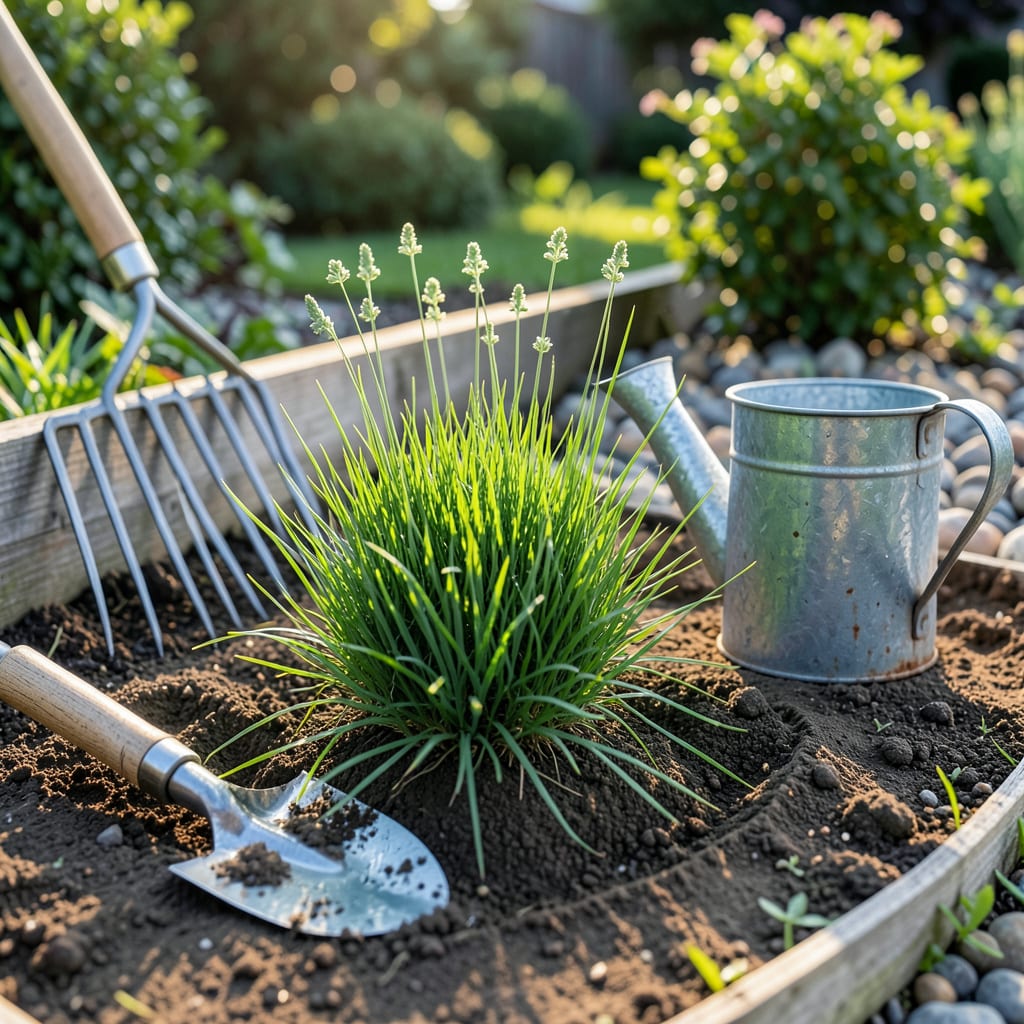
Florida’s unpredictable winters can turn your lawn dreams into a patchy nightmare—unless you nail the timing. Planting rye grass here isn’t like up north; miss the window, and you’ll battle thin turf or wasted seed.
I’ve dug into the data (and dirt) to pinpoint the exact months for Zone 9 success. Whether you’re in Jacksonville or Miami, I’ll show you how to sync your planting with Florida’s quirky climate—so your lawn stays lush when others fade.
If you’ve ever struggled with a patchy winter lawn in Florida, you know timing is everything. Rye grass thrives when planted during the cool-season window, but Florida’s climate isn’t one-size-fits-all. The key is hitting that sweet spot when soil temps drop to 60–65°F—too early, and seeds fry; too late, and frost risks stunting growth.
Here’s the kicker: Florida’s three distinct regions (North, Central, South) each have their own microclimates. Coastal areas stay warmer longer, while inland zones may dip earlier. I’ll break down the exact months for your area, plus how to use tools like the Florida Automated Weather Network (FAWN) to nail your timing.
| Region | Ideal Planting Months | Soil Temp Threshold | Frost Risk | Notes |
|---|---|---|---|---|
| North Florida | Early Oct–Mid-Nov | 60–65°F | Moderate | Plant earlier inland; delay 1–2 weeks near coast. |
| Central Florida | Mid-Oct–Late Nov | 62–68°F | Low | Orlando/Tampa: Watch for late heatwaves. |
| South Florida | Late Oct–Early Dec | 65–70°F | Minimal | Miami/Ft. Lauderdale: Can plant as late as Dec 15. |
Pro Tip: Use a FAWN station to monitor local soil temps in real-time.
In North Florida, aim for October 1–15 to beat the first frost, which can arrive as early as November 15 in Gainesville or Tallahassee. I’ve seen gardeners lose entire lawns by planting in late September—soil temps above 70°F prevent germination, and seeds just rot.
Central Florida (Orlando, Tampa) gets a 2-week buffer. Here, October 15–November 1 is prime time. The trick? Wait until nighttime temps consistently dip below 70°F. Use a soil thermometer—$10 at any garden center—to avoid guessing.
Down in South Florida, you’ve got until early December, but don’t push it. Miami’s humidity can trigger fungal diseases if seeds sit too long in warm, wet soil. I recommend November 1–15 for the best balance of cool temps and daylight.
Coastal areas—like Jacksonville or Naples—often stay 5–10°F warmer than inland. If you’re near the ocean, delay planting by 7–10 days compared to the table above. Conversely, inland zones (Ocala, Lakeland) cool faster, so plant on the earlier side.
Here’s a mistake I see all the time: planting after a cold snap. A sudden drop to 50°F might seem perfect, but rye grass needs consistent cool temps to establish. One freeze won’t do it—wait for a 10-day forecast with highs in the 70s°F and lows in the 50s°F.
If you’re overseeding Bermuda or St. Augustine, scalp your lawn first (mow to 1 inch) to let sunlight reach the rye seeds. Then, apply 8–10 lbs of seed per 1,000 sq ft. Water lightly twice daily for the first week—just enough to keep the top inch moist, not soggy.
Still unsure? Call your local UF/IFAS Extension office. They’ve got hyper-local data and can confirm if your area’s running warm or cool this year. Trust me, a 5-minute call saves weeks of frustration later. 🌱
Now that you know when to plant, let’s tackle the how-to for Florida’s tricky conditions. Rye grass isn’t just about timing—it’s about prep, seeding, and post-care tailored to our sandy soil and humidity. Skip these steps, and you’ll end up with bare spots or weak turf.
First, scalp your existing lawn to 1 inch tall—this lets sunlight hit the soil and seeds. Then, rake away debris to create a clean seedbed. Florida’s sandy soil drains fast, so I recommend mixing in 1–2 inches of compost to hold moisture and nutrients.
Pro Tip: For overseeding, mow your warm-season grass (Bermuda, St. Augustine) low first to reduce competition.
Watering is where most Florida gardeners mess up. Light, frequent misting is key for the first week—think 5–10 minutes per session, twice daily. After germination (usually 7–14 days), shift to deep watering (½ inch) every 2–3 days.
Watch for fungal diseases—Florida’s humidity is a breeding ground. If you see gray or white patches, cut back on water and apply a fungicide labeled for rye grass. I like biofungicides (like Bacillus subtilis) for organic lawns.
Mow your rye grass when it reaches 3–4 inches tall, but never remove more than ⅓ of the blade at once. Use a sharp mower blade to avoid tearing. For winter color, keep it at 2 inches; for durability, let it grow to 2.5–3 inches.
Finally, avoid heavy foot traffic for the first 3–4 weeks. New rye grass roots are shallow and easily damaged. If you’ve got kids or pets, consider temporary pathways with stepping stones or mulch until the lawn establishes.
Still seeing thin spots? Overseeding with an extra 2–3 lbs of seed per 1,000 sq ft after 3 weeks can fill gaps. Just be sure to water deeply afterward to help seeds settle. 🌱
Rye grass is the go-to for Florida’s winter lawns, but it’s not your only option. If you’re tired of patchy results or want lower maintenance, it’s worth comparing alternatives like fescue, bluegrass, or clover. Each has pros and cons for Florida’s humidity, sand, and temperature swings.
I’ve tested all four in my own lawn, and the differences are striking. Annual rye gives fast green-up but dies by spring, while perennial rye lasts longer but struggles in South Florida’s heat. Meanwhile, fescue handles shade better, and clover fixes nitrogen—cutting fertilizer costs. Let’s break it down.
| Grass Type | Drought Tolerance | Shade Performance | Maintenance Level | Cost (per 1,000 sq ft) | Best For |
|---|---|---|---|---|---|
| Annual Rye | Low 💧 | Poor ☀️ | High ✂️ | $50–$70 | Fast winter color, overseeding |
| Perennial Rye | Moderate 💧 | Fair ☀️ | Medium ✂️ | $70–$90 | Longer-lasting, North/Central FL |
| Tall Fescue | High 💧 | Excellent 🌳 | Medium ✂️ | $80–$100 | Shady yards, durable turf |
| Kentucky Bluegrass | Low 💧 | Good 🌳 | Very High ✂️ | $100–$120 | Cool climates (struggles in FL) |
| White Clover | Moderate 💧 | Excellent 🌳 | Low ✂️ | $30–$50 | Low-maintenance, pollinator-friendly |
Note: Costs are for seed only; sod prices are 3–5x higher.
Tall fescue is my top pick for shady Florida lawns. It handles partial sun better than rye and stays green longer into spring. The catch? It’s not as heat-tolerant as warm-season grasses, so it’ll thin out by summer. For mixed sun/shade yards, I blend 70% fescue + 30% rye for balance.
White clover is the dark horse. It’s drought-resistant, fixes nitrogen (cutting fertilizer needs by 30–50%), and attracts pollinators. The downside? It’s not a “traditional” lawn look, and some HOAs ban it. If you’re okay with a cottage-core vibe, it’s the lowest-maintenance option.
Avoid Kentucky bluegrass in Florida—it’s a water hog and wilts in our heat. I’ve seen it turn crispy by March in Central Florida. If you’re set on a bluegrass look, try thermal blue (a heat-tolerant hybrid), but expect to babysit it with extra water and fungicides.
For overseeding warm-season grasses (like Bermuda or St. Augustine), annual rye is still king. It germinates in 5–7 days and provides instant winter color. Just remember: it’ll die out by May, so you’ll need to reseed next fall. If you want year-round green, mix perennial rye with your warm-season grass for a smoother transition.
Rye grass thrives when soil temps hit 60–65°F. In Florida, this typically happens between October and November, but coastal areas may run warmer. Use a soil thermometer to check—it’s the surest way to avoid guessing.
In South Florida, you can plant as late as early December, but North and Central regions risk poor germination. Aim for November 15 as your cutoff to ensure roots establish before winter slows growth.
Uneven growth often stems from inconsistent watering or poor seed distribution. Use a broadcast spreader for even coverage, and water lightly twice daily for the first week. Overlapping passes by 50% ensures no spots are missed.
Yes, rye grass is non-toxic to dogs and cats once established. However, avoid heavy foot traffic for the first 3–4 weeks while roots develop. If pets dig or urinate frequently, consider temporary barriers or pathways.
A 16-4-8 starter fertilizer works best at planting. Follow up with a balanced feed (like 10-10-10) every 4–6 weeks. Florida’s sandy soil leaches nutrients fast, so slow-release granules help maintain steady growth.
