
Beautiful Plants For Your Interior
Beautiful Plants For Your Interior
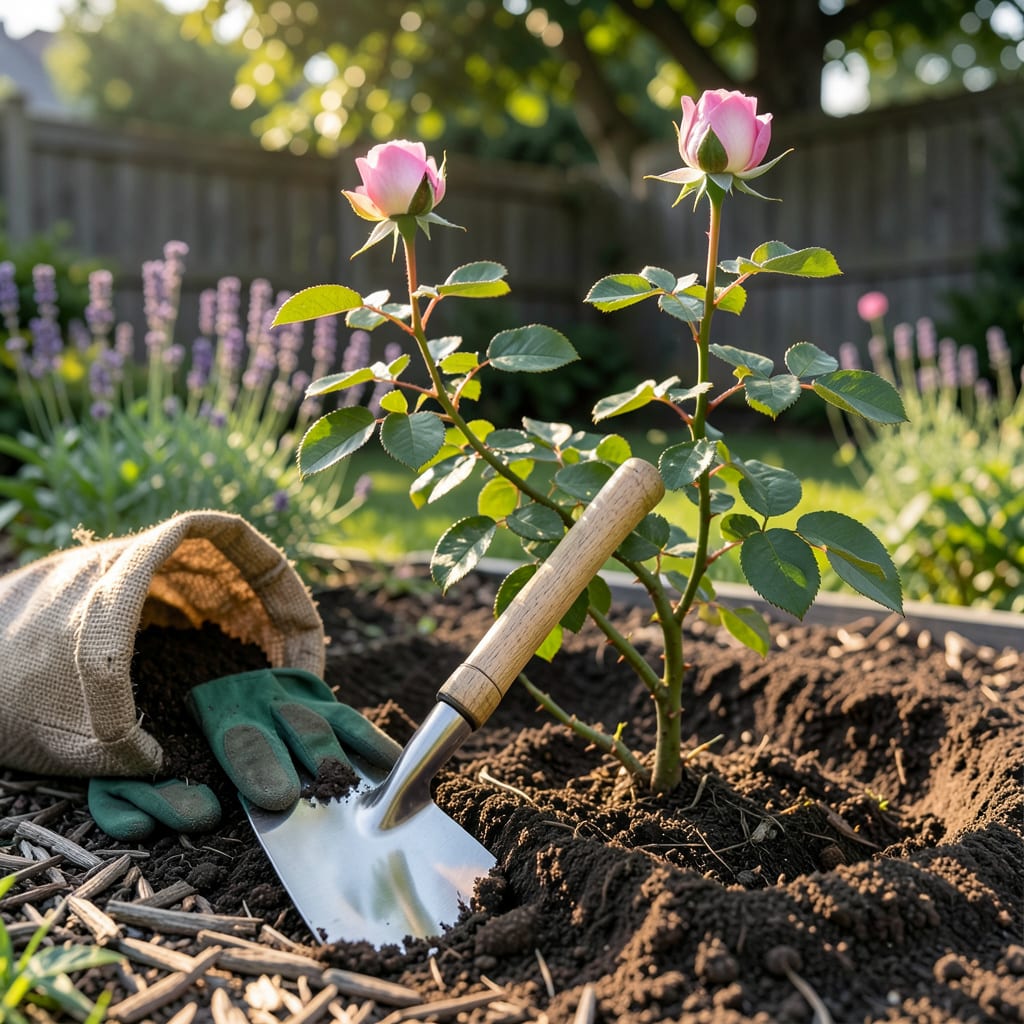
Timing can make or break your 🌹 Rose garden in Zone 7—plant too soon, and late frosts might sabotage your efforts. Wait too long, and summer’s scorching heat could stress your bushes before they even take root.
But here’s the good news: I’ve cracked the code for perfect planting windows in our climate. Whether you’re working with bare-root or container roses, I’ll show you exactly when to dig in for blooms that’ll stop neighbors in their tracks. Let’s get your garden thriving.
If you’ve ever wondered why some rose bushes thrive while others struggle, the secret often lies in when they’re planted. In Zone 7, our mild winters and warm summers create two prime planting windows—early spring and fall—but timing is everything. Plant too early, and a surprise frost could wreak havoc. Wait too long, and summer heat may bake your roots before they establish.
I’ve found that bare-root roses do best in late winter or early spring, while container-grown roses can go in the ground almost any time except peak summer. The key? Watching soil temps and frost dates. Let’s break it down so you can plant with confidence. 🌹
| Season | Best Months | Rose Type | Pros | Cons |
|---|---|---|---|---|
| Early Spring | March–April | Bare-root | Cool soil, fewer pests | Risk of late frost |
| Late Spring | May | Container | Warmer soil, faster growth | Needs extra watering |
| Fall | October–November | Both types | Cooler temps, less stress | Must plant 6 weeks before frost |
*Soil temp should be 50–60°F for best results.
For bare-root roses, I always aim for late February to early March. This gives roots time to establish before summer heat hits. If you’re planting container roses, you’ve got more flexibility—just avoid the hottest months (June–August), when stress levels skyrocket for new plants.
Fall planting is my personal favorite. The cooler temps and consistent rainfall reduce transplant shock, and roots get a head start before winter dormancy. Just be sure to plant at least 6 weeks before the first frost (around October 15 in Zone 7) so roots can settle in.
If you miss the fall window, don’t panic! Early spring planting works too, but you’ll need to be vigilant about watering and mulching to protect against temperature swings. I like to add a 2–3 inch layer of mulch to insulate roots and retain moisture.
One thing I’ve learned the hard way: Soil temperature matters more than air temperature. Roses prefer soil around 60°F for planting. Use a soil thermometer or check local reports—if the ground feels warm to the touch, you’re good to go. Cold soil can shock roots and stunt growth.
For container roses, you can stretch the planting season into early May if you’re diligent about watering. These roses already have established root systems, so they handle stress better. Just avoid planting during heatwaves—wait for a mild, overcast day to reduce transplant shock.
Pro tip: If you’re planting climbing roses, give them extra time to establish before winter. I recommend early spring planting for these varieties so they can focus on root growth before putting energy into long canes. A little patience now means stunning vertical displays later! 🌿
Remember, Zone 7’s last frost date is around April 15, but microclimates vary. If you’re in a low-lying area, frost might linger longer. When in doubt, wait an extra week—it’s better to plant into warming soil than risk frost damage.
Getting your roses in the ground at the right time is only half the battle. In Zone 7, factors like soil temperature, frost dates, and even your garden’s microclimate can dramatically affect how well your roses establish. I’ve learned through trial and error that paying attention to these details separates thriving gardens from struggling ones. Let’s dive into what really matters. 🌱
First, soil temperature is your secret weapon. Roses prefer soil between 50–60°F for planting. Too cold, and roots go dormant; too hot, and they stress. I always check with a soil thermometer—it’s a game-changer for avoiding guesswork. If you don’t have one, dig a small hole and feel the soil: it should be cool but not cold to the touch.
Our frost dates in Zone 7 are another critical piece of the puzzle. The last spring frost typically hits around April 15, while the first fall frost arrives near October 15. For fall planting, I mark my calendar to get roses in the ground by early October. This gives roots a full 6 weeks to establish before frost. Spring plantings should wait until after April 15—unless you’re prepared to protect tender new growth from surprise frosts with row covers or mulch.
Don’t overlook your garden’s microclimates. A south-facing wall can create a warm pocket where roses thrive earlier in spring, while a low-lying area might stay cold and damp longer. I once lost a prized ‘Mister Lincoln’ rose by planting it in a frost pocket—I learned to observe how snow melts in different spots to identify microclimates. Areas that warm up first in spring are perfect for early planting, while cooler spots might need an extra week or two.
Soil drainage is non-negotiable for roses. Our Zone 7 clay soil can become a death trap if not amended. I always mix in compost or pine fines to improve drainage, or plant on a slight mound to prevent waterlogging. If you’re unsure about your soil, do the “squeeze test”: grab a handful of moist soil and squeeze. If it holds shape like putty, it’s too dense—amend it before planting. Roses in soggy soil develop root rot faster than you’d think. 💧
Finally, variety selection plays a huge role in success. Not all roses thrive equally in Zone 7’s heat and humidity. I’ve had the best luck with disease-resistant varieties like ‘Knock Out’, ‘Double Delight’, and ‘Earth-Kind’ roses. These cultivars handle our humid summers and mild winters without constant spraying. If you’re new to roses, start with these—you’ll spend less time fighting black spot and more time enjoying blooms.
Here’s a pro tip I wish I’d known sooner: Test your soil pH before planting. Roses prefer slightly acidic soil (pH 6.0–6.5). Our Zone 7 soil often trends neutral or alkaline. A simple soil test from your extension office will tell you if you need to amend with sulfur or pine needles. It’s a small step that makes a massive difference in bloom quality and plant health over time.
Even with perfect timing, small missteps can sabotage your roses before they’ve had a chance to shine. I’ve made my share of mistakes over the years—like planting too deep or ignoring our Zone 7 clay soil—and learned the hard way what not to do. Let’s save you the heartache by tackling these common pitfalls head-on. ✂️
One of the biggest errors I see is planting roses too deep. The bud union (that knobby part where the rose is grafted onto the rootstock) should sit 1–2 inches above soil level. Bury it, and you risk smothering the plant or encouraging disease. In Zone 7’s humid climate, this mistake can lead to crown rot faster than you’d think.
Fix it fast: If you’ve already planted too deep, gently excavate around the base to expose the bud union.
Another critical mistake is ignoring soil drainage, especially in Zone 7 where clay soil dominates. Roses hate wet feet, and our heavy soil can hold too much moisture after rain. I lost three ‘Hybrid Tea’ roses before realizing I needed to amend the soil with compost and perlite or plant on a slight mound. Now, I always do the \”drainage test\”: dig a 1-foot hole, fill it with water, and time how long it takes to drain. If it’s still standing after an hour, your soil needs help.
Choosing the wrong rose variety for our climate is another common stumble. Not all roses thrive in Zone 7’s humidity and heat. I’ve seen gardeners struggle with finicky tea roses that demand constant spraying for black spot and powdery mildew. Instead, I recommend starting with disease-resistant varieties like ‘Knock Out’, ‘Carefree Beauty’, or ‘Earth-Kind’ roses. These cultivars laugh at our summers and keep blooming with minimal fuss.
Skipping mulch is a mistake you’ll regret by mid-July. In Zone 7, our summers can swing from drought to downpour, and bare soil just can’t keep up. A 2–3 inch layer of mulch (I use shredded bark or pine fines) keeps roots cool, retains moisture, and suppresses weeds. Without it, you’ll be watering constantly and battling soil temperature swings that stress your roses. Plus, mulch breaks down over time, adding organic matter to our often-poor native soil.
Finally, overwatering is just as dangerous as underwatering. Roses need deep, infrequent watering—about 1–2 inches per week, delivered in 2–3 sessions. Too much water, especially in our humid climate, creates the perfect environment for fungal diseases. I water my roses at the base in the early morning so foliage dries quickly. If you’re unsure, stick your finger 2 inches into the soil: if it’s damp, wait to water. 🌿
Fall planting often gives roses a head start before winter dormancy. The cooler temps and consistent rainfall reduce transplant shock, allowing roots to establish without summer heat stress. Just plant at least 6 weeks before the first frost (around October 15 in Zone 7).
It’s risky but possible if you’re diligent. Avoid heatwaves and plant on mild, overcast days. Container roses handle stress better than bare-root, but you’ll need to water daily for the first 2 weeks. Early morning planting helps reduce shock.
Use a soil thermometer at 4-inch depth—roses prefer 50–60°F. No thermometer? Dig a small hole and feel the soil: it should be cool but not cold. Cold soil can shock roots, while overly warm soil stresses new plants.
Planting too deep is the top error. The bud union (where the rose is grafted) should sit 1–2 inches above soil. Burying it invites rot and disease, especially in Zone 7’s humid climate. Always double-check depth before backfilling.
Opt for disease-resistant types like ‘Knock Out’, ‘Carefree Beauty’, or ‘Earth-Kind’ roses. These handle our humidity and heat without constant spraying. Avoid finicky tea roses—they struggle with black spot and powdery mildew here.
