
Beautiful Plants For Your Interior
Beautiful Plants For Your Interior
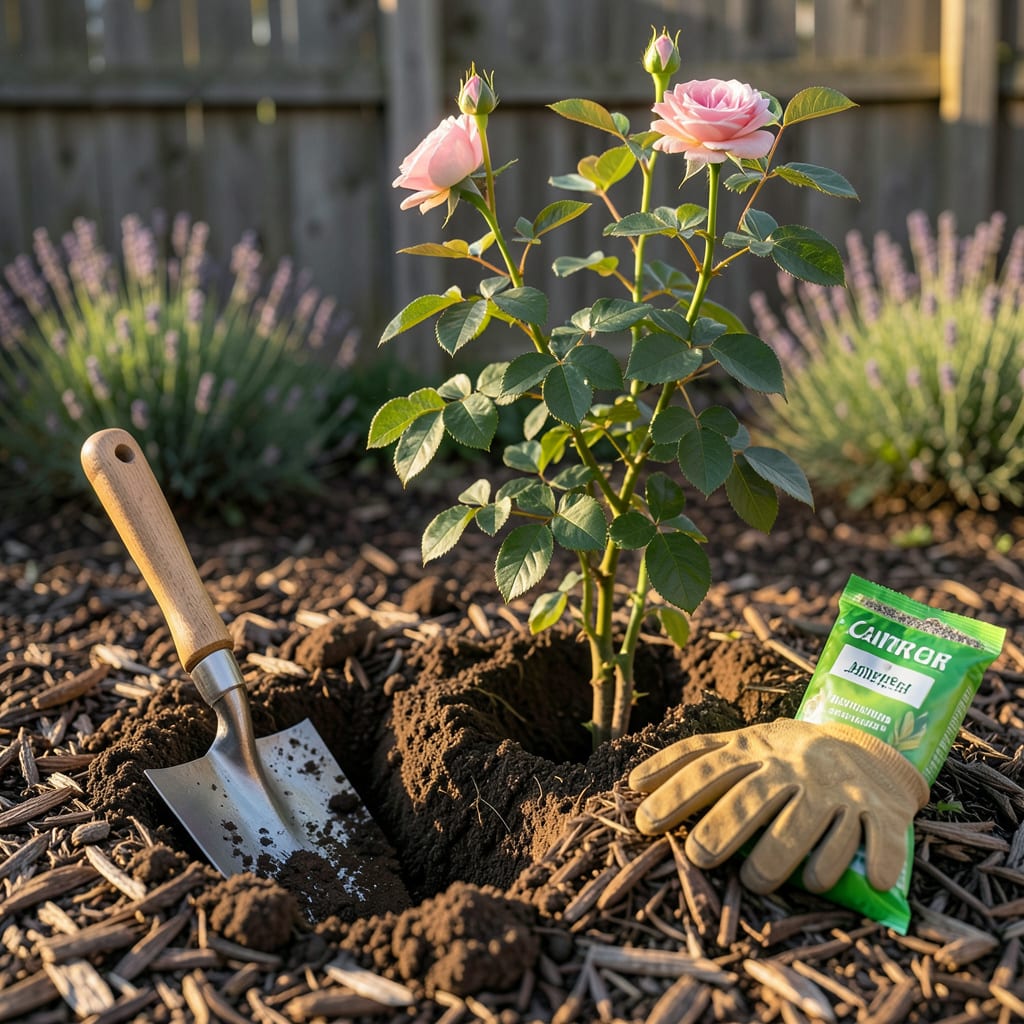
Timing isn’t just important when planting roses in Zone 6—it’s everything. Plant too early, and a surprise frost could wipe out tender roots. Wait too long, and summer’s heat might stress your bushes before they even get established.
But here’s the good news: I’ve cracked the code for both bare-root and potted roses in this climate. Whether you’re aiming for vibrant June blooms or setting up for next year’s success, nailing the right window makes all the difference. Let’s get your 🌹 roses thriving—without the guesswork.
Getting your roses planted at the right time in Zone 6 can make or break their success. Plant too early, and a late frost might damage tender roots. Wait too long, and summer heat could stress your bushes before they establish. The key is working with frost dates and soil temps.
In Zone 6, our last frost date typically falls between April 1–15, while the first frost arrives around October 15–30. These dates create two ideal planting windows: early spring (April–May) and early fall (September–October). Let’s break down the differences.
| Planting Type | Best Months (Zone 6) | Soil Temp Requirement | Key Benefits | Pre-Planting Prep |
|---|---|---|---|---|
| Bare-Root Roses | April or Sep–Oct | 50°F+ | More variety options, cost-effective | Soak roots 12–24 hrs before planting |
| Potted Roses | Apr–Jun | 60°F+ | Easier to plant, less shock | Water thoroughly day before planting |
For bare-root roses, I always recommend planting as soon as the ground is workable in early spring (April). This gives roots time to establish before summer heat. If you miss spring, early fall (September–October) works too—just plant at least 6 weeks before your first frost.
Potted roses offer more flexibility. You can plant them anytime from April through June, as long as you avoid extreme heat. The key advantage? Their established root systems handle transplant shock better than bare-root varieties.
For both types, prepare your soil first. Roses thrive in well-draining soil with a pH of 6.0–6.5. I mix in plenty of compost and a handful of bone meal for root development. A 2–3 inch mulch layer helps retain moisture and regulate soil temperature.
Watering is critical after planting. Give your roses a deep soak (1–2 gallons per plant) immediately after planting, then maintain consistent moisture for the first month. Morning watering helps prevent fungal diseases common in Zone 6’s humid summers.
If you’re planting in fall, add an extra layer of mulch (4–6 inches) before winter to protect roots. In spring, be ready to shield new plants if late frosts are forecasted—old blankets or frost cloth work well.
Remember, Knock Out roses and Dr. Huey rootstock varieties perform exceptionally well in Zone 6. For shadier spots, consider Zephirine Drouhin climbing roses—they tolerate partial shade better than most.
Finally, mark your calendar for post-planting care. The first 30 days are crucial for establishment. Check soil moisture daily, watch for pests, and remove any spent blooms to encourage more flowers. With proper timing and care, your roses will reward you with vibrant blooms from June through October! 🌹
Even with perfect timing, small errors can sabotage your Zone 6 roses. I’ve seen gardeners lose entire plants to preventable mistakes—like planting at the wrong depth or ignoring soil prep. Let’s tackle the five most common pitfalls so your roses thrive instead of struggle.
First up: planting depth. The bud union (that knobby part where roots meet stems) should sit 1–2 inches below soil in cold climates like Zone 6. Plant too shallow, and winter freeze-thaw cycles can damage the plant. Too deep, and you’ll smother the graft.
Roses need pH 6.0–6.5. Test your soil—Zone 6 often has alkaline clay. Amend with sulfur or pine needles if needed.
Bare soil = temperature swings. Apply 2–3 inches of organic mulch to retain moisture and protect roots from Zone 6’s freeze-thaw cycles.
New roses need 1–2 gallons weekly (deep soaks, not daily sprinkles). Use a moisture meter—Zone 6’s spring rains can be deceiving.
Fall planting? Finish by early October. Roots need 6 weeks to establish before first frost (typically Oct 15–30 in Zone 6).
Bare-root roses dry out fast in Zone 6’s spring winds. Use burlap screens or plant near fences until established.
Another critical error? Wrong fertilizer timing. I see gardeners fertilize at planting—big mistake! Wait until you see new growth (about 4–6 weeks). Use a balanced 10-10-10 in spring, then switch to low-nitrogen in fall to harden off plants for winter.
Don’t overlook microclimates either. That sunny south-facing wall might be Zone 7 while your north garden stays Zone 6. Adjust planting times accordingly—plant 1–2 weeks earlier in warmer microclimates, later in cooler spots.
For container roses, failing to loosen roots before planting is a silent killer. Gently tease apart the root ball to encourage outward growth. This prevents circling roots that can eventually girdle and kill your rose.
Finally, watch for late spring frosts—common in Zone 6 until mid-April. Keep frost blankets handy for new plants. A single 28°F night can set back tender growth by weeks. With these precautions, your roses will reward you with months of blooms instead of disappointment. 🌷
Choosing the right rose varieties for Zone 6 can mean the difference between struggling plants and a garden bursting with color. I’ve tested dozens of varieties and found that Knock Out roses, Dr. Huey, and Iceberg consistently outperform others in our climate.
What makes these stand out? Knock Out roses are nearly disease-proof and bloom continuously from June until frost. Dr. Huey serves as excellent rootstock and produces vibrant red blooms. Iceberg offers pure white flowers and thrives even in partial shade conditions.
| Variety | Best For | Bloom Time | Sun Needs | Special Features |
|---|---|---|---|---|
| Knock Out | Borders, mass plantings | June–Frost | Full sun | Disease-resistant, self-cleaning |
| Dr. Huey | Rootstock, climbers | May–Oct | Full sun | Vigorous grower, red blooms |
| Iceberg | Partial shade | June–Frost | 6+ hours | Fragrant, white blooms |
| Zephirine Drouhin | Shade, fences | May–Sept | 4–6 hours | Thornless, pink blooms |
Zone 6’s microclimates can dramatically affect your roses. Urban areas with heat islands may run 1–2 zones warmer, allowing earlier planting. North-facing gardens often stay cooler, requiring later planting and extra winter protection.
For urban gardens, plant 1–2 weeks earlier than rural areas. The heat absorbed by pavement and buildings creates warmer soil temperatures. In shaded areas, choose varieties like Zephirine Drouhin that tolerate less sun.
Wind exposure is another critical factor. Bare-root roses need protection from Zone 6’s spring winds that can desiccate tender roots. I recommend planting near fences or walls or using temporary burlap windbreaks until plants establish.
Your 30-day post-planting
Both seasons work well, but fall planting often gives roses a head start. The cooler temps and consistent moisture help roots establish before winter. Spring planting is great too—just avoid late frosts by waiting until after April 15 in most of Zone 6.
Check two things: temperature and workability. Soil should be at least 50°F for bare-root roses, 60°F for potted. Squeeze a handful—if it crumbles easily (not muddy or rock-hard), it’s perfect for planting.
Planting too deep or too shallow! The bud union (where stems meet roots) should sit 1–2 inches below soil in Zone 6. Too deep smothers the plant; too shallow exposes it to frost damage during winter.
Only if you’re careful! Potted roses can go in through June, but avoid extreme heat. Water deeply daily for the first week, and provide afternoon shade if temps exceed 85°F.
Expect first flowers in 6–8 weeks for potted roses, 10–12 weeks for bare-root. Fall-planted roses may not bloom until next spring, but they’ll establish stronger root systems for future growth.
