
Beautiful Plants For Your Interior
Beautiful Plants For Your Interior
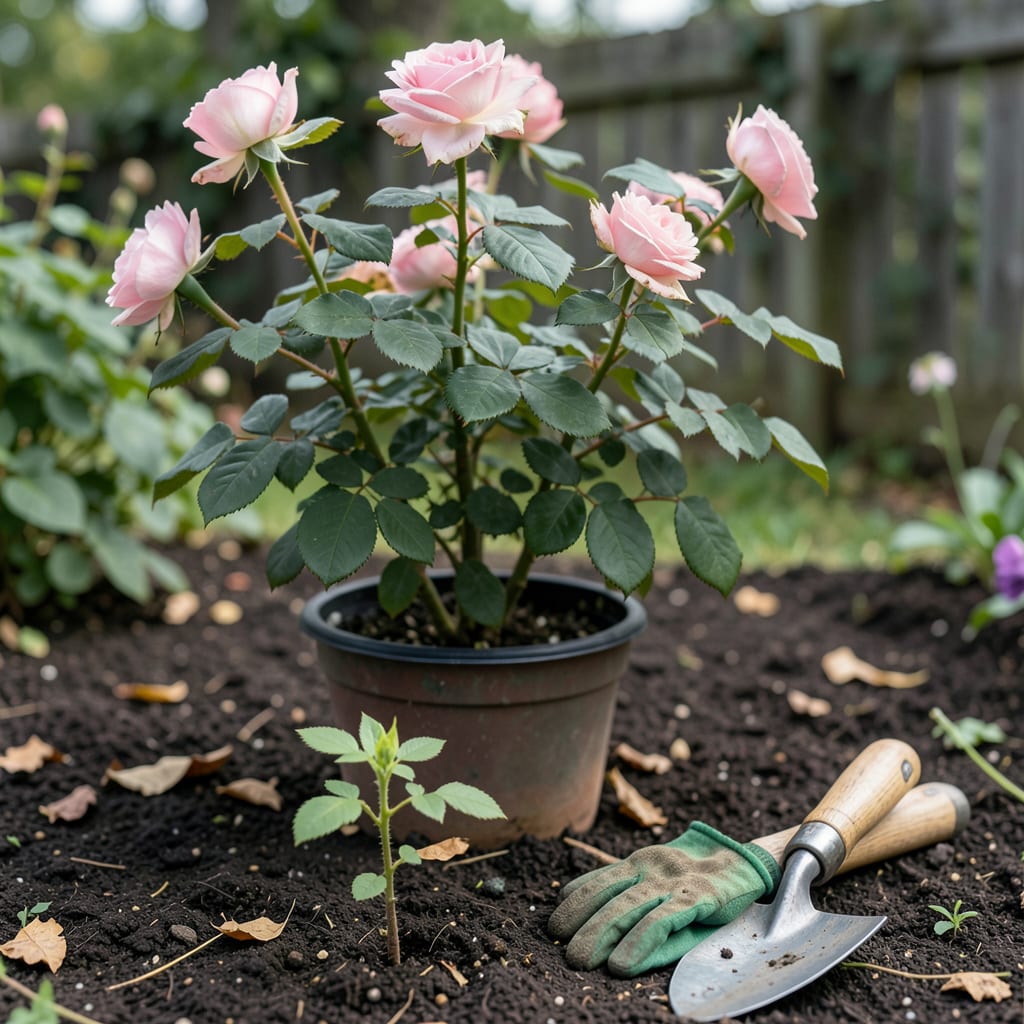
Planting 🌹 roses in Texas can be challenging, but with the right timing, you’ll be enjoying beautiful blooms in no time. The best time to plant depends on your location and the type of rose you’re growing.
In Texas, specifically in USDA Zone 8a, you can plant bare-root roses in late winter to early spring or container-grown roses in fall. This allows your 🌹 roses to establish themselves before the hot summer weather sets in.
Planting roses in Texas requires understanding the state’s diverse climate zones. The best planting time varies across North, Central, and Coastal regions. In general, Texas experiences hot summers and mild winters, with regional variations that affect rose planting.
The state’s climate ranges from humid subtropical in the east to semi-arid in the west. This diversity means that rose planting times must be adjusted accordingly. Let’s examine the optimal planting times for different Texas regions.
For North Texas, fall planting (October-November) is ideal as it allows roses to establish before winter. Early spring (February-March) is also suitable, giving plants time to develop before summer heat.
Central Texas benefits from late winter planting (February), avoiding the last frost, or fall planting (September-October), which gives roses a head start before winter.
Coastal Texas has a more moderate climate, making both fall (October-November) and early spring (February-March) suitable for planting roses.
The USDA Zone 8a designation for much of Texas means gardeners should be aware of the average frost dates: last frost around February 15 and first frost around November 15. 🌹
When choosing the best planting time, consider factors like soil temperature and moisture levels. Roses prefer well-draining soil and full sun (at least 6 hours of direct sunlight).
For Texas gardeners, understanding these regional variations is crucial for successful rose cultivation. By planting at the right time for your specific region, you’ll be setting your roses up for optimal growth and blooming.
Key considerations for Texas rose planting include:
By following these guidelines and understanding your local conditions, you’ll be well on your way to growing thriving, beautiful roses in Texas. The 270 frost-free days in Texas provide ample opportunity for rose cultivation when timed correctly.
Preparing the soil is a critical step in growing healthy roses in Texas. The state’s diverse soil types require specific preparation techniques to ensure optimal rose health. I’ll guide you through the essential steps to prepare your Texas soil for rose planting 🌿.
Texas soils vary from clay-heavy in some areas to sandy in others. Understanding your soil type is crucial for proper preparation. Most roses prefer well-draining soil with a pH between 6.0 and 6.5.
Test your soil pH and adjust it if necessary. Add organic matter like compost to improve soil structure and fertility.
To prepare your soil, start by testing its pH level. You can purchase a soil testing kit or consult a local nursery for guidance. Based on the results, you may need to add amendments to adjust the pH.
Key soil preparation steps for Texas rose planting include:
By following these soil preparation tips, you’ll create an optimal environment for your roses to thrive in Texas’s challenging climate.
Proper soil preparation is an investment in your rose garden’s future. With the right conditions, your roses will reward you with beautiful blooms and a healthy, vigorous growth habit 🌹.
After planting roses in Texas, proper aftercare is crucial for their establishment and long-term health. The state’s challenging climate requires careful attention to watering, fertilization, and pruning practices 🌹.
Watering is particularly important during the first year after planting. Roses need consistent moisture, especially during hot Texas summers. I recommend watering deeply once or twice a week, depending on weather conditions 💧.
Water deeply once or twice a week during the first growing season. Adjust based on rainfall and temperature.
Start fertilizing in early spring when new growth appears. Use a balanced fertilizer (10-10-10 NPK) every 4-6 weeks during the growing season.
Prune your roses in late winter or early spring before new growth begins. Remove dead, diseased, or crossing branches to promote healthy growth.
Key aftercare tips for Texas roses include maintaining a consistent watering schedule, providing appropriate fertilization, and performing regular pruning. These practices will help your roses establish a strong root system and promote vigorous growth 🌿.
During the first year after planting, monitor your roses closely for signs of stress or disease. Keep an eye out for pests like aphids and spider mites, and treat them promptly if necessary.
By following these post-planting care guidelines, you’ll be giving your Texas roses the best chance to thrive in the state’s challenging climate. With proper care, your roses will reward you with beautiful blooms and a healthy, vigorous growth habit 🌹.
Long-term care involves continuing the watering, fertilization, and pruning practices established in the first year. As your roses mature, you may need to adjust your care routine based on their specific needs and the local climate conditions.
In Texas, the ideal time to plant roses is in late winter to early spring or fall. For bare-root roses, plant in late winter to early spring, while container-grown roses can be planted in fall. This allows the plants to establish themselves before the hot summer weather.
Texas soils vary from clay-heavy to sandy, so it’s essential to test your soil pH and adjust it if necessary. Most roses prefer well-draining soil with a pH between 6.0 and 6.5. Add organic matter like compost to improve soil structure and fertility. This will help your roses thrive in Texas’s challenging climate.
Water your newly planted roses deeply once or twice a week during the first growing season, depending on weather conditions. Roses need consistent moisture, especially during hot Texas summers. Adjust your watering schedule based on rainfall and temperature to prevent overwatering.
Yes, start fertilizing your roses in early spring when new growth appears. Use a balanced fertilizer (10-10-10 NPK) every 4-6 weeks during the growing season. This will promote healthy growth and blooming. Continue fertilizing until the first frost, then stop until new growth begins again.
