
Beautiful Plants For Your Interior
Beautiful Plants For Your Interior
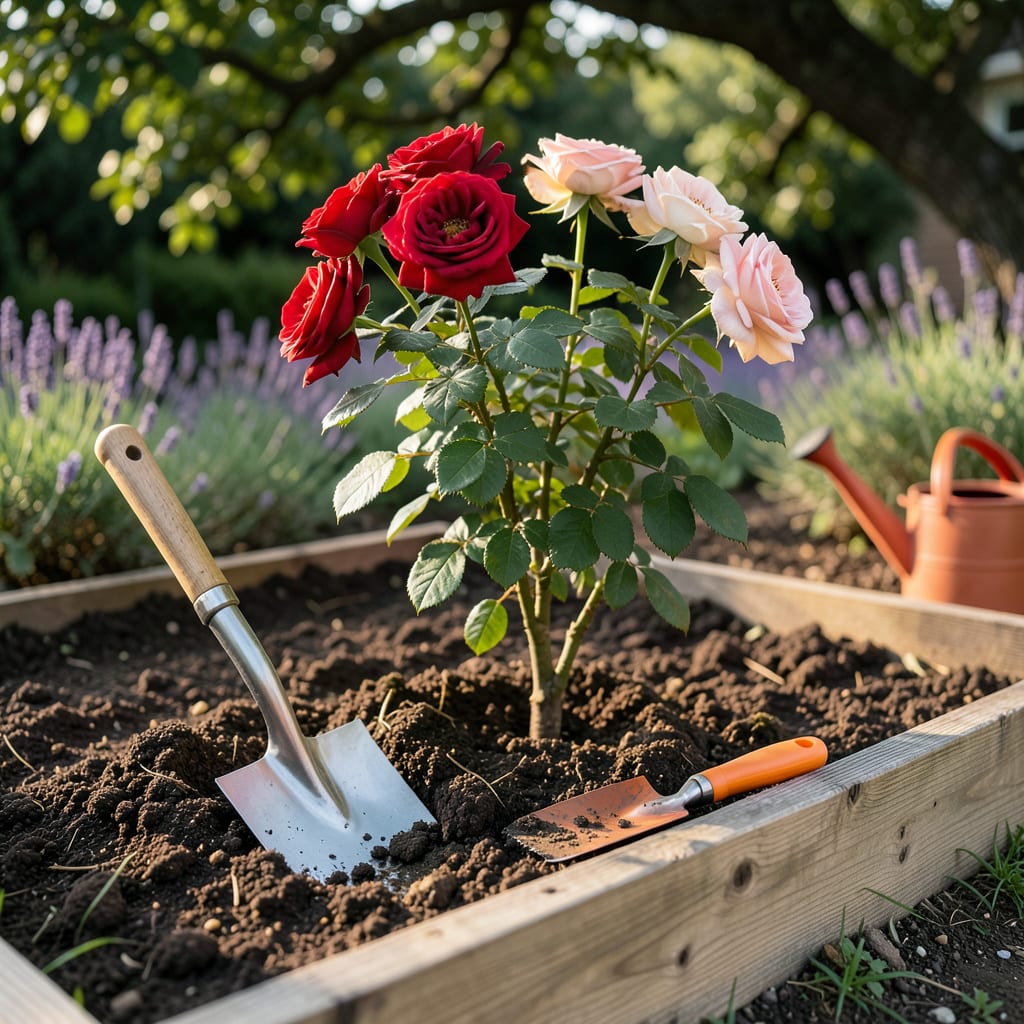
Timing your rose planting in Oregon can mean the difference between struggling shrubs and a garden bursting with vibrant blooms. Our state’s diverse climate—from misty coasts to high desert—demands precision.
I’ve helped dozens of gardeners avoid the heartbreak of frost-damaged roots or heat-stressed plants. Whether you’re in Portland’s valleys or Bend’s arid lands, I’ll break down the exact windows for bare-root vs. container roses so your 🌹 thrive from day one.
If you’re wondering when to plant roses in Oregon, the answer depends on where you live. Oregon’s diverse climate—from the coastal mist to the high desert—means planting times vary. Generally, bare-root roses thrive when planted in late winter, while container roses do best in early spring or fall. 🌹
The key is matching your USDA hardiness zone to the right window. Coastal areas (Zone 9) can plant earlier than inland valleys (Zone 7-8), where late frosts linger. Avoid summer planting—heat stress weakens new roots. Let’s break it down by region.
| Region | USDA Zone | Bare-Root Roses | Container Roses |
|---|---|---|---|
| Coastal (Astoria, Newport) | 8-9 | Jan-Feb | Mar-Apr, Sep-Oct |
| Willamette Valley (Portland, Salem) | 7b-8b | Feb-Mar | Apr, Sep-Oct |
| High Desert (Bend, Redmond) | 6b-7a | Mar-Apr | May, Sep |
*Avoid planting during summer heat or when soil is frozen.
In the Willamette Valley, I recommend planting bare-root roses in February—just before the last frost (around April 15). This gives roots time to establish before summer. For container roses, wait until April when soil warms to 50°F. 🌱
Coastal gardeners have a longer window thanks to milder winters. You can plant bare-root roses as early as January, but watch for heavy rains that may waterlog soil. In high desert areas, delay until March or April—late frosts are common, and dry winds stress new plants.
Fall planting (September-October) works well statewide, but stop by October 15 in colder zones. This ensures roots grow before first frost. I’ve found ‘Knock Out’ roses and ‘Iceberg’ climbers adapt well to Oregon’s wet springs and dry summers. ✂️
For Portland-area gardens, focus on disease-resistant varieties like ‘Double Delight’ or ‘Sunset Celebration’. These handle spring rains and humidity better than older hybrids. In Bend’s arid climate, opt for drought-tolerant roses like ‘The Fairy’ or ‘Flower Carpet’. 💧
Pro tip: Test your soil pH before planting—Oregon soils often lean acidic (pH 5.5-6.5). Amend with lime if needed, and mix in compost to improve drainage. This is especially critical in clay-heavy areas like the valley. 🌿
If you’re planting climbing roses, position them near a south-facing wall for warmth. In hot inland zones, provide afternoon shade to prevent petal scorch. Remember, morning sun is ideal—it dries dew quickly, reducing black spot fungus risk. ☀️
Finally, mulch heavily after planting—2-3 inches of wood chips or straw conserves moisture and suppresses weeds. In windy areas (like the Gorge), use burlap wraps to shield new plants until established. 🪴
Planting roses in Oregon isn’t just about timing—it’s about preparing the soil and choosing the right varieties for our unique climate. I’ve seen gardeners struggle with waterlogged roots in the Willamette Valley and sun-scorched petals in Central Oregon. Let’s fix that. 🌹
Start by testing your soil. Oregon’s native soil ranges from clay-heavy in the valleys to sandy in the coasts. Use a pH test kit—roses thrive in slightly acidic soil (6.0-6.5). If your soil is too acidic, add garden lime; if it’s alkaline, mix in sulfur or peat moss. 🌱
For bare-root roses, soak the roots in lukewarm water for 12-24 hours before planting. This rehydrates them after shipping. Trim any broken or mushy roots with clean pruning shears to encourage healthy growth. ✂️
If you’re planting container roses, gently loosen the root ball before placing it in the hole. This prevents circling roots, which can strangle the plant later. In hot inland areas like Bend, plant in early morning or late afternoon to avoid heat stress. ☀️
After planting, prune any weak or crossing canes to shape the bush and improve airflow. This reduces the risk of powdery mildew, a common issue in Oregon’s humid coastal areas. For climbing roses, position the canes horizontally along a trellis to encourage more blooms.
Finally, monitor moisture levels closely for the first month. Oregon’s spring rains can be unpredictable—overwatering is just as harmful as underwatering. Stick your finger 2 inches into the soil; if it’s dry, it’s time to water. In drought-prone areas, consider a drip irrigation system for consistent moisture. 💧
For ongoing care, fertilize lightly in early spring with a balanced 10-10-10 fertilizer. Avoid high-nitrogen feeds after July 15—this helps roses harden off for winter. In fall, apply a layer of compost around the base to insulate roots from early frosts. 🪴
Even with perfect timing, small errors can sabotage your roses in Oregon’s finicky climate. I’ve watched gardeners lose plants to preventable mistakes—like ignoring drainage or choosing the wrong variety. Let’s fix these before you dig. 🌹
The biggest blunder? Planting too deep in Oregon’s heavy clay soils. The bud union (that knobby base) should sit 1-2 inches below soil in cold zones (6-7) but at soil level in warmer areas (8-9). Bury it too deep, and your rose will suffocate. 🌱
Another common issue? Overlooking microclimates. A south-facing Portland yard might be Zone 8b, but a shady corner acts like Zone 7. Always check sun exposure and wind patterns before planting. ✂️
I’ve seen gardeners in Bend’s high desert drown their roses trying to combat the heat. Remember: deep, infrequent watering (1-2 gallons weekly) beats daily sprinkles. Use a soaker hose to keep leaves dry and prevent powdery mildew. 💧
Finally, never skip mulch in Oregon. Our unpredictable weather—drenching rains followed by drought—stresses roots. Apply 2-3 inches of wood chips to regulate moisture. In windy areas (like the Columbia Gorge), add a burlap windbreak for the first year. 🪴
Bare-root roses are dormant plants sold without soil, ideal for late winter planting (Feb-Mar). They establish roots quickly but need soaking before planting. Container roses come in pots, ready to plant spring or fall, and handle transplant shock better.
It’s risky! Summer heat stresses new plants, especially in inland zones where temps hit 90°F+. If you must, plant early morning, water deeply daily, and use shade cloth. Coastal areas with cooler summers have slightly more flexibility.
Amend clay soil with compost to improve drainage, and plant on a slight mound. Use 2-3 inches of mulch to prevent splashing soil onto leaves, which spreads fungus. In windy areas, add a burlap windbreak until plants establish.
Disease-resistant types like ‘Knock Out’, ‘Iceberg’, and ‘Sunset Celebration’ handle our wet springs and dry summers. For high desert, try drought-tolerant ‘The Fairy’ or ‘Flower Carpet’. Always check for black spot resistance.
