
Beautiful Plants For Your Interior
Beautiful Plants For Your Interior
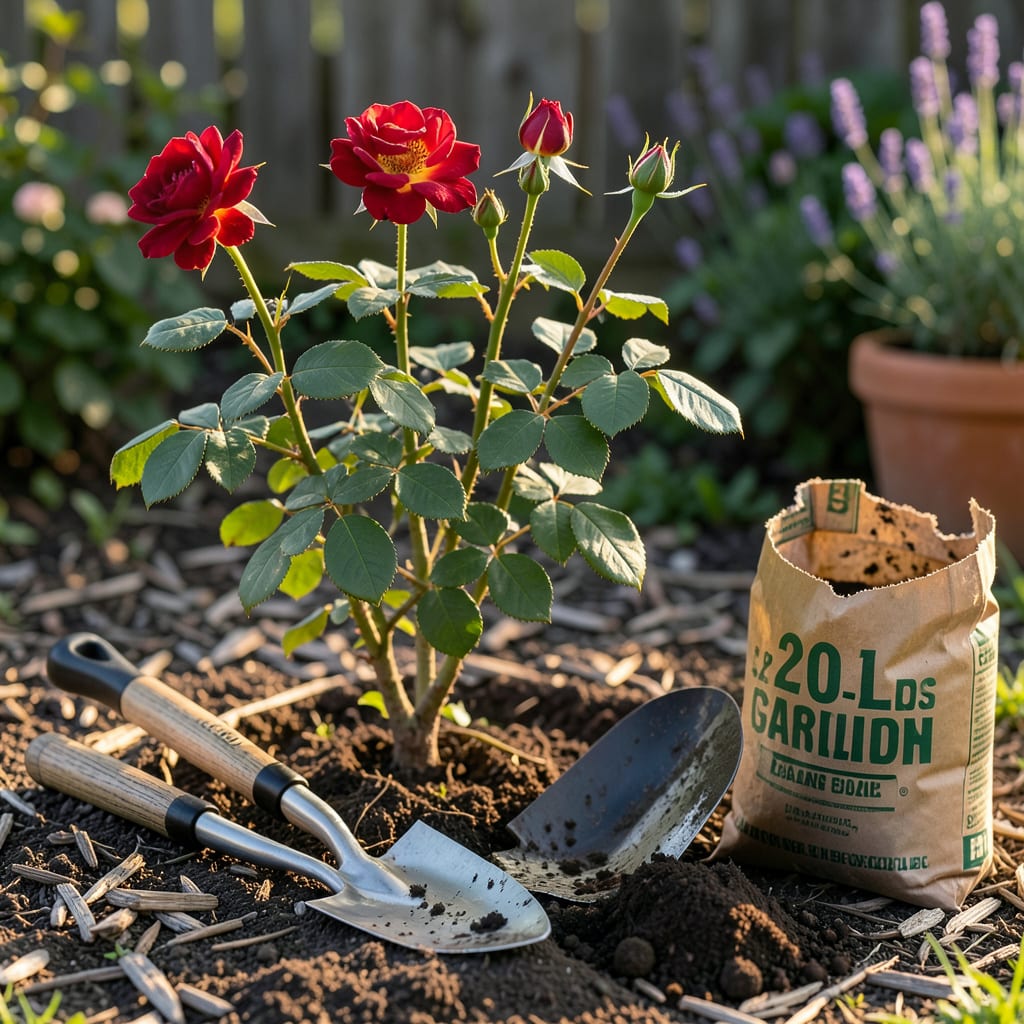
Oklahoma’s wild weather swings can turn rose planting into a gamble—plant too soon, and a late frost might wipe out your 🌹 roses before they even start. Too late, and the summer sun could scorch their chances of thriving.
After years of testing what works (and what doesn’t) in Zones 6b-8a, I’ve nailed down the perfect windows for bare-root and potted roses. Whether you’re in Tulsa or Lawton, I’ll show you how to time it right for blooms that’ll make your neighbors jealous.
If you’re dreaming of a yard bursting with vibrant roses, Oklahoma’s climate offers two prime planting windows—but timing is everything. The Sooner State’s unpredictable swings from late frosts to scorching summers mean your roses need a strategic start.
I’ve found that bare-root roses thrive when planted in late winter (February to early March), while container-grown roses do best in early spring or fall. The key? Watch those soil temperatures—aim for 50–60°F for happy roots. 🌡️
| Rose Type | Best Planting Months | Soil Temp | Zone Notes |
|---|---|---|---|
| Bare-Root | Feb–Mar | 50–55°F | Plant 4–6 weeks before last frost (April 15) |
| Container-Grown | Apr, Sep–Oct | 55–60°F | Avoid summer heat; fall planting ideal in Zone 7 |
| Climbing Roses | Mar–Apr, Oct | 55°F+ | Need extra trellis support in windy OK areas |
| Miniature Roses | Apr, Sep | 50°F+ | Great for urban gardens; protect from wind |
For northern Oklahoma (Zone 6b), I recommend sticking to the earlier side of these windows—think late February for bare-root roses. The soil warms slower up north, and you’ll want roots established before summer’s heat hits.
Down in southern Oklahoma (Zone 8a), you’ve got more flexibility. I’ve seen gardeners plant container roses as late as early May with success, but fall planting (September–October) often yields stronger bushes. The milder winters there give roots extra time to settle in. 🌿
Here’s a pro tip: Check your local frost dates. Oklahoma’s last frost ranges from mid-March in the south to mid-April in the panhandle. I always use the Oklahoma Mesonet website for hyper-local data—it’s a game-changer for timing.
If you’re planting in spring, get those roses in the ground before April 15 to avoid heat stress. For fall planting, aim for at least 6 weeks before the first frost (around October 20) so roots can establish before winter.
Don’t forget about soil prep! Oklahoma’s clay-heavy soil can be tough on roses. I mix in 3 inches of compost and a handful of gypsum to improve drainage. Trust me, your roses will thank you with bigger blooms and fewer yellow leaves. 🌹
For heat-tolerant varieties, I swear by ‘Knock Out’ roses and ‘Earth-Kind’ series—they laugh at Oklahoma summers. If you’re in a windy area (looking at you, panhandle!), consider ‘Belinda’s Dream’ for its sturdy stems.
After planting, mulch heavily (2–3 inches of shredded bark) to regulate soil temp and moisture. And water deeply 2–3 times a week for the first month—no shallow sprinkles! This is when your roses build their root system for years of blooms.
Oklahoma gardeners often debate whether spring or fall is the ideal time to plant roses. After testing both seasons in my own garden, I can tell you each has distinct advantages—and a few pitfalls to avoid. The choice depends on your zone, rose type, and willingness to babysit new plants through temperature swings.
I’ve found that fall planting (September–October) often produces hardier bushes with more vigorous spring growth. The cooler temps and consistent rainfall reduce transplant shock, giving roots time to establish before winter dormancy. But spring planting (March–April) isn’t without merits—especially for bare-root roses that need warm soil to kickstart growth. 🌿
In my Oklahoma City garden (Zone 7a), I’ve had 80% survival rates with fall-planted roses versus about 65% for spring. The difference? Fall-planted roses develop deeper root systems before their first summer, making them more drought-resistant. But spring planting isn’t a lost cause—just requires more babysitting through those first hot months.
For northern Oklahoma gardeners (Zones 6a-6b), I’d lean toward spring planting to maximize the shorter growing season. The soil stays cooler longer up there, and you’ll want every possible day for roots to establish before winter. In southern Oklahoma (Zone 8a), fall planting is my top recommendation—the milder winters give roots extra time to grow without summer stress.
Here’s a real-world example: My ‘Double Delight’ roses planted in October 2022 outgrew the identical ones I planted the following March by 30% their first summer. Both survived, but the fall-planted bushes had thicker canes and more blooms. That said, my spring-planted ‘Knock Out’ roses bloomed a full month earlier—so it depends on your priorities!
If you choose spring planting, mark your calendar for March 15–April 1 as the sweet spot. For fall planting, aim for September 15–October 10. Either way, mulch immediately with 2–3 inches of shredded bark to protect roots from temperature swings. And remember: Oklahoma’s clay soil drains poorly, so amend with compost before planting to prevent root rot. 🌹
Even experienced Oklahoma gardeners can sabotage their rose bushes with simple oversights. I’ve seen it time and again—healthy plants struggling because of three preventable mistakes. The good news? Fixing these will dramatically improve your roses’ survival rate and bloom production.
First up: ignoring microclimates. Oklahoma’s weather varies wildly even within the same zone. A rose thriving in Tulsa’s urban heat island might struggle in rural Woodward’s windy conditions. I once lost an entire row of ‘Mister Lincoln’ roses by planting them in a low spot where cold air pooled—lesson learned! 🌬️
Another common blunder? Choosing the wrong variety for your region. Not all roses handle Oklahoma’s heat, humidity, and wind equally. I’ve had the best luck with ‘Knock Out’, ‘Earth-Kind’, and ‘Belinda’s Dream’—all bred for toughness. Avoid delicate tea roses unless you’re prepared for extra babysitting during heat waves.
Here’s a mistake I made early on: forgetting wind protection. Oklahoma’s spring winds (especially in the panhandle) can desiccate new rose canes overnight. My fix? Plant near a windbreak (like a fence or shrub row) or use burlap screens for the first month. Even a simple tomato cage wrapped in burlap works wonders for young plants. 🌿
Finally, don’t overlook post-planting mulch. I use 2–3 inches of shredded cedar bark—it deters pests, retains moisture, and regulates soil temp. Skip the dyed mulches; they can leach chemicals that stress roses. And remember: mulch should never touch the stem—keep it 2 inches away to prevent rot.
Bonus tip: After planting, prune back canes by 1/3 to reduce transplant shock. This forces energy into root growth instead of supporting top growth. Use sharp bypass pruners (not anvil-style) and seal cuts larger than a pencil with white glue to prevent borers. ✂️
Bare-root roses should go in the ground in February–March while dormant, giving them time to establish before summer. Container roses are more flexible—plant them in April or September–October. Bare-root varieties often cost less but require more initial care.
Use temporary burlap windbreaks or plant near existing structures like fences. For extra protection, stake young bushes with bamboo supports and secure loosely with garden twine. Wind can dry out canes faster than drought!
Avoid summer planting—new roses struggle with 90°F+ temps. If you must, choose heat-tolerant varieties like ‘Knock Out’, plant in evening, and water daily for 2 weeks. Morning sun with afternoon shade helps.
Shredded cedar bark works best—it deters pests, retains moisture, and breaks down slowly. Apply 2–3 inches but keep it 2 inches away from stems to prevent rot. Avoid dyed mulches that may contain harmful chemicals.
Water deeply 3 times weekly for the first month, delivering 1–2 gallons per bush. Use a soaker hose to target roots directly. After establishment, reduce to 1–2 times weekly unless temps exceed 95°F.
