
Beautiful Plants For Your Interior
Beautiful Plants For Your Interior
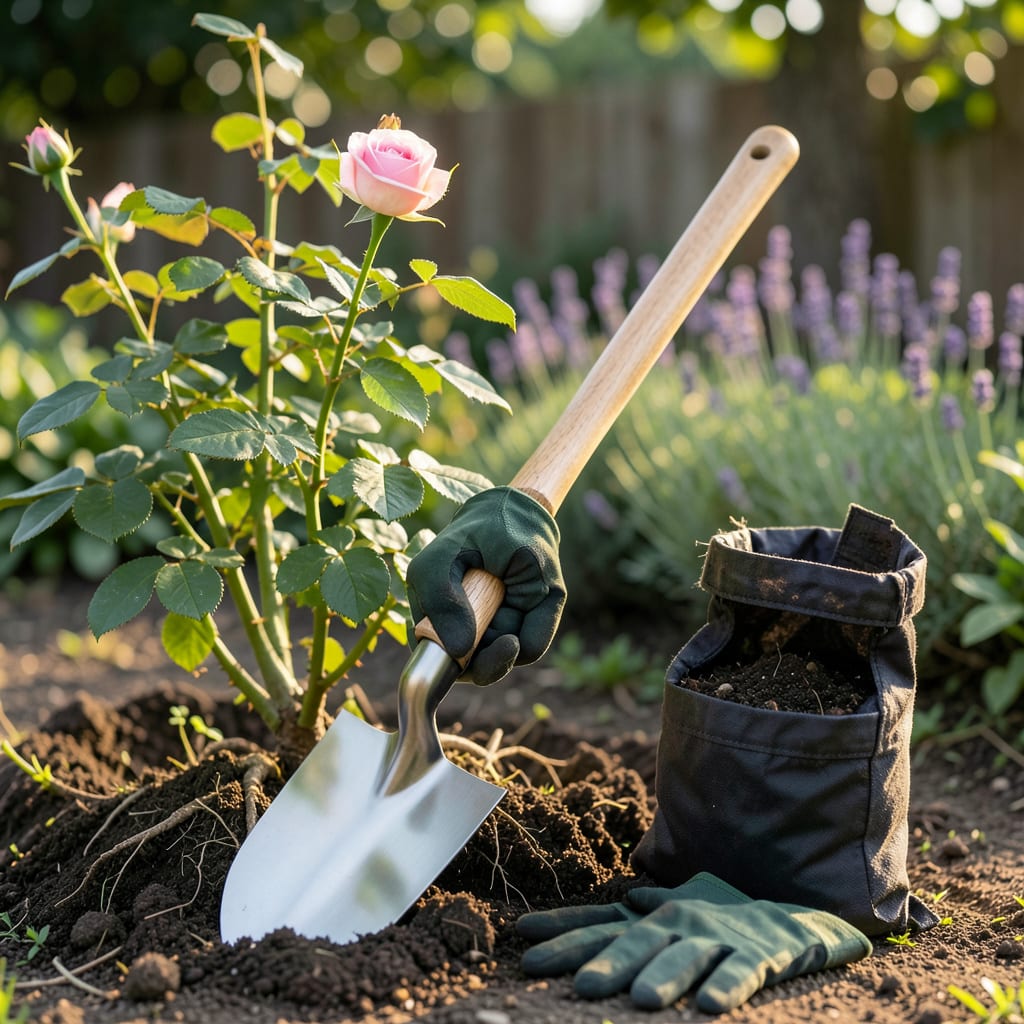
Timing can make or break your 🌹 rose garden in North Carolina. Plant too early, and late frosts might stunt growth. Wait too long, and summer heat could stress your new bushes before they establish roots.
I’ve helped dozens of NC gardeners nail the perfect window—whether you’re in the mountains or along the coast. Let’s cut through the confusion so you can plant with confidence and enjoy vibrant blooms all season long.
North Carolina’s diverse climate means rose planting timing varies dramatically from the cool mountains to the humid coast. The state spans USDA zones 6a-8b, with last frost dates ranging from mid-April in the Piedmont to early March along the coast.
For bare-root roses, aim for late winter to early spring (February-March in coastal areas, March-April inland). Container-grown roses offer more flexibility—you can plant them spring through fall, but avoid summer’s extreme heat in zones 7-8.
In the Piedmont region (Raleigh, Charlotte), I recommend planting 4-6 weeks before your last frost. This gives roots time to establish before summer heat arrives. For coastal areas (Wilmington, Outer Banks), you can start as early as late January for bare-root roses.
The mountain regions (Asheville, Boone) have shorter growing seasons and cooler soils. Wait until mid-March to plant bare-root roses, and avoid fall planting after October 1—early frosts can damage new growth.
If you’re planting container roses in summer, focus on evening planting and deep watering to combat heat stress. In zone 8b, I’ve found that Knock Out roses and Earth-Kind varieties thrive with minimal fuss.
For fall planting, aim for 6 weeks before your first frost. This gives roots time to grow before dormancy. In the Piedmont, that’s typically early October; along the coast, you can plant until late November.
Remember: Soil temperature matters more than air temperature. Use a soil thermometer—roses need 50-60°F soil to establish well. If you’re unsure, check with your local NC Cooperative Extension office for hyper-local advice.
Humidity is another factor—NC’s summer humidity can encourage black spot and powdery mildew. Planting in early spring or fall helps roses establish before disease pressure peaks in July-August.
Finally, consider microclimates. Urban areas like Charlotte may have warmer pockets than surrounding rural zones. If you’re in a heat island, adjust your planting time 1-2 weeks earlier than the general regional guidelines.
Planting roses in North Carolina isn’t just about timing—it’s about preparing the soil and choosing the right varieties for our humid climate. Our clay-heavy soils need amending, and disease-resistant roses perform best in NC’s sticky summers.
Start by testing your soil’s pH level—roses thrive in 6.0-6.5 pH. Most NC soils are naturally acidic, so you’ll likely need to add lime to balance it. Work in 3-4 inches of compost and pine bark fines to improve drainage.
For clay soil (common in Piedmont), mix in gypsum to break up compaction.
In sandy coastal soil, add peat moss to retain moisture.
Always plant roses 1-2 inches deeper than their nursery container to encourage strong root growth.
When planting bare-root roses, soak roots in water for 12-24 hours before planting. Dig a hole 18 inches wide and 15 inches deep—this gives roots room to spread. Create a small mound of soil in the center to drape roots over.
For container roses, gently loosen the root ball before planting. Position the plant so the bud union (the swollen area where canes meet roots) sits 1-2 inches below soil level in cold zones (6-7) or at soil level in warmer zones (8).
After planting, create a watering basin around the base to direct water to roots. Mulch with 2-3 inches of pine straw or shredded bark to retain moisture and suppress weeds. Water deeply 2-3 times per week for the first month, then taper to 1 inch per week.
In NC’s humidity, air circulation is critical. Space roses 3-4 feet apart to prevent fungal diseases. For climbing roses, position them 8-12 inches from supports to allow airflow behind the canes. Consider drip irrigation to keep foliage dry and reduce black spot risk.
First-year care focuses on root establishment. Avoid heavy pruning—just remove dead or crossing canes. Fertilize lightly with a balanced 10-10-10 in early spring, then again after the first bloom cycle. In fall, stop fertilizing 6 weeks before your first frost to harden off new growth.
For NC’s summer heat, afternoon shade helps prevent scorching. In coastal areas, salt-tolerant varieties like ‘Belinda’s Dream’ perform well. Mountain gardeners should choose cold-hardy types like ‘John Cabot’ climbing rose. Always monitor for Japanese beetles in July—they’re a major NC rose pest!
Planting roses in North Carolina comes with unique challenges—especially when you factor in our humid summers, clay-heavy soils, and unpredictable frost dates. Even experienced gardeners sometimes make mistakes that can stunt growth or invite disease.
After helping dozens of NC gardeners troubleshoot their rose bushes, I’ve noticed three common errors that repeatedly cause problems. The good news? They’re all easy to fix once you know what to watch for.
Another frequent issue is improper planting depth. In zones 6-7 (mountains/Piedmont), the bud union should sit 1-2 inches below soil level for winter protection. But in zone 8b (coastal areas), plant it at soil level to prevent crown rot from excess moisture.
I’ve seen many gardeners skip soil preparation entirely, assuming NC’s red clay is “good enough.” Big mistake! Our heavy clay compacts around roots, suffocating them. Always amend with compost and pine fines to improve drainage and aeration.
Watering errors are equally common. Overwatering in humid coastal areas leads to root rot, while Piedmont gardeners often underwater during summer droughts. The fix? Use drip irrigation on timers—1 inch per week, split into 2-3 deep waterings. Always water at the base, never overhead.
Finally, don’t overlook microclimate quirks. Urban heat islands in Raleigh or Charlotte may need afternoon shade for roses, while mountain valleys collect cold air that damages tender new growth. Observe your specific site before planting!
Remember: Roses are long-term investments. Taking time to avoid these mistakes now means decades of blooms with minimal maintenance later. When in doubt, consult your local NC Cooperative Extension for hyper-local advice tailored to your exact location.
Bare-root roses need late winter/early spring planting (Feb-March coastal, March-April inland) since they’re dormant. Container roses offer more flexibility—you can plant them spring through fall, just avoid summer’s peak heat in zones 7-8.
Mountain gardeners (zones 6a-7a) should wait until mid-March when soil reaches 50°F. Coastal gardeners (zone 8b) can start as early as late January for bare-root roses. Always check your last frost date—it varies by 6+ weeks across the state.
It’s risky but possible with extra care. Plant container roses only in early morning or evening, water daily for 2 weeks, and use 3-4 inches of mulch. Avoid July-August—heat stress and humidity make establishment difficult. Avoid bare-root roses entirely in summer.
Ignoring soil pH—NC’s naturally acidic soil (often 5.0-5.5) stunts roses. Always test and amend with lime to reach 6.0-6.5 pH before planting. Skipping this step leads to poor blooms and disease vulnerability.
Space bushes 3-4 feet apart and 2 feet from walls/fences to ensure airflow. Crowded roses trap humidity, creating perfect conditions for black spot fungus. Climbing roses need 8-12 inches of clearance from supports.
