
Beautiful Plants For Your Interior
Beautiful Plants For Your Interior
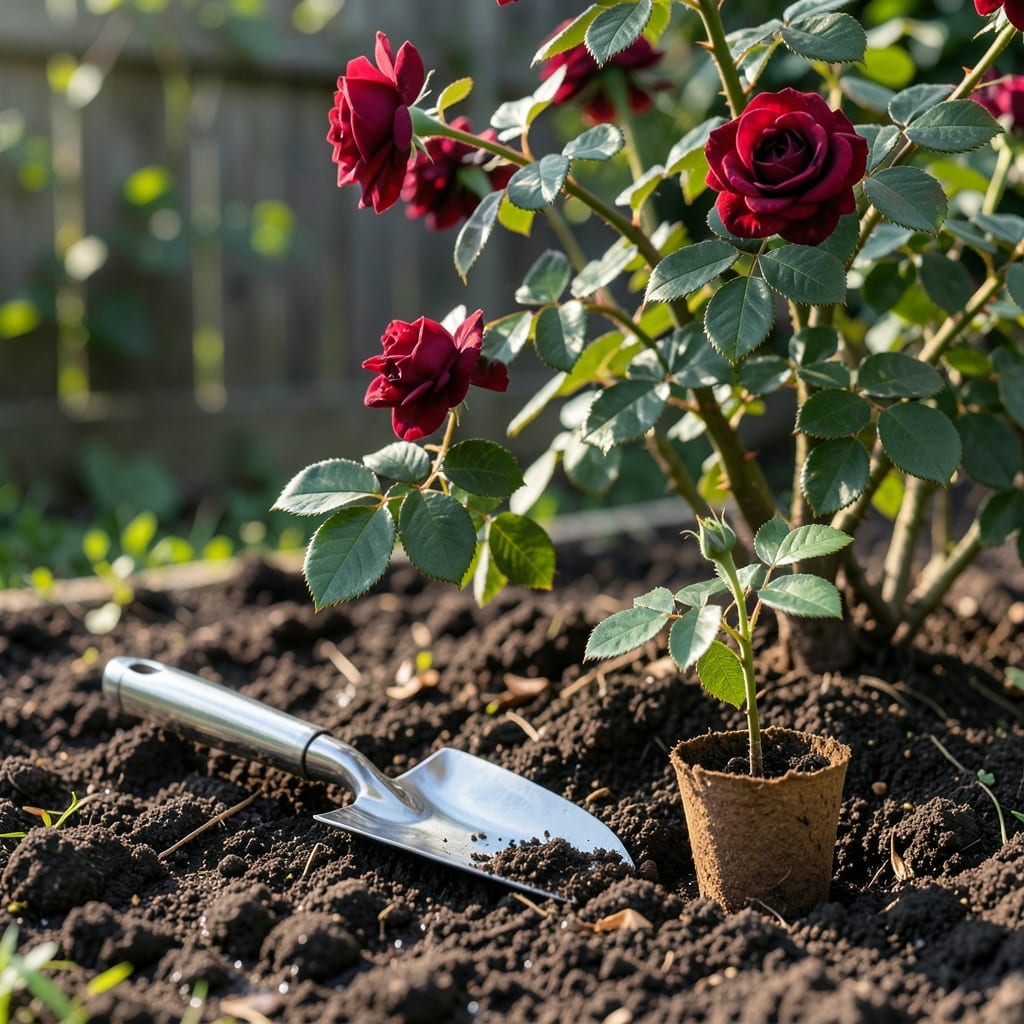
Timing is everything when planting Roses in Minnesota’s unpredictable climate. Get it right, and your garden will burst with color and fragrance for years to come.
Zone 4’s short growing season and harsh winters demand precision, but I’ll help you nail the perfect spring and fall planting windows. Whether you’re new to gardening or a seasoned pro, understanding these timing nuances makes all the difference.
The 🌹 Rose thrives when planted at the right moment, avoiding late frosts and ensuring strong root development. I’ve tested various approaches in Minnesota’s unique conditions, and what I’ve learned will save you time and frustration.
Discover the exact windows that work best for Zone 4a-4b, and watch your garden transform. Let’s get started on the path to your most vibrant blooms yet.
In Minnesota’s Zone 4, spring is the most popular time to plant roses. I always aim for late April to early May, right after the last frost date (typically May 15). This timing ensures the soil is workable and warm enough for root establishment before summer heat arrives.
For bare-root roses, plant as soon as the ground thaws. Container-grown roses can go in a bit later. I check that soil temps are at least 50°F—this gives roots the best start. Late frosts can still happen, so I keep frost cloth handy just in case.
| Planting Factor | Spring Recommendation |
|---|---|
| Best Months | April – May |
| Soil Temperature | 50°F minimum |
| Last Frost Date | May 15 |
| Bare-Root Timing | As soil thaws |
| Container Roses | After last frost |
I’ve found hybrid teas and floribundas do especially well with spring planting in Minnesota. The key is preparing the soil first—mix in plenty of compost and ensure good drainage. Our clay soil can be tricky, so I often amend with sand or peat moss.
Watering is critical those first few weeks. I give my new roses a deep soak twice a week unless we get rain. Mulching with 2-3 inches of wood chips helps retain moisture and regulate soil temperature as they establish.
One thing I watch for is late spring frosts. Even after planting, a sudden cold snap can damage new growth. I keep row covers or burlap wraps ready to protect tender plants if temperatures dip below 32°F.
The advantage of spring planting is watching your roses bloom that first year. With proper care, you’ll often see flowers by June or July. I always get excited seeing those first buds form—it’s a sign all the preparation paid off.
For climbing roses, spring planting gives them the whole season to establish before winter. I
Remember that Zone 4’s short season means every day counts. Planting too late in spring can result in weaker plants going into winter. I mark my calendar for early May as my target—it’s the sweet spot for most rose varieties in Minnesota.
Finally, don’t forget to harden off your roses if you bought them from a nursery. I gradually expose them to outdoor conditions over 7-10 days before planting. This prevents transplant shock and gives them the best start in their new home.
In Minnesota’s Zone 4, fall can be the best time to plant roses. The cooler temperatures and consistent moisture help roots establish before winter arrives.
I recommend planting 6 weeks before the first frost, which typically means early to mid-September. This gives your roses enough time to settle in before the ground freezes.
Fall-planted roses often outperform spring-planted ones because they focus on root development rather than top growth. This leads to healthier, more resilient plants the following year.
To protect your new roses, add a thick layer of mulch (4-6 inches) around the base after planting. This insulates the roots and retains moisture as temperatures drop.
If you’re planting bare-root roses, fall is ideal because the soil stays warm longer, encouraging root growth. Just ensure you water deeply once a week until the ground freezes.
Remember, container-grown roses can also be planted in fall, but avoid late-season planting if the forecast calls for an early freeze. Always check your local weather patterns for the best results. 🌹