
Beautiful Plants For Your Interior
Beautiful Plants For Your Interior
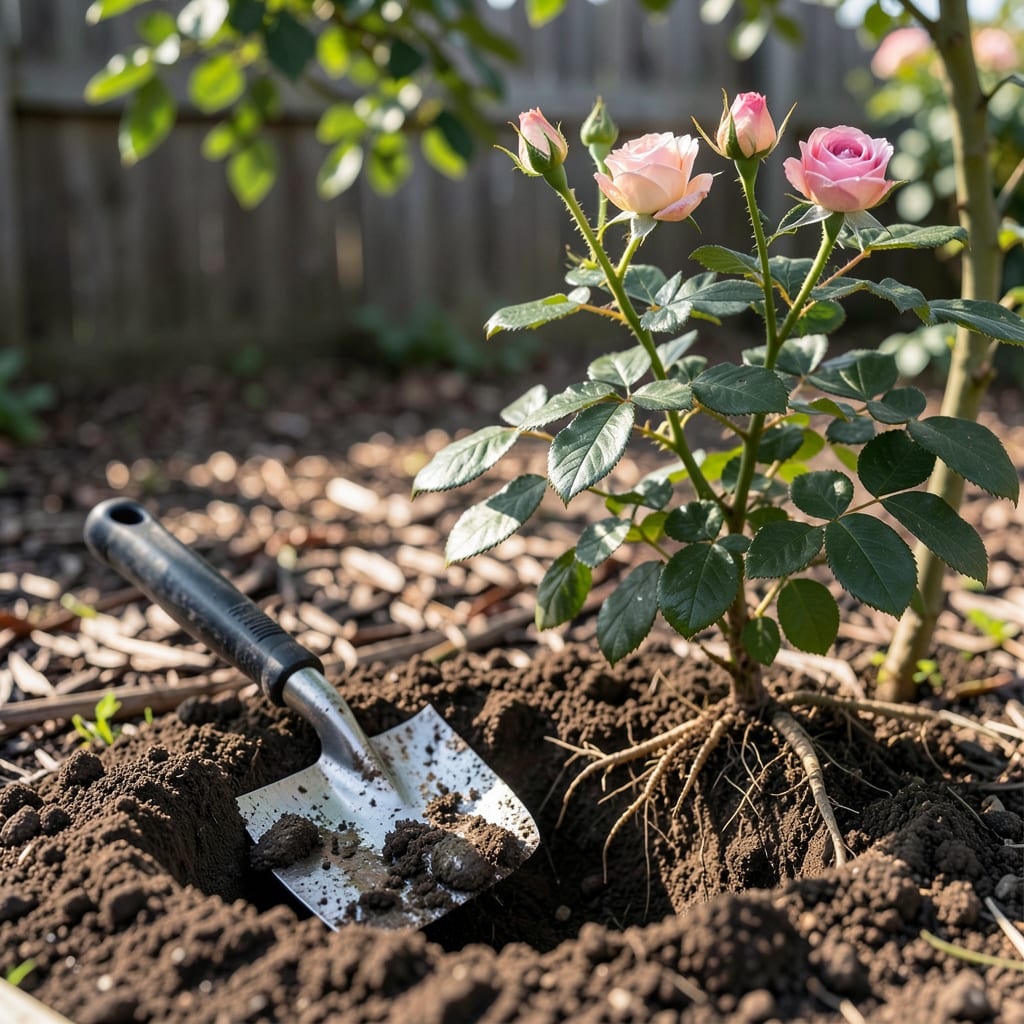
Georgia’s unpredictable weather can turn rose planting into a gamble—plant too soon, and late frosts might ruin your 🌹. But wait too long, and the scorching summer sun could fry delicate new roots before they even settle in.
After years of testing timing across the state’s zones, I’ve pinpointed the perfect windows for bare-root and container roses—whether you’re in the mountains or along the coast. Let me show you how to sync your planting with Georgia’s climate for bigger blooms and less stress.
Georgia’s diverse climate zones mean rose planting timing varies dramatically from the mountains of Zone 6a to the coastal warmth of Zone 9a. The key is aligning your planting with soil temperature (ideally 50–60°F) and avoiding extreme heat or frost. I’ll break down the exact windows for bare-root and container-grown roses across the state.
In North Georgia (Zones 6a–7b), you’ll want to focus on fall planting (October–November) to give roots time to establish before winter. For Central and South Georgia (Zones 7b–9a), you’ve got more flexibility with spring (February–March) or fall (October–November). Avoid summer planting—the heat stresses new roses and dries out roots faster than they can establish.
Pro Tip: For climbing roses, plant 4–6 weeks before your region’s last frost to establish strong canes before summer heat. 🌹
If you’re planting bare-root roses, aim for dormant season (winter) when plants aren’t actively growing. This gives roots time to settle in before spring’s growth surge. In Zones 8–9, you can push bare-root planting into early January, but don’t wait too long—roots need 6–8 weeks of cool weather to establish before summer.
For container-grown roses, you’ve got more flexibility since roots are already developed. Spring planting (after last frost) works well in Zones 6–7, while fall planting (6–8 weeks before first frost) is ideal in Zones 8–9. Avoid planting in July–August—the combination of heat and humidity stresses roses and invites fungal diseases like black spot.
Soil prep is just as critical as timing. In Georgia’s clay-heavy regions, amend soil with compost or pine fines to improve drainage. Test your soil’s pH—roses thrive in 6.0–6.5. If your soil is too acidic (common in North Georgia), add lime; if it’s alkaline (more common in Coastal areas), mix in sulfur or peat moss before planting.
Watering after planting is non-negotiable. Give new roses 1–2 gallons of water immediately after planting, then maintain deep watering 2–3 times per week for the first month. In sandy Coastal soils, you may need to water more frequently, while clay soils in North Georgia retain moisture longer but require careful drainage management.
Mulching is your secret weapon against Georgia’s temperature swings. Apply 2–3 inches of organic mulch (like pine straw or shredded bark) around the base to regulate soil temperature and retain moisture. Avoid piling mulch against the stem—this can lead to rot or invite pests like cane borers.
For hybrid tea roses or other finicky varieties, consider container planting first to monitor their adaptation to your microclimate. This is especially useful in Zone 9a, where summer heat can be brutal. Move containers to partial shade during peak afternoon heat (2–5 PM) until plants are established.
Finally, keep an eye on the 10-day forecast before planting. If temperatures are expected to dip below 28°F or spike above 85°F, delay planting. Roses need moderate temperatures (50–75°F) and consistent moisture to thrive in those critical first weeks. 🌡️
Planting roses in Georgia isn’t just about timing—it’s about avoiding the common pitfalls that turn thriving gardens into struggling ones. I’ve seen even experienced gardeners make mistakes that cost them weeks of growth or even lose plants entirely. Let’s tackle the top 5 errors and how to sidestep them.
First up: ignoring soil drainage. Georgia’s clay-heavy soil is notorious for holding water, which can drown rose roots and invite root rot. If your soil stays soggy after rain, amend it with compost, sand, or pine fines before planting. A simple percolation test (dig a hole, fill with water, and time how long it drains) can save you headaches later.
⚠️ Georgia Rose Danger Zone
Another big mistake? Planting in the wrong sunlight. Roses need 6–8 hours of sun daily, but in South Georgia (Zones 8b–9a), afternoon sun can scorch petals. Opt for morning sun with afternoon shade, especially for hybrid teas or dark-colored varieties like ‘Black Baccara’. Use a sun calculator app to track your garden’s light patterns before planting.
Underestimating watering needs is a third critical error. New roses need deep watering 2–3 times weekly for the first month, but overwatering is just as dangerous. Stick your finger 2 inches into the soil—if it’s dry, water; if it’s damp, wait. In sandy Coastal soils, you may need to water daily until roots establish, while clay soils hold moisture longer but require better drainage.
Fourth, don’t skip the pre-planting soil prep. Roses thrive in loamy, well-draining soil with a pH of 6.0–6.5. Test your soil with a $10 home kit—if it’s too acidic (common in North Georgia), add lime; if it’s alkaline (typical near the coast), mix in sulfur or peat moss. Work amendments into the top 12–18 inches of soil for best results.
Finally, many gardeners forget to harden off container roses before planting. If you bought roses from a nursery or online, they need 7–10 days to acclimate to Georgia’s outdoor conditions. Start by placing them in partial shade for a few hours daily, gradually increasing sun exposure. This prevents transplant shock, which can stunt growth for weeks.
Bonus tip: Avoid planting roses where they’ve grown before. Rose replant disease is real—soil-borne pathogens can linger for years. If you’re replacing old roses, remove at least 18 inches of soil and replace it with fresh, amended mix. Or, plant in a new location entirely to give your roses the freshest start possible. 🌱
Georgia’s hot, humid summers and mild winters create the perfect storm for rose diseases like black spot and powdery mildew. But don’t let that stop you! After testing dozens of varieties, I’ve found the top performers that thrive in Georgia’s climate—resisting pests, tolerating heat, and blooming longer than average.
For low-maintenance beauty, you can’t beat the Knock Out® series. These roses bloom nonstop from spring to frost, require minimal pruning, and shrug off Georgia’s humidity. ‘Double Knock Out’ (with its cherry-red double blooms) and ‘Blushing Knock Out’ (soft pink) are my top picks for Zone 7–9 gardens.
Pro Tip: For climbing roses, ‘New Dawn’ and ‘Blaze’ handle Georgia’s heat better than most—just give them morning sun and afternoon shade in Zone 8–9.
If you love fragrant roses, ‘Mister Lincoln’ (deep red) and ‘Chrysler Imperial’ (velvety red) are classic choices—but they’ll need extra care in Georgia. Plant them in well-amended soil, provide afternoon shade in Zone 8–9, and be ready to spray neem oil preventatively for black spot.
For small spaces or containers, ‘The Fairy’ (pink polyantha) and ‘Playboy’ (red/yellow striped floribunda) are winners. Both stay under 3 feet tall and bloom continuously with minimal fuss. In containers, use a high-quality potting mix with added perlite for drainage, and water daily in summer.
Want year-round interest? Pair roses with companion plants like lavender (repels pests), salvias (attracts pollinators), or Russian sage (drought-tolerant). In Georgia’s heat, these combos reduce maintenance and keep your garden colorful even between rose blooms. 🌿
Remember, the best rose for you depends on your specific zone and garden conditions. If you’re in North Georgia (Zone 6–7), focus on cold-hardy varieties like ‘John Cabot’ (climbing) or ‘Bonica’ (shrub). In South Georgia (Zone 8–9), prioritize heat-tolerant types like ‘Belinda’s Dream’ or ‘Carefree Beauty’.
Fall is ideal for most of Georgia (Zones 6–9) because cooler temperatures and consistent rainfall help roots establish before winter. In North Georgia (Zones 6–7), aim for October–November. For South Georgia (Zones 8–9), you can also plant in February–March.
Even with extra water, summer planting is risky in Georgia. The combination of 90°F+ heat and humidity stresses new roses, making them vulnerable to black spot and transplant shock. If you must, choose container-grown roses and plant in early morning with shade cloth.
Amend clay soil with 30% compost or pine fines to improve drainage. Test pH—roses thrive in 6.0–6.5. If soil is too acidic (common in North Georgia), add lime; if alkaline (typical near the coast), mix in sulfur or peat moss. A raised bed can also help in poorly draining areas.
Knock Out® roses and Earth-Kind® varieties are top picks—they resist black spot and thrive in heat. For fragrance, try ‘Duchesse de Brabant’ or ‘Mutabilis’. Avoid finicky hybrid teas unless you’re prepared for extra fungicide sprays in Zones 8–9.
Water deeply 2–3 times per week for the first month, giving 1–2 gallons per plant each time. In sandy Coastal soils, water daily until roots establish. Clay soils hold moisture longer, so check soil 2 inches deep—if dry, water; if damp, wait.
