
Beautiful Plants For Your Interior
Beautiful Plants For Your Interior
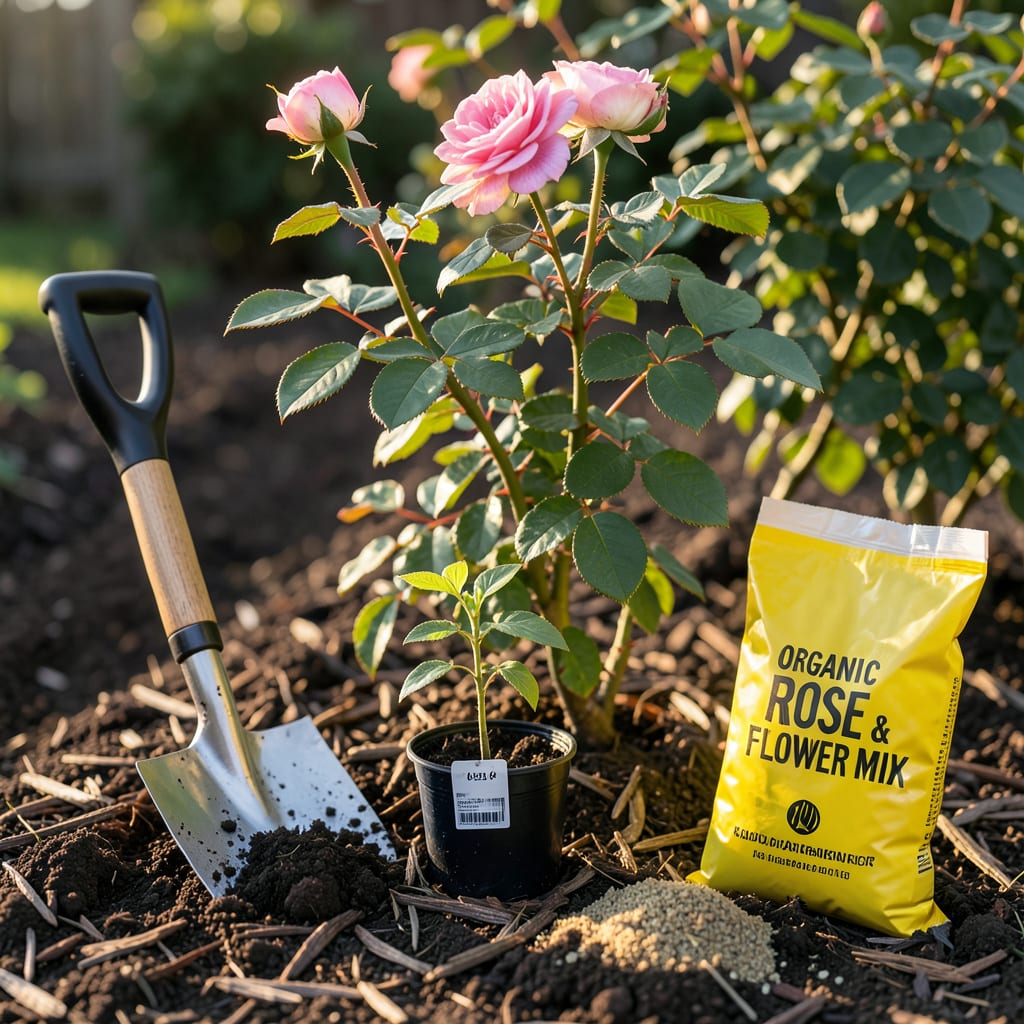
California’s diverse climates make planting roses a bit of a puzzle—what thrives in foggy San Francisco might struggle in Palm Springs’ heat. The difference between lush blooms and a struggling bush often comes down to timing.
I’ve dug into the data (and dirt) to simplify this for you. Whether you’re along the coast or in the Central Valley, we’ll break down the best months to plant, why fall beats spring in most zones, and how to prep your soil for success. Let’s get your 🌹 roses off to the right start.
If you’ve ever wondered why your neighbor’s roses thrive while yours struggle, the answer often comes down to planting timing. California’s diverse microclimates mean what works in foggy San Francisco won’t fly in baking Bakersfield. I’ve seen gardeners lose entire rose bushes by planting too late in the Central Valley’s heat.
The golden rule? Coastal gardeners should aim for November–February, while inland areas get a wider window from October–March. The key difference? Soil temperature—roses need it above 50°F to establish roots before summer stress hits.
| Region | Best Planting Months | Soil Temp Threshold | Key Challenge |
|---|---|---|---|
| Coastal (Zones 9-10) | Nov–Feb | 50–60°F | Fungal diseases from humidity |
| Central Valley (Zone 8) | Oct–Dec | 55–65°F | Summer heat stress |
| Desert (Zone 7) | Oct–March | 60°F+ | Drought + intense sun |
| Mountains (Zone 6) | April–May | 45°F min | Late frosts |
🌹 Pro Tip: Bare-root roses need 4–6 weeks before first frost; container roses can go in year-round with extra care.
In coastal areas, the cool, moist winters are perfect for bare-root roses. I plant mine in January to avoid winter storms but still give roots time to establish. The foggy summers mean less water stress, but watch for black spot fungus—space plants for airflow!
Head inland to the Central Valley, and the rules flip. Here, October–December planting is critical to beat the 100°F summers. I’ve found that container-grown roses transition better in these areas because you can control soil moisture during the adjustment period.
For desert gardeners, the window stretches to March, but you’ll need to mulch heavily and choose drought-tolerant varieties like ‘Earth Song’ or ‘Belinda’s Dream’. These roses thrive with deep, infrequent watering—think 2 gallons weekly once established.
Up in the mountains, frost is your biggest enemy. Wait until April–May when soil hits 45°F. I recommend hardy shrub roses like ‘John Cabot’ that can handle late spring frosts. Add a 3-inch mulch layer to insulate roots.
No matter your zone, soil prep is non-negotiable. Work in 2–3 inches of compost and check drainage—roses hate wet feet. In clay-heavy areas, amend with gypsum or perlite to prevent root rot.
Here’s my foolproof test: Dig a 12-inch hole, fill with water, and time how long it takes to drain. If it’s still soggy after 30 minutes, you’ve got drainage issues. Fix it before planting, or your roses will drown in winter or bake in summer.
Finally, don’t forget the sunlight sweet spot: 6+ hours daily for most varieties. In hot inland areas, afternoon shade prevents scorched petals. Along the coast, full sun is safe thanks to the cooling marine layer. Adjust your planting spot accordingly!
Even with perfect timing, some common mistakes can derail your California rose garden. I’ve seen gardeners in Sacramento lose bushes to root rot and Los Angeles roses crisp up from poor watering. Let’s tackle the big three pitfalls—and how to avoid them.
The first blunder? Planting too late in hot zones. In the Central Valley or desert regions, roses planted after March often struggle to establish before summer heatwaves hit. I’ve rescued many a wilted rose by shifting planting to fall instead.
⚠️ Warning: Clay Soil Trap
Problem: Heavy clay (common in Bay Area and Sacramento) suffocates roots.
Fix: Mix in 30% compost + perlite before planting.
Test: Squeeze soil—if it holds shape, it’s too dense.
🌱 Pro Tip: Raised beds solve drainage issues in clay-heavy zones.
Next up: Ignoring watering adjustments. California’s drought conditions mean roses need deep, infrequent watering—not daily sprinkles. I use the “finger test”: Stick your finger 2 inches deep. If dry, water 1–2 gallons at the base.
In coastal areas, overwatering is the bigger risk. The marine layer keeps soil moist, so cut back to once weekly unless we’re in a Santa Ana wind dry spell. Desert gardeners, you’ll need drip irrigation to prevent evaporation.
The third mistake? Skipping mulch in extreme climates. A 3-inch layer of wood chips or shredded bark regulates soil temp, suppresses weeds, and retains moisture. In mountain zones, mulch also insulates roots from late frosts—I’ve saved roses from freeze damage this way.
Finally, don’t overlook sunlight shifts. A spot with full sun in winter might get only 4 hours in summer thanks to tree growth. Use a sun calculator app to track light patterns before planting. In hot inland areas, afternoon shade is a must to prevent petal scorch.
Here’s my quick
Not all roses are created equal when it comes to California’s diverse climates. I’ve tested dozens of varieties across the state, and the winners share three traits: heat tolerance, drought resistance, and disease resistance. Let’s match the right rose to your region.
For coastal gardeners (Zones 9-10), ‘Iceberg’ and ‘Double Delight’ thrive in the cool, humid air. These floribundas bloom April–November with minimal fuss. I love ‘Iceberg’ for its pure white blooms that brighten foggy days.
| Region | Top Variety | Bloom Season | Key Trait |
|---|---|---|---|
| Coastal | ‘Iceberg’ | April–Nov | Disease-resistant |
| Central Valley | ‘Earth Song’ | May–Oct | Heat-tolerant |
| Desert | ‘Belinda’s Dream’ | March–June, Sept | Drought-proof |
| Mountains | ‘John Cabot’ | June–Aug | Cold-hardy |
🌹 Pro Tip: Plant ‘Fourth of July’ climbers for vertical color in small spaces.
In the Central Valley’s heat, ‘Earth Song’ is my go-to. This shrub rose laughs at 100°F temps and blooms nonstop from May. Pair it with ‘Julia Child’ for golden-yellow contrast that thrives with weekly deep watering.
Desert dwellers, meet your match: ‘Belinda’s Dream’. This pink beauty needs only 1 inch of water weekly once established. I’ve seen it flourish in Palm Springs with just morning shade and reflective mulch to beat the heat.
For mountain gardens, ‘John Cabot’ climbs 8–12 feet and handles late frosts like a champ. Plant it near a south-facing wall to extend the bloom season. In cold pockets, add ‘William Baffin’ for winter-hardy color.
Want year-round color? Stagger these varieties: Start with ‘Double Delight’ (spring), add ‘Earth Song’ (summer), then ‘Playboy’ (fall). This combo gives 9+ months of blooms in most zones. Just remember—deadhead spent flowers to encourage reblooming!
Yes, especially in most California zones! Fall planting (October–December) gives roots time to establish before summer heat. In coastal areas, you can plant through February, but inland regions benefit most from fall timing to avoid scorching temps.
Check two things: temperature and texture. Soil should be at least 50°F (use a thermometer) and crumbly—not soggy or rock-hard. The “squeeze test” works: if a handful holds shape when squeezed, it’s too wet.
Only in coastal zones with extra care. Inland summer planting risks heat shock. If you must, choose container roses, plant in evening, and provide temporary shade for 2 weeks. Water daily until established.
Coastal areas have a wider window (November–February) thanks to mild winters, while inland zones must finish by March to beat heat. Inland also requires more frequent watering and mulch. Coastal gardeners battle humidity-related fungus instead.
Bare-root roses typically bloom in 8–12 weeks if planted in fall. Container roses may flower sooner. First-year blooms are often smaller—full glory comes in year two! Patience pays with bigger, healthier flowers.
