
Beautiful Plants For Your Interior
Beautiful Plants For Your Interior
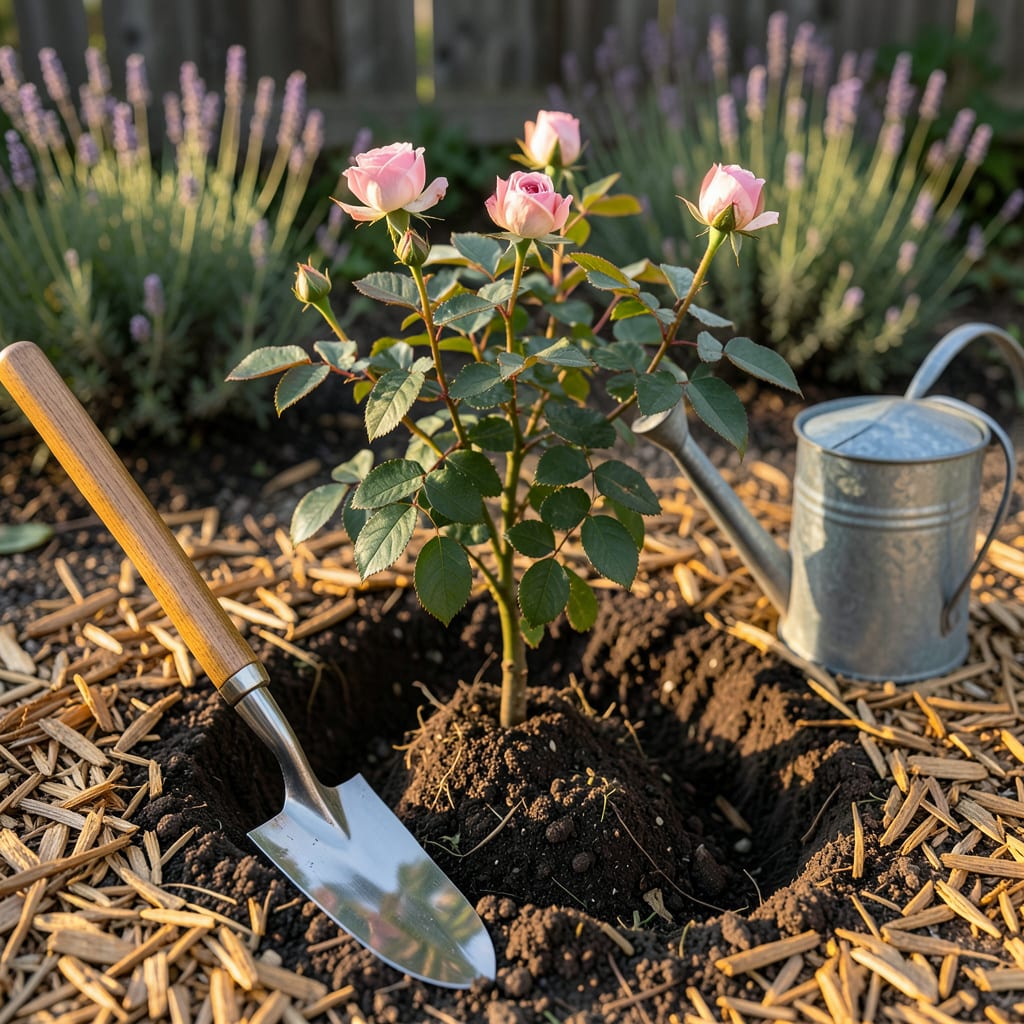
Timing is everything when growing roses in Arizona’s extreme climate. Plant too late, and the scorching sun will fry your 🌹 before they establish roots. But nail that perfect winter window, and you’ll be rewarded with vibrant blooms that laugh in the face of desert heat.
I’ve seen gardeners struggle for years—until they adjusted their schedule. Whether you’re in Phoenix’s low desert or Flagstaff’s high country, the rules change. Let me show you the exact months to plant for thriving roses, plus the critical mistakes that waste time and money.
If you’ve ever tried growing roses in Arizona, you know our extreme heat and dry soil demand a different approach than cooler climates. The key? Planting at the right time—when roots can establish without battling 110°F temperatures. I’ll break down the ideal windows for both low desert (Phoenix, Tucson) and high desert (Flagstaff, Prescott).
In the low desert, our mild winters are actually the perfect planting season. You’ll want to get roses in the ground when they’re dormant but the soil is still workable. Up north in the high desert, the schedule shifts slightly due to colder winters and a shorter growing season. Let’s dig into the specifics.
| Region | Best Months | Soil Temp | Notes |
|---|---|---|---|
| Low Desert (Phoenix, Tucson) |
January–February | 55–65°F | Plant bare-root roses during dormancy. Avoid March—temps rise fast! |
| Intermediate (Yuma, Casa Grande) |
December–January | 50–60°F | Slightly earlier due to less frost risk. Mulch heavily to retain moisture. |
| High Desert (Flagstaff, Payson) |
April–May | 45–55°F | Wait until last frost (mid-May). Use container roses for better survival. |
Pro Tip: In all regions, avoid planting June–September—new roses can’t handle the monsoon heat.
For bare-root roses, which are cheaper and widely available, January is prime time in the low desert. These roses are dormant, so they’ll focus on root growth before our brutal summers hit. I soak the roots in water for 12–24 hours before planting to rehydrate them—trust me, it makes a difference in our dry climate.
If you’re planting container-grown roses, you’ve got a bit more flexibility. These can go in the ground anytime from fall to early spring, but I still recommend avoiding peak summer. The stress of transplanting plus 100°F+ temps is a recipe for shock. In the high desert, container roses are your best bet—they handle the shorter season better than bare-root.
Here’s a trick I swear by: Plant in the late afternoon to give roots a chance to settle overnight before facing the Arizona sun. And no matter where you are in the state, amend your soil with compost or well-rotted manure. Our native soil is often alkaline and compacted, which roses hate. A 50/50 mix of native soil and organic matter works wonders.
In the low desert, you might see garden centers selling roses in March or April. Resist the urge! Those late plantings struggle to establish before the heatwave hits. If you miss the January window, your next best bet is October–November, when temps cool down again. Just be sure to water deeply 2–3 times a week until roots take hold.
Up in the high desert, the game changes entirely. Flagstaff’s USDA Zone 7 means you’re dealing with real winters. Plant too early, and frost can kill tender new growth. Too late, and roses won’t have time to harden off before the first freeze. Aim for late April to early May, after the last frost date (usually May 15).
No matter your region, mulch is non-negotiable. I use a 3–4 inch layer of shredded bark or wood chips to keep roots cool and retain moisture. In the low desert, mulch can drop soil temps by 10–15°F—a lifesaver in July! Just keep it 2 inches away from the stem to prevent rot.
Finally, if you’re wondering about rose varieties, stick with heat-tolerant types like ‘Desert Sunrise,’ ‘Earth-Kind,’ or ‘Belinda’s Dream.’ These thrive in our climate and bounce back from the monsoon storms. Pair the right variety with the right planting time, and you’ll have blooms from spring through fall—even in the desert! 🌹
Even with perfect timing, Arizona gardeners can still kill roses by making a few common mistakes. I’ve seen it happen too often—healthy-looking plants wilt within weeks because of preventable errors. Let’s tackle the top three pitfalls and how to sidestep them.
The first blunder? Planting too shallow. In our sandy, fast-draining soil, roses need their graft union (that bulge near the base) buried 2–3 inches deep. This protects roots from the scorching surface temps and keeps them cooler. Skimp on depth, and your roses will burn up by June.
Fix it: Plant in late afternoon, amend soil with compost, and mulch 3–4 inches deep.
Next up: ignoring afternoon shade. While roses love full sun, Arizona’s intense UV rays can fry leaves by mid-July. I lost three bushes before learning this lesson! The fix? Plant where they get morning sun but dappled shade after 2 PM, or use shade cloth during monsoon season.
Watering mistakes are the third big issue. Too little, and roots dry out; too much, and you’ll drown them or invite fungal diseases. Here’s my rule: New roses need 1–2 gallons of water every 3–4 days for the first month. After that, cut back to once a week but soak deeply—our soil drains fast!
Another sneaky problem? Skipping soil prep. Arizona’s native soil is often alkaline and nutrient-poor. I mix in compost and sulfur to lower pH slightly (roses prefer 6.0–6.5). Without this, you’ll see yellow leaves (chlorosis) and weak blooms. Test your soil first—it’s a $10 investment that saves hundreds in dead plants.
Finally, don’t forget mulch—but use it correctly. Pile it too close to the stem, and you’ll trap moisture, causing rot. Keep it 2 inches away from the base, spread 3–4 inches thick. In Phoenix, mulch can drop soil temps by 10–15°F, which is the difference between thriving and crispy roses.
If you avoid these mistakes, your roses will not only survive but thrive in Arizona’s tough climate. Pair these fixes with the right planting time, and you’ll have blooms that laugh at the heat—just like mine do! 🌹
Not all roses can handle Arizona’s blistering summers and alkaline soil. After years of trial and error, I’ve found the toughest varieties that don’t just survive—they flourish in our desert climate. The secret? Matching the right rose to your specific region and planting window.
In the low desert, you need roses bred for heat tolerance and drought resistance. Varieties like ‘Desert Sunrise’ and ‘Earth-Kind’ laugh at 110°F temps while delivering waves of color. Up in the high desert, focus on cold-hardy types that can handle Flagstaff’s freezing winters and short growing season.
| Variety | Heat Zone | Best Planting | Bloom Season | Notes |
|---|---|---|---|---|
| Desert Sunrise | 10–11 | Jan–Feb | Spring–Fall | Drought-tolerant; orange-red blooms. |
| Earth-Kind | 9–11 | Dec–Feb | Year-round | Low-maintenance; disease-resistant. |
| Belinda’s Dream | 8–10 | Jan–Mar | Spring–Summer | Pink blooms; thrives in heat. |
| Lady Banks | 9–11 | Feb–Mar | Early Spring | Climbing rose; nearly thornless. |
Pro Tip: Pair early bloomers (like Lady Banks) with late-season varieties for nonstop color.
For low-desert gardeners, ‘Desert Sunrise’ is my top pick. It’s bred for Arizona’s climate and blooms in waves from spring to fall. Plant it in January, and you’ll get flowers by March. If you love fragrant roses, ‘Earth-Kind’ delivers sweet scent plus disease resistance—perfect for our monsoon humidity.
In the high desert, ‘Belinda’s Dream’ shines. It handles cold snaps and still pumps out pink blooms all summer. For a showstopper climber, ‘Lady Banks’ covers arbors with thousands of tiny yellow flowers in early spring. Just plant it near a south-facing wall for winter protection.
Timing matters even with tough varieties. Plant bare-root roses in winter (Jan–Feb) so they establish before heat hits. Container roses can go in fall or spring, but avoid summer planting—even heat-lovers need time to acclimate. I’ve found that roses planted in October often bloom earlier the next spring.
Remember: Water deeply after planting, then taper off as roots establish. In the low desert, new roses need 1–2 gallons every 3–4 days for the first month. Up north, cut back to once a week once they’re settled. With the right variety and care, you’ll have roses that thrive—not just survive—in Arizona’s toughest conditions. 🌿
Bare-root roses are ideal for January–February planting in the low desert, as they establish roots during cooler months. Container roses offer more flexibility—plant them fall through early spring, but avoid summer’s extreme heat.
March plantings struggle because temperatures spike quickly, stressing new roots before they establish. The soil heats up fast, making it harder for roses to adapt. Stick to January–February for best results in the low desert.
Avoid summer planting entirely—even heat-tolerant varieties need time to acclimate. New roses can’t handle 100°F+ temps while establishing roots. If you miss the winter window, wait until October–November for cooler conditions.
New roses need 1–2 gallons of water every 3–4 days for the first month. After establishment, taper to once a week but water deeply. In extreme heat, check soil moisture 2 inches down—if dry, water immediately.
Yes! Bury the graft union 2–3 inches deeper than in cooler climates. This protects roots from our scorching surface temps and helps retain moisture. Skipping this step risks root burn and poor growth.
