
Beautiful Plants For Your Interior
Beautiful Plants For Your Interior
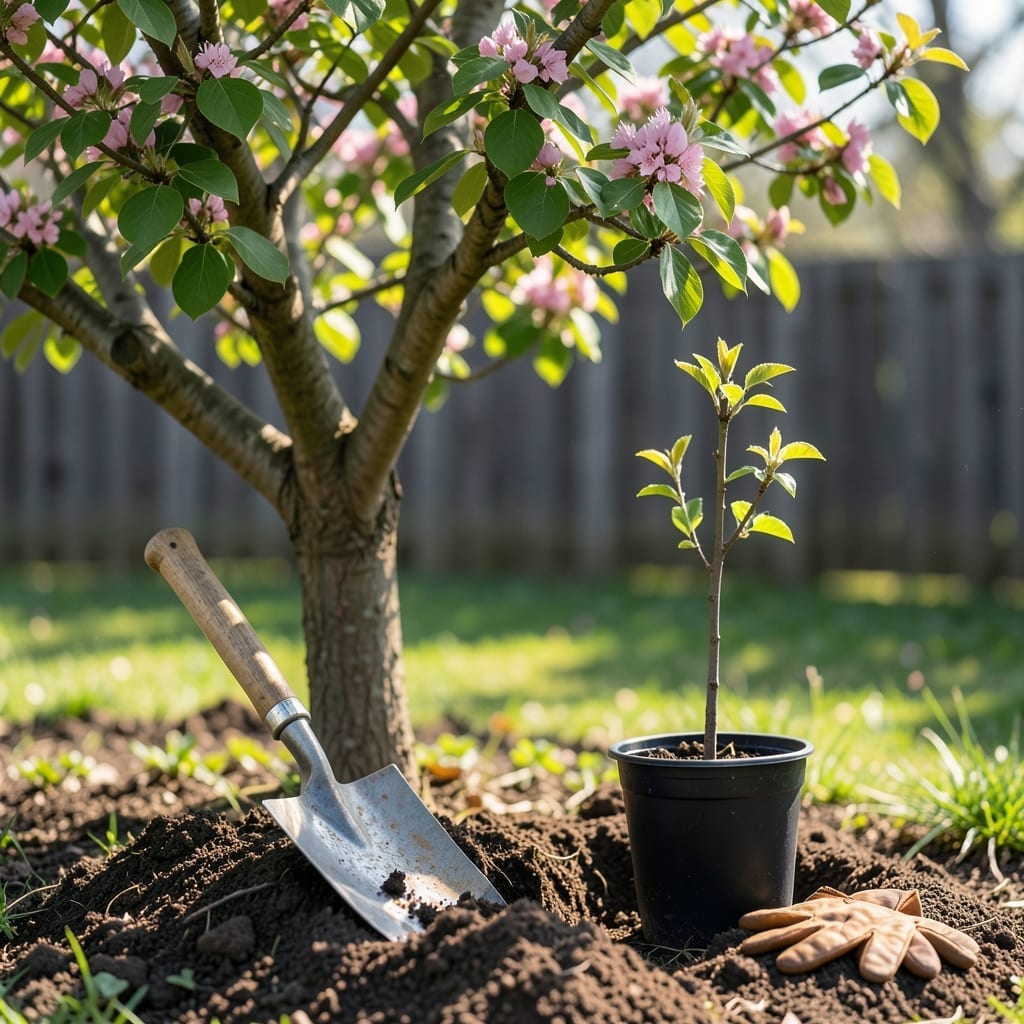
There’s nothing quite like the vibrant pink blooms of a 🌳 Redbud Tree signaling spring’s arrival. But plant it at the wrong time, and you might miss out on its full glory for years.
Getting the timing right is the key to strong root establishment and healthy growth. Whether you’re in zone 4-9, the season you choose makes all the difference.
Let me walk you through when to get that Redbud Tree in the ground for the best start and a lifetime of stunning color.
The ideal planting window for redbud trees is in early fall, typically from September to November. This timing allows roots to establish before winter dormancy while avoiding extreme heat.
In cooler climates, early spring (March-April) works as a secondary option, but fall planting often yields better results for root development.
| Planting Factor | Optimal Details |
|---|---|
| Best Season | Fall (primary), Early Spring |
| Ideal Months | September, October, November |
| USDA Zones | 4-9 |
| Soil Temp | Above 50°F for root growth |
| Spring Alternative | March-April, after last frost |
Fall planting gives your redbud a head start on root growth before winter. The cooler temperatures reduce stress while allowing roots to spread in moist soil conditions.
I always recommend planting 4-6 weeks before your first expected frost. This gives the tree time to anchor itself before the ground freezes, preventing winter heaving.
For spring planting, wait until after the last frost when soil temperatures reach at least 50°F. This ensures the roots can begin growing immediately rather than sitting dormant.
The worst times to plant are during summer heat or when the ground is frozen. Extreme temperatures stress the tree and reduce survival rates significantly.
In warmer climates (zones 7-9), you can extend the fall planting window into early December. The milder winters allow for later planting without risking root damage.
Remember that container-grown redbuds can be planted almost year-round, except during temperature extremes. Their established root systems handle transplanting better than bare-root trees.
No matter when you plant, consistent watering for the first year is crucial. I’ve found that deep watering once weekly works best for new redbuds, especially during dry spells.
Proper timing combined with good site selection will give your redbud the best chance to thrive and produce those beautiful spring blooms we all love 🌳
Once you’ve picked the perfect planting time, proper technique is just as important. I always start by selecting a location with well-draining soil and partial to full sun exposure for my redbud trees.
The planting hole should be twice as wide as the root ball but no deeper. This gives the roots room to spread while preventing sinking. I’ve found this simple step makes a huge difference in establishment success.
I can’t stress enough how important it is to keep the root flare above ground level. Burying it too deep is one of the most common mistakes I see, and it can stunt growth or even kill young trees.
After placing the tree, backfill with the original soil rather than amendments. Research shows redbuds establish better in native soil, and this prevents the roots from circling the hole instead of spreading outward.
For watering, I recommend a slow, deep soak right after planting, then maintaining consistent moisture for the first growing season. A 2-3 inch layer of mulch helps retain moisture and regulate soil temperature.
With proper planting and care, your redbud will reward you with stunning spring blooms for decades to come 🌳