
Beautiful Plants For Your Interior
Beautiful Plants For Your Interior
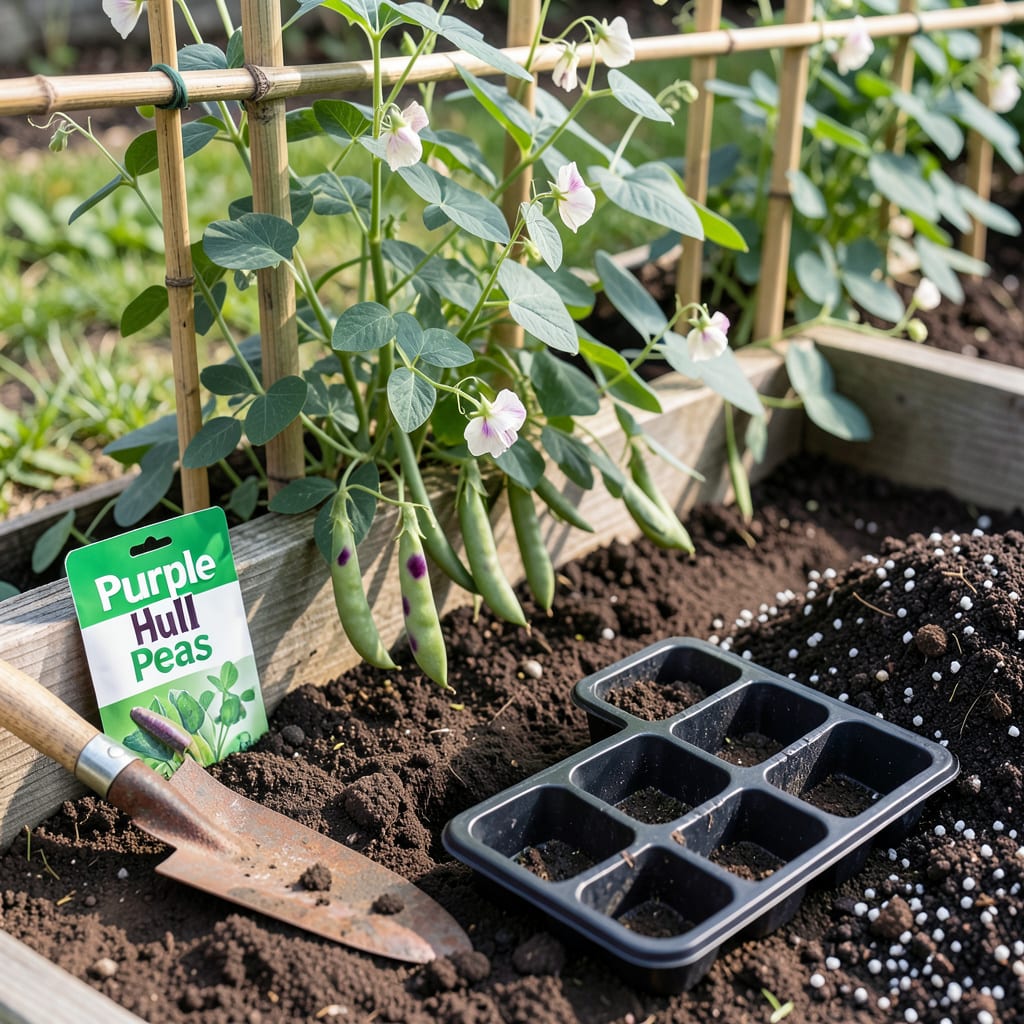
Texas gardeners know the struggle: plant your purple hull peas too soon, and a sneaky late frost might wipe them out. Wait too long, and the summer scorcher turns your tender vines into crispy disappointments. The difference between a bountiful harvest and a sad patch of dirt? Just a few well-timed weeks.
After years of battling Texas’ mood swings—from unexpected cold snaps to 100°F heatwaves—I’ve nailed down the exact planting windows that work. Whether you’re in the Piney Woods or the Hill Country, I’ll show you how to outsmart the weather and grow the plumpest pods of your life. Let’s get those 🌱 peas in the ground at just the right moment.
If you’ve ever wondered why your purple hull peas struggle in Texas, timing is likely the culprit. These heat-loving legumes thrive when planted after the last frost but before summer’s peak intensity. In most of Texas, that means waiting until soil temperatures hit 60°F—usually late March through early May.
But Texas isn’t one-size-fits-all. The Gulf Coast’s humidity and West Texas’ arid heat demand different approaches. Coastal gardeners can plant earlier (late February), while Panhandle growers should wait until mid-April to avoid late freezes. Let’s break it down by region.
*Adjust dates by 1–2 weeks based on microclimates and yearly weather patterns.
For all regions, soil temperature is your best guide. Use a soil thermometer to check 2–3 inches deep—60°F is the magic number. If you’re in a hurry, black plastic mulch can warm soil faster, but avoid planting in soggy conditions.
In South Texas, you can sneak in a fall crop if planted by late August. Further north, stick to spring plantings unless you’re using row covers to extend the season. Purple hull peas mature in 60–70 days, so time your planting to avoid the 100°F+ summer heat.
Pro tip: If you’re planting in clay-heavy soil (common in North and Central Texas), amend with compost to improve drainage. These peas hate “wet feet,” so raised beds or mounds can prevent root rot during sudden downpours.
For succession planting, stagger sowings every 2 weeks until early June. This ensures a steady harvest before the July heatwave shuts down production. Varieties like ‘Pinkeye Purple Hull’ tolerate heat better than others—ask your local nursery for regional favorites.
Remember, Texas weather is unpredictable. Keep an eye on the 10-day forecast before planting. If a late frost threatens, cover young plants with frost cloth (not plastic). Once temps hit 90°F+, peas may stop setting pods, so plan accordingly.
Finally, don’t forget to inoculate your seeds with rhizobium bacteria for better nitrogen fixation—especially important in Texas’ often-nutrient-poor soils. A little prep goes a long way for a bumper crop of plump, sweet peas.
Now that you’ve got the timing down, let’s talk soil prep in the next section—because even perfect planting dates won’t save peas in compacted, nutrient-deficient dirt! 🌱
Even with perfect timing, your purple hull peas can fail if you fall into these common Texas traps. I’ve seen gardeners lose entire crops to preventable errors—like planting in cold soil or ignoring our state’s finicky clay. Let’s fix that before you even pick up your trowel.
The biggest mistake? Ignoring soil temperature. Many Texans plant by the calendar instead of the thermometer. If your soil is below 60°F, seeds rot instead of sprouting. Coastal gardeners often plant too early in February, while North Texas growers rush in March—only to face late freezes.
Another harvest-killer: planting too deep. Purple hull peas need 1-inch depth max. Deeper planting delays germination, and shallow roots struggle in our drought-prone summers. If your soil crusts over, cover seeds with vermiculite to keep moisture even.
Don’t forget seed inoculation—especially in Texas soils. Our native bacteria often lack the rhizobium strains peas need. A $2 inoculant packet can double your yield by boosting nitrogen fixation. Skip this, and you’ll be fertilizing constantly to compensate.
Heat stress is the silent killer. When temps hit 90°F+, peas stop setting pods. Use 30% shade cloth in June/July to extend production. In West Texas, afternoon shade is non-negotiable—those 105°F days will fry unprotected vines.
Finally, watch for pests like cowpea curculios. These weevils lay eggs in pods, ruining your harvest. Row covers work early, but once flowers appear, switch to spinosad spray at dusk. Rotate planting locations yearly to break pest cycles.
Fix these mistakes, and you’ll sidestep 90% of Texas pea-growing frustrations. Next up: how to stretch your harvest with succession planting—because who wants just one batch of peas when you can have three? 🌿
Want fresh purple hull peas all summer long? Succession planting is your secret weapon against Texas’ short pea-growing window. Instead of one big harvest, you’ll get multiple waves of pods by staggering plantings every 2–3 weeks. Here’s how to make it work in our unpredictable climate.
The key is timing your final planting before summer heat shuts down production. In most of Texas, that means stopping new sowings by early June. Coastal gardeners can push to late June, while West Texas should wrap up by mid-May. Use a soil thermometer—if temps exceed 85°F at 2″ depth, hold off.
Start your first batch in early April, then plant new seeds every 14–21 days until June 1. Use shade cloth for late plantings to beat the heat. Varieties like ‘Mississippi Silver’ handle heat better for June sowings.
For fall crops in South and East Texas, start seeds in late August. Use row covers if nights dip below 50°F. I’ve had great luck with ‘Pinkeye Purple Hull’ for fall plantings—it matures in 60 days, just in time for cooler weather.
Here’s my foolproof method: plant 3 short rows every 2 weeks instead of one long row. This gives you rotational harvests and reduces pest pressure. Thin seedlings to 4–6 inches apart to prevent overcrowding, which worsens in our humid summers.
Don’t forget to renew your soil between plantings. Add a 1-inch layer of compost and a sprinkle of worm castings. This keeps nutrients flowing for later batches. In clay soil, mix in horticultural sand to improve drainage before each new planting.
For container gardeners, succession planting is even easier. Use 5-gallon buckets with drainage holes, and refresh the top 3 inches of soil between plantings. Keep containers in morning sun/afternoon shade during peak summer to prevent heat stress.
Remember: Texas weather loves to throw curveballs. If a heat dome moves in, pause planting until temps drop below 95°F. Your peas will thank you with sweeter, plumper pods all season long. 🌱
Purple hull peas thrive when soil reaches 60°F at 2-inch depth. Use a soil thermometer to check—planting in colder soil risks seed rot. In Texas, this typically happens late March through May, depending on your region.
Use 5-gallon containers with drainage holes and well-draining potting mix. Place in full sun (6+ hours daily) and water every 1-2 days in summer. Dwarf varieties like ‘Top Pick’ work best for small spaces.
Cover young plants with frost cloth (not plastic) when temps dip below 32°F. Remove covers by mid-morning to prevent overheating. In North Texas, keep cloth handy until mid-April—late frosts happen!
Harvest pods when they’re plump but still bright green—usually 60-70 days after planting. Pick every 2-3 days to encourage more production. Avoid overwatering, which dilutes flavor. The more you pick, the more they’ll produce!
