
Beautiful Plants For Your Interior
Beautiful Plants For Your Interior
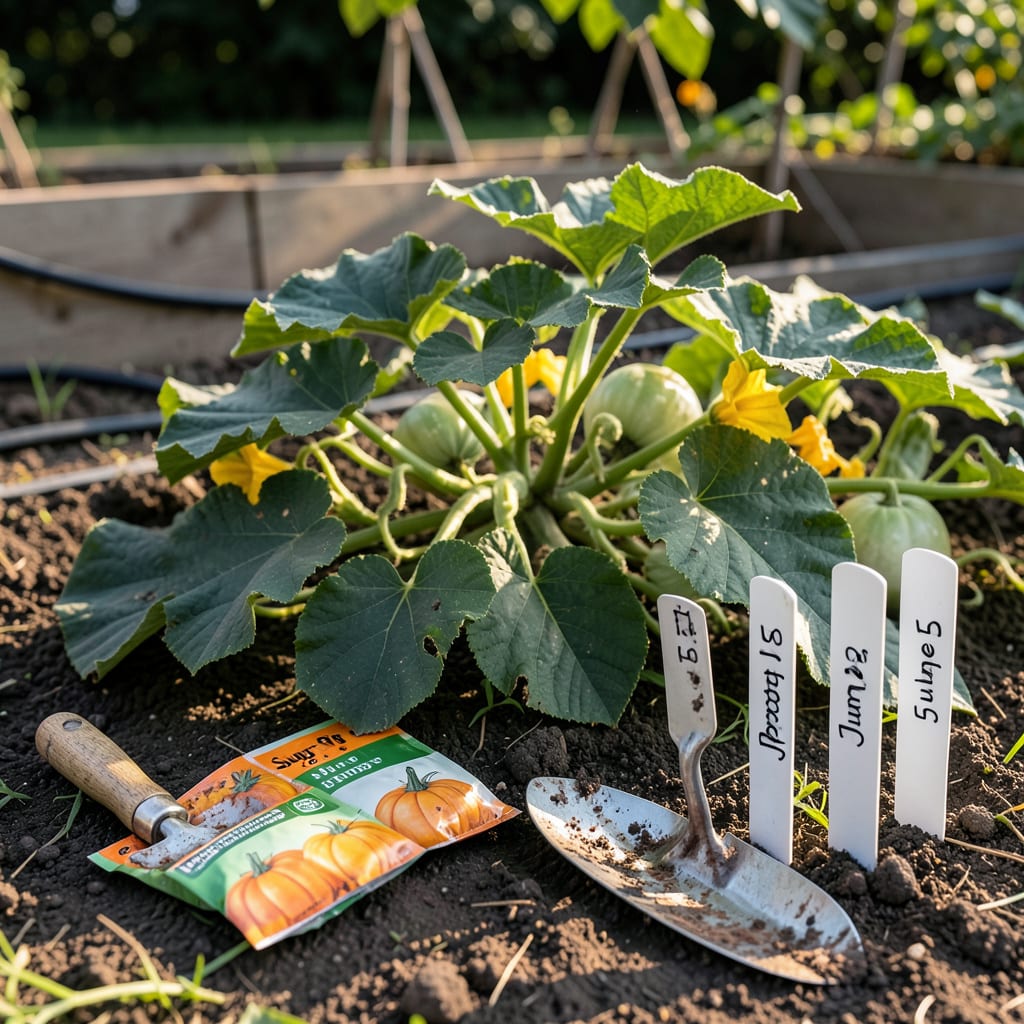
Wisconsin’s short growing season makes pumpkin planting a high-stakes game—get the timing wrong, and you’ll end up with frost-damaged vines or undersized 🎃. I’ve seen too many gardeners rush to plant in April, only to lose everything to a late freeze.
The difference between a bountiful harvest and disappointment comes down to just 2-3 weeks. Let me show you exactly when to plant in your part of Wisconsin, based on soil temps and frost dates, so you get vine-ripened pumpkins just in time for fall.
Wisconsin’s three USDA zones (3, 4, and 5) mean your pumpkin planting window shifts dramatically from Green Bay to Milwaukee. I’ve learned the hard way that soil temperature—not just calendar dates—dictates success. Aim for 60-70°F soil at 2-inch depth before sowing.
In southern Wisconsin (Zone 5), you can plant as early as mid-May, while northern areas (Zone 3) should wait until early June. Even then, microclimates matter—urban heat islands like Madison warm faster than rural fields near Lake Superior.
| Wisconsin Zone | Last Frost Date | Earliest Plant Date | Ideal Plant Window | Variety Recommendation |
|---|---|---|---|---|
| Zone 3 (Ashland, Superior) |
May 20–30 | June 5 | June 5–20 | Small Sugar (90 days) |
| Zone 4 (Green Bay, Wausau) |
May 10–20 | May 25 | May 25–June 10 | Howden (100 days) |
| Zone 5 (Milwaukee, Madison) |
May 1–10 | May 15 | May 15–30 | Jack-O’-Lantern (105 days) |
Pro Tip: Use a soil thermometer—don’t guess! Cold soil (<60°F) causes seeds to rot.
For early harvests, start seeds indoors 3-4 weeks before your zone’s plant date. Use biodegradable pots to avoid transplant shock. I swear by black plastic mulch to warm soil faster—it can buy you an extra week in Zone 3!
If you’re growing giant pumpkins (like ‘Atlantic Giant’), add 2-3 weeks to your timeline. These beasts need 120+ days to mature. In Zone 5, plant by May 10; in Zone 3, stick to smaller varieties or use row covers to extend the season.
Urban gardeners in Milwaukee or Madison can often plant 1 week earlier than rural areas thanks to the heat island effect. Test your soil temps—city plots frequently hit 60°F by early May, while country fields lag behind.
Watch the 10-day forecast before planting. If nights dip below 50°F, hold off or use floating row covers. Pumpkin seeds won’t germinate in cold soil, and seedlings stunt permanently if chilled. I lost a whole patch in Eau Claire by planting during a late May cold snap.
For Halloween-ready pumpkins, count backward from October 15. Most varieties need 90-100 days, so Zone 5 gardeners should plant by June 1, while Zone 3 needs seeds in the ground by May 25 (with row covers).
Don’t forget succession planting! For a steady supply, plant a second crop in early July (Zone 5 only). These won’t be giant, but ‘New England Pie’ pumpkins mature in 85 days and make perfect thanksgiving decorations.
Finally, mark your calendar for soil prep in early May. Work in 2-3 inches of compost and test pH (aim for 6.0-6.8). Pumpkins are heavy feeders—skipping this step means smaller fruits and weaker vines.
Wisconsin’s short growing season leaves no room for error when planting pumpkins. I’ve seen gardeners make costly mistakes that stunt growth or wipe out entire crops. The biggest culprit? Ignoring soil temperature—pumpkin seeds need 60°F minimum to germinate, or they’ll rot in cold, wet ground.
Another common blunder is overcrowding vines. Pumpkins sprawl 10-20 feet, and cramming plants too close leads to poor air circulation and powdery mildew. Give each hill 50-100 sq ft of space. Trust me, I learned this the hard way after my first pumpkin patch became a tangled, disease-ridden mess.
Many gardeners also misjudge watering in Wisconsin’s clay-heavy soil. Pumpkins need 1 inch of water weekly, but clay holds moisture longer. Stick your finger 2 inches deep—if it’s damp, wait to water. I drowned my first crop by following a generic “water daily” rule.
Fertilizer mistakes are another yield-killer. Pumpkins are heavy feeders, but too much nitrogen early on produces leafy vines with no fruit. Use a balanced 10-10-10 fertilizer at planting, then switch to low-nitrogen (5-10-10) when flowers appear. My best harvests came after I started side-dressing with compost tea every 3 weeks.
Pest neglect can destroy a patch overnight. Wisconsin’s squash bugs and cucumber beetles love pumpkins. I now handpick bugs daily in June and use kaolin clay spray as a barrier. For deer or rabbits, an 8-foot fence is non-negotiable—I lost half my crop to a hungry doe one year!
Finally, don’t forget to pollinate! Wisconsin’s cool, rainy summers often reduce bee activity. If you see female flowers (they have tiny fruits at the base) but no pumpkins forming, grab a paintbrush and transfer pollen from male to female flowers by hand. This simple trick saved my harvest during a wet July.
Wisconsin’s short growing season doesn’t have to limit your pumpkin harvest. With a few clever tricks, I’ve managed to squeeze out extra weeks on both ends of the season. The key is working with Wisconsin’s climate—not against it.
For earlier pumpkins, I always start seeds indoors 3-4 weeks before the last frost. Use biodegradable pots to avoid transplant shock, and keep seedlings under grow lights for 14-16 hours daily. This gives me a 3-week head start over direct sowing.
In northern Wisconsin (Zone 3), I rely on row covers to protect early plantings. These lightweight fabrics let in 70% of sunlight while shielding plants from frost down to 28°F. Just
For late-season pumpkins, choose fast-maturing varieties like ‘New England Pie’ (85 days) or ‘Baby Pam’ (90 days). Plant these by July 1 in Zone 5 or June 15 in Zone 4. I’ve had success with these even when planted as late as July 10 in Madison.
Black plastic mulch is my secret weapon for warming soil. Lay it down 2-3 weeks before planting to raise soil temps by 5-10°F. This trick lets me plant 1 week earlier in spring and keeps roots warmer in fall. Just cut X-shaped slits for seeds or transplants.
Don’t overlook microclimates in your yard. South-facing slopes or areas near brick walls stay warmer. I once grew pumpkins against my garage’s south wall and harvested 2 weeks earlier than my main patch. Use a soil thermometer to find these warm spots!
In Zone 5 (Milwaukee, Madison), aim for mid-May after the last frost date. Always check soil temperature—it should be at least 60°F at 2-inch depth. Planting too early risks seed rot in cold, wet soil.
Start seeds indoors 3-4 weeks before your last frost date. Use biodegradable pots to avoid transplant shock, and keep seedlings under grow lights for 14-16 hours daily. This gives you a 2-3 week advantage over direct sowing.
Use floating row covers to shield seedlings from unexpected frosts. These lightweight fabrics allow sunlight and water to pass through while protecting plants down to 28°F. Remove covers once temperatures consistently stay above 50°F at night.
Black plastic mulch is a game-changer! Lay it down 2-3 weeks before planting to raise soil temperature by 5-10°F. This trick lets you plant earlier and keeps roots warmer throughout the season.
For Zone 3, choose fast-maturing varieties like ‘Small Sugar’ (90 days). In Zone 5, you can grow larger types like ‘Howden’ (100 days) or ‘Jack-O’-Lantern’ (105 days). Always check the “days to maturity” on seed packets!
