
Beautiful Plants For Your Interior
Beautiful Plants For Your Interior
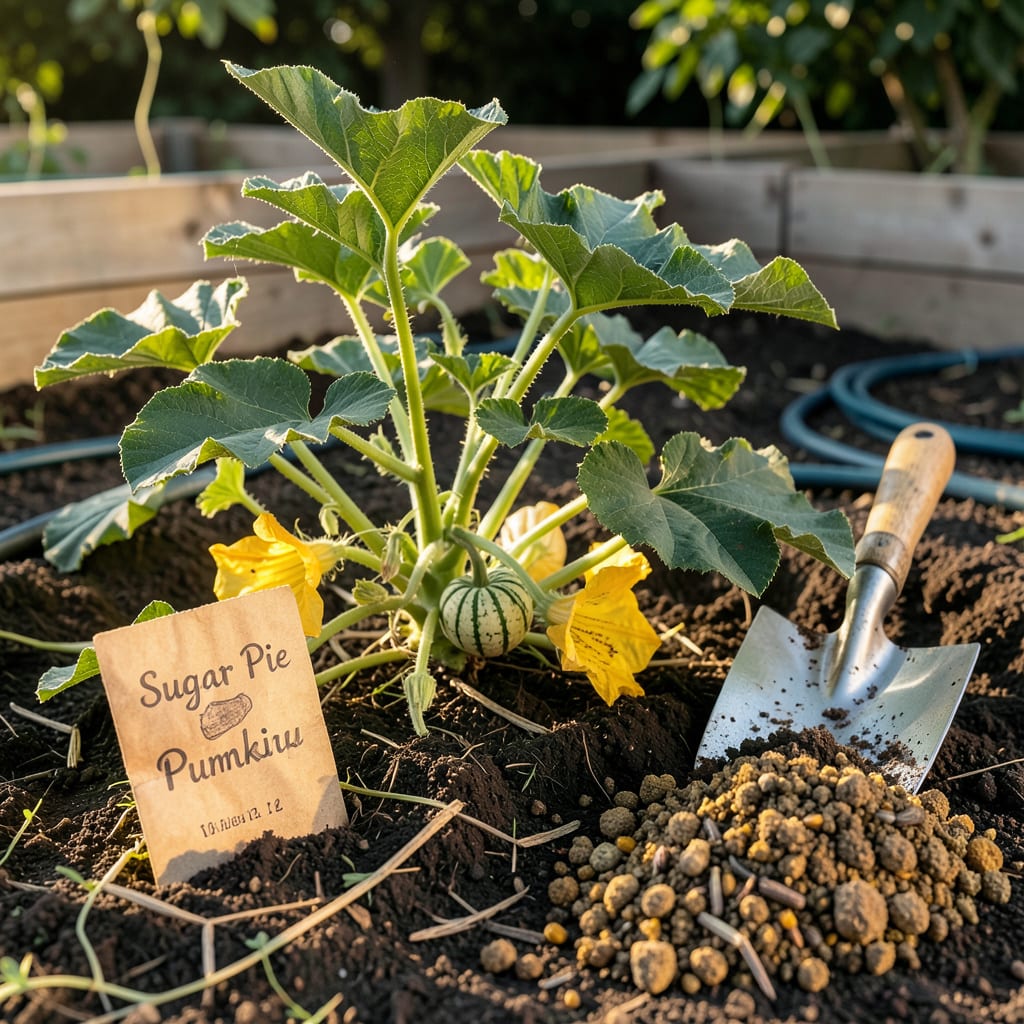
Timing can make or break your 🎃 pumpkin patch in Utah’s unpredictable climate. Plant too soon, and a late frost could wipe out your seedlings. Wait too long, and your pumpkins won’t mature before the first fall chill hits.
After years of testing what works in zone 6b, I’ve nailed down the perfect planting window. Whether you’re in Salt Lake City or St. George, I’ll show you exactly when to get those seeds in the ground for a harvest that’ll make your neighbors jealous this October.
Utah’s diverse climate means your pumpkin planting window varies dramatically depending on where you live. In northern Utah, you’re dealing with shorter growing seasons and cooler soil, while southern Utah gardeners enjoy warmer temperatures and longer frost-free periods.
The golden rule? Wait until soil temperatures hit at least 60°F—ideally 65°F—and all danger of frost has passed. For most of Utah, that means planting between late May and early June, but let’s break it down by region.
| Region | Last Frost Date | Ideal Planting Window | Soil Temp Threshold |
|---|---|---|---|
| Northern Utah (Salt Lake City, Ogden) | May 15 | May 20 – June 10 | 65°F+ |
| Central Utah (Provo, Heber) | May 10 | May 15 – June 5 | 60°F+ |
| Southern Utah (St. George, Cedar City) | April 15 | April 20 – May 15 | 60°F+ |
Pro Tip: Use a soil thermometer to check temps at 4-inch depth for accuracy.
If you’re gardening in high-altitude areas like Park City or the Wasatch Mountains, you’ll need to adjust later. I recommend waiting until early June when soil warms sufficiently. Urban gardeners in Salt Lake’s heat islands might sneak in an extra week earlier.
For fast-maturing varieties like ‘Sugar Pie’ (90 days) or ‘New England Pie’ (85 days), you can push your planting date about 7-10 days later than giant varieties. These smaller pumpkins are perfect for Utah’s shorter seasons in higher elevations.
Don’t forget about soil preparation—Utah’s clay-heavy soil needs amending. I mix in 2-3 inches of compost and use raised beds to improve drainage. This helps warm the soil faster in spring, giving you a head start on planting.
If you’re eager to get a jump on the season, consider black plastic mulch. It can raise soil temperatures by 5-10°F, allowing you to plant up to 2 weeks earlier in cooler regions. Just be sure to remove it once vines start spreading.
Remember that pumpkins need 75-100 days to mature. Count backward from your expected first frost date (around October 15 for most areas) to determine your latest safe planting date. In Salt Lake, that means no later than June 10 for standard varieties.
For those in southern Utah, your longer season allows for succession planting. Try a second crop of small pumpkins in early July for a late harvest. Just be prepared to protect them from intense summer heat with shade cloth during peak afternoon hours.
No matter where you garden in Utah, always harden off seedlings for 5-7 days before transplanting. Our spring winds can be brutal on tender plants. I use a simple cold frame made from PVC and plastic sheeting for extra protection during those first critical weeks.
Finally, keep an eye on the 10-day forecast before planting. If nighttime temps are still dipping below 50°F, hold off a bit longer. Pumpkins thrive in warmth, and patience at planting time always pays off with bigger, healthier fruits come fall. 🎃
Even experienced Utah gardeners can sabotage their pumpkin harvest with simple oversights. The most common mistake I see? Planting too early in our unpredictable spring weather. Utah’s late frosts can strike well into May, and pumpkins are extremely frost-sensitive.
Another frequent issue is ignoring soil temperature. Many gardeners focus only on air temperature, but pumpkin seeds need soil temps above 60°F to germinate properly. Cold soil leads to poor germination and weak seedlings that struggle all season.
Quick Fix: Use a soil thermometer and choose varieties with 90-day maturity or less.
Many Utah gardeners also underestimate our short growing season, especially in higher elevations. I’ve seen disappointed gardeners plant ‘Atlantic Giant’ varieties in Park City, only to have them freeze before maturing. Stick to fast-maturing varieties like ‘Early Giant’ or ‘New England Pie’ for reliable results.
Soil preparation is another area where Utah gardeners often cut corners. Our native soil is heavy clay that drains poorly and warms slowly. I recommend creating raised mounds at least 12 inches high and mixing in 30% compost and 10% sand to improve structure and drainage.
Watering mistakes are particularly common in our arid climate. While it’s tempting to water daily, pumpkins prefer deep, infrequent watering. Aim for 1-1.5 inches per week, delivered in 2-3 sessions. Use drip irrigation to keep foliage dry and prevent powdery mildew, which thrives in Utah’s dry heat.
Finally, don’t overlook wind protection in your pumpkin patch. Utah’s spring winds can damage young plants and dry out soil quickly. I use windbreaks made from burlap or plant my pumpkins near a south-facing fence. This also creates a warmer microclimate that can extend your growing season by 1-2 weeks.
Remember that pumpkin vines are heavy feeders. Many Utah gardeners forget to fertilize after planting. I apply a balanced 10-10-10 fertilizer when vines start running, then switch to a low-nitrogen 5-10-10 when fruits begin forming. This prevents excessive vine growth at the expense of pumpkin development.
By avoiding these common mistakes and adjusting for Utah’s unique conditions, you’ll be well on your way to a spectacular pumpkin harvest. The key is working with our climate rather than against it – and always having a backup plan for those unpredictable Utah weather swings! 🎃
Utah’s growing season can feel frustratingly short, especially when you’re dreaming of giant pumpkins. The secret? Choosing fast-maturing varieties that thrive in our 150-day frost-free window. After testing dozens of cultivars, I’ve found the best performers for Utah gardens.
For high-altitude gardeners in Park City or the Wasatch Back, focus on varieties that mature in 85-90 days. These compact powerhouses deliver full-sized pumpkins before that first October frost sneaks in. Let’s compare the top contenders for Utah’s unique climate.
| Variety | Days to Maturity | Size | Best For | Disease Resistance |
|---|---|---|---|---|
| Sugar Pie | 90 days | 4-6 lbs | Pie making | High (PM) |
| New England Pie | 85 days | 3-5 lbs | Pies & decor | Moderate |
| Early Giant 450 | 95 days | 20-40 lbs | Carving | High (PM, VM) |
| Jack Be Little | 80 days | 1 lb | Mini decor | Very High |
| Cinderella’s Carriage | 90 days | 10-15 lbs | Unique decor | Moderate |
Key: PM = Powdery Mildew, VM = Vine Mildew
For southern Utah gardeners in St. George or Cedar City, you have more flexibility with 100-day varieties. I recommend ‘Howden’ for classic jack-o’-lanterns or ‘Connecticut Field’ for larger carving pumpkins. These perform well in our hot summers when planted in early April.
If you’re dealing with powdery mildew (a common Utah problem), ‘Jack Be Little’ and ‘Sugar Pie’ show excellent resistance. Their smaller size also means they require less space, perfect for urban gardens. For best results, plant these in raised beds with plenty of air circulation.
For those who love giant pumpkins but have short seasons, ‘Early Giant 450’ offers a compromise. While not as massive as Atlantic Giants, they still produce impressive 20-40 lb fruits in just 95 days. Use black plastic mulch to warm soil and extend your growing window.
Remember that seed starting can give you a 2-3 week head start. I begin my pumpkin seeds indoors in peat pots about 3 weeks before transplanting. This works particularly well for slower-growing varieties in cooler Utah regions. Just be careful not to disturb roots when transplanting.
No matter which variety you choose, proper spacing is crucial. Give vines 50-100 sq ft per plant for optimal growth. In small spaces, try trellising smaller varieties like ‘Jack Be Little’ – they’ll produce straight pumpkins when grown vertically! 🎃
For areas like Salt Lake City and Ogden, wait until May 20 at the earliest. Soil temps need to reach 65°F consistently, which typically happens 2-3 weeks after the last frost (around May 15).
Using black plastic mulch can help warm soil faster, potentially allowing planting 1-2 weeks earlier. Always check with a soil thermometer first.
Yes, but pumpkins dislike root disturbance. Start seeds in biodegradable peat pots 2-3 weeks before transplanting. This works best for cooler regions like Park City where the growing season is shorter.
Keep seedlings under grow lights for 12-14 hours daily and maintain soil temps at 70-80°F for best results. Harden off plants for 5-7 days before moving outdoors.
Use burlap windbreaks or plant near a south-facing fence to shield seedlings. Utah’s spring winds can dry out soil quickly and damage tender leaves.
For extra protection, create a simple cold frame using PVC pipes and plastic sheeting. Remove it once vines start spreading to prevent overheating.
In most of Utah, plant by June 10 for standard varieties. Count backward from October 15 (average first frost) and subtract your variety’s days to maturity.
For fast-maturing types like ‘Jack Be Little’ (80 days), you can plant as late as July 1 in southern Utah. Northern gardeners should stick to early June for reliable results.
