
Beautiful Plants For Your Interior
Beautiful Plants For Your Interior
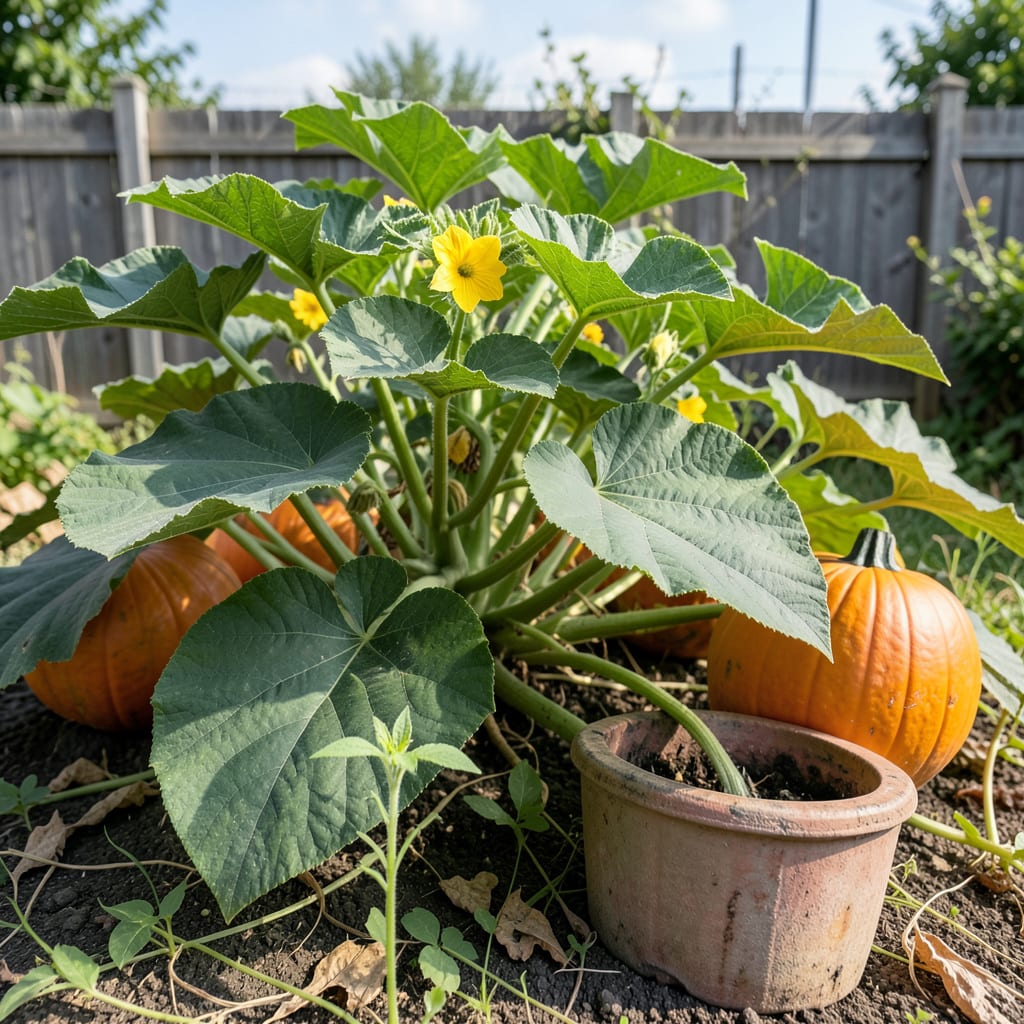
Growing pumpkins 🎃 in Texas can be a rewarding experience if you time it just right. The key is to plant at the perfect moment to beat the heat and enjoy a bountiful harvest come fall.
In Texas, particularly in zone 8b, the ideal time to plant pumpkins is in late spring to early summer, after the last frost date, ensuring optimal growth and a successful harvest.
When it comes to planting pumpkins in Texas, timing is everything. The state’s vast geography means that the ideal planting time varies significantly across different regions. Understanding these regional differences is crucial for a successful harvest 🎃.
Texas spans multiple climate zones, with the northern parts experiencing colder winters and shorter growing seasons compared to the southern regions. This variability affects when you should plant pumpkins to ensure they have enough time to mature before the first frost.
The ideal planting window for pumpkins in Texas generally falls between late April and early June, depending on the region. For northern Texas, it’s best to plant in late May to early June, while central Texas should aim for early to mid-May, and southern Texas can plant as early as late April to early May.
These regional planting times are designed to ensure that pumpkin vines have enough time to grow and produce fruit before the first frost, which can damage or destroy the crop. In Texas, the first frost date varies from around November 15 in the north to December 15 or later in the southern parts. 🌟.
By planting at the right time for your specific region, you can maximize your chances of a bountiful pumpkin harvest. This regional approach to pumpkin planting is just the first step in ensuring a successful crop.
Next, we’ll explore the critical factors that can affect pumpkin planting success in Texas, including soil temperature, frost dates, variety selection, and moisture management.
Regional climate variations play a significant role in determining the best planting time. Understanding these variations is key to optimizing your pumpkin crop.
For example, the last frost date is a critical factor in deciding when to plant pumpkins. In Texas, this date ranges from March 15 in the south to April 15 in the north.
By considering these regional differences and planning accordingly, you can give your pumpkin vines the best possible start, leading to a healthy and productive harvest.
As we move forward, it’s essential to consider the various factors that can impact pumpkin planting success in Texas, ensuring that you’re well-prepared for a successful harvest.
Proper planning and attention to regional specifics can make all the difference in growing a successful pumpkin crop in Texas.
With the right timing and knowledge, you can enjoy a bountiful harvest of delicious and healthy pumpkins, perfect for any occasion 🎃.
When planting pumpkins in Texas, several critical factors can make or break your harvest. Understanding these elements is essential for achieving a bountiful crop 🎃.
The first factor to consider is soil temperature. Pumpkins thrive in warm soil, typically above 60°F (15°C). In Texas, soil temperatures usually reach this threshold in late spring, making it the ideal time to plant.
Be mindful of frost dates when planting pumpkins in Texas. The last frost date varies by region, ranging from March 15 in southern Texas to April 15 in northern Texas.
Frost dates are another crucial consideration. Planting too early can expose your pumpkin vines to damaging frosts, while planting too late may not give them enough time to mature before the first fall frost.
Variety selection is also vital. Choose pumpkin varieties that are well-suited to Texas’s climate and have a maturation period that fits within the state’s growing season. Most pumpkin varieties take between 90 to 120 days to mature.
Moisture management is critical for pumpkin success. Pumpkins need consistent moisture, especially when they’re producing fruit. Texas’s hot summers can be challenging, so ensure you have a plan for adequate watering.
By understanding and managing these key factors, you can significantly improve your chances of a successful pumpkin harvest in Texas. Proper planning and attention to these details will help you grow healthy and productive pumpkin vines 🌟.
As you prepare to plant your pumpkins, remember that the right combination of warm soil, appropriate variety, and careful moisture management will be your best ally in achieving a bountiful harvest.
With these considerations in mind, you’ll be well on your way to growing a successful pumpkin crop in Texas, ready for Halloween or Thanksgiving celebrations 🎃.
The next step is to explore practical tips for maximizing your Texas pumpkin harvest, including advice on planting depth, spacing, fertilization, and pest management.
When planting pumpkins in Texas, several critical factors can make or break your harvest. Understanding these elements is essential for achieving a bountiful crop 🎃.
The first factor to consider is soil temperature. Pumpkins thrive in warm soil, typically above 60°F (15°C). In Texas, soil temperatures usually reach this threshold in late spring, making it the ideal time to plant.
Be mindful of frost dates when planting pumpkins in Texas. The last frost date varies by region, ranging from March 15 in southern Texas to April 15 in northern Texas.
Frost dates are another crucial consideration. Planting too early can expose your pumpkin vines to damaging frosts, while planting too late may not give them enough time to mature before the first fall frost.
Variety selection is also vital. Choose pumpkin varieties that are well-suited to Texas’s climate and have a maturation period that fits within the state’s growing season. Most pumpkin varieties take between 90 to 120 days to mature.
Moisture management is critical for pumpkin success. Pumpkins need consistent moisture, especially when they’re producing fruit. Texas’s hot summers can be challenging, so ensure you have a plan for adequate watering.
By understanding and managing these key factors, you can significantly improve your chances of a successful pumpkin harvest in Texas 🌟.
As you prepare to plant your pumpkins, remember that the right combination of warm soil, appropriate variety, and careful moisture management will be your best ally in achieving a bountiful harvest.
With these considerations in mind, you’ll be well on your way to growing a successful pumpkin crop in Texas, ready for Halloween or Thanksgiving celebrations 🎃.
The next step is to explore practical tips for maximizing your Texas pumpkin harvest.
Pumpkins thrive in warm soil, typically above 60°F (15°C). In Texas, soil temperatures usually reach this threshold in late spring, making it the ideal time to plant. Ensure your soil has warmed up before planting for optimal growth .
The last frost date varies by region in Texas, ranging from March 15 in southern Texas to April 15 in northern Texas. Check with local gardening resources or your county extension office for specific dates in your area .
Pumpkins need consistent moisture, especially when producing fruit. Water deeply once or twice a week, depending on weather conditions. Consider using drip irrigation or soaker hoses to deliver water directly to the roots .
Most pumpkin varieties take between 90 to 120 days to mature. Choose varieties that fit within Texas’s growing season, and plan your planting accordingly to ensure a bountiful harvest by Halloween or Thanksgiving .
