
Beautiful Plants For Your Interior
Beautiful Plants For Your Interior
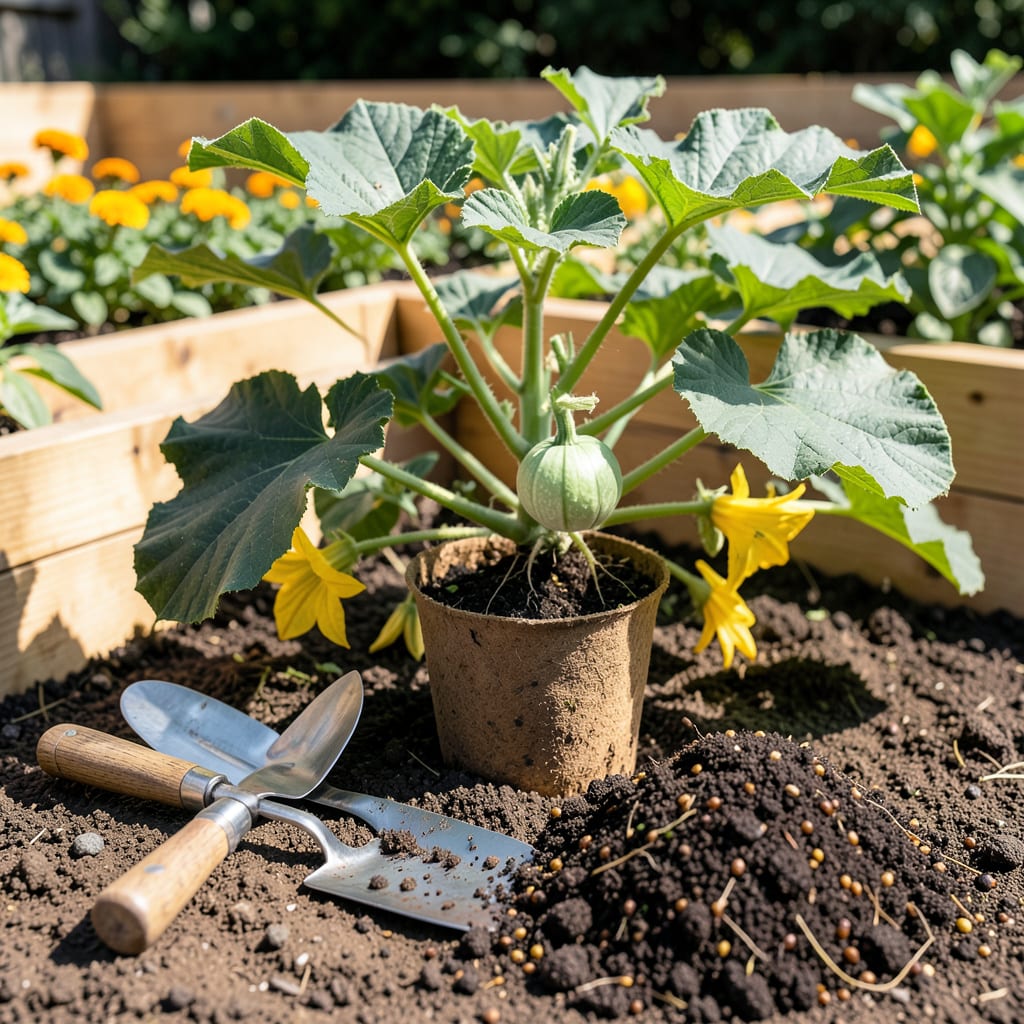
Timing can make or break your 🎃 pumpkin patch in South Carolina’s unpredictable climate. Plant too early, and a late frost might wipe out your seedlings. Wait too long, and the summer heat could stunt your harvest before it even begins.
After years of testing what works in our humid, zone-8a conditions, I’ve nailed down the perfect window for South Carolina growers. Let me show you exactly when to get those seeds in the ground—and how to set yourself up for a bountiful fall harvest.
South Carolina’s diverse climate means your pumpkin planting window depends on where you live. In the Upstate (Zone 7b), you’ll want to plant later than gardeners in the Coastal Plain (Zone 8b-9a). The key is waiting until soil temperatures hit at least 60°F—cold soil stunts growth.
For most of SC, mid-April is the sweet spot, about 2-3 weeks after the last frost. But if you’re in Charleston or Hilton Head, you can start as early as late March. I always check my soil with a thermometer—it’s the surest way to avoid disappointment.
| Region | USDA Zone | Planting Window | Last Frost Date |
|---|---|---|---|
| Upstate | 7a-7b | April 15 – May 1 | April 10 |
| Midlands | 8a | April 1 – April 15 | March 25 |
| Coastal Plain | 8b-9a | March 15 – March 30 | March 10 |
If you’re eager to get a head start, use black plastic mulch to warm the soil faster. I’ve found this trick can let me plant 7-10 days earlier in cooler areas. Just lay it down 2-3 weeks before planting to trap heat.
For early varieties like ‘Jack Be Little’ (maturing in 85 days), you can push the envelope and plant in late March if you’re in Zone 8+. But larger pumpkins like ‘Howden’ need 100+ days, so stick to April plantings to avoid summer heat stress.
Don’t forget to check the 10-day forecast before planting. A late cold snap can devastate young pumpkin vines. I once lost an entire patch to a surprise 38°F night in early April—lesson learned!
Soil prep matters too. Work in 2-3 inches of compost and aim for a pH of 6.0-6.8. Pumpkins are heavy feeders, so I mix in a balanced fertilizer (10-10-10) at planting time. This gives them the nutrients they need for rapid early growth.
If you’re in the Piedmont region, watch for drainage issues. Our clay-heavy soil can stay soggy after rains. I recommend raised beds or mounding soil into 12-inch-high hills to improve drainage and warm the roots faster.
For coastal gardeners, the bigger challenge is often sandy soil that drains too quickly. Amend with peat moss or coconut coir to help retain moisture. And don’t skimp on mulch—straw or pine needles work well to conserve water in our hot summers.
Remember, pumpkins need full sun (6+ hours daily) and plenty of space. Vines can spread 10-20 feet, so plan accordingly. I like to plant mine along the edge of my garden where they can sprawl without crowding other crops.
Finally, keep an eye on the long-range forecast. If we’re expecting a particularly hot summer (which happens often in SC), consider providing afternoon shade for your plants. A little protection from 90°F+ temps can make a big difference in fruit set.
South Carolina’s long growing season gives us a unique advantage—we can harvest pumpkins from summer through fall with the right strategy. The key is succession planting, where you stagger plantings of early and late varieties to spread out your harvest window.
Start with fast-maturing varieties like ‘Jack Be Little’ (85 days) in early March for summer pumpkins, then follow with ‘Howden’ (110 days) in late April for classic fall jack-o’-lanterns. This way, you’ll avoid the mid-summer slump when pests peak.
💡 Tip: Use raised beds in low-lying areas to avoid waterlogged soil after SC’s summer storms.
To beat the squash vine borer—SC’s #1 pumpkin pest—wrap aluminum foil around stems at planting. This creates a physical barrier while letting the plant grow. For powdery mildew, space vines 5–6 feet apart and water at the base to keep foliage dry.
If you’re aiming for giant pumpkins (like ‘Dill’s Atlantic’), start seeds indoors in February and transplant in late March. These need 120+ days to mature, so timing is critical. Use black plastic mulch to warm soil faster in early spring.
Don’t forget pollinators! SC’s humidity can make pollen sticky, so hand-pollinate in early morning when flowers open. Use a small paintbrush to transfer pollen from male to female blooms—this boosts fruit set when bees are less active.
Finally, mulch heavily with straw to retain moisture during our July–August droughts. Pumpkins need 1–2 inches of water weekly, so drip irrigation works best. With these tricks, you’ll harvest pumpkins from July through November—no green thumb required! 🪴
South Carolina’s humid subtropical climate creates unique challenges for pumpkin growers. One of the biggest mistakes I see is planting in soggy soil after our heavy spring rains. Pumpkins hate “wet feet,” and waterlogged roots lead to rot and stunted growth before vines even get established.
Another common error is ignoring pollinators during our sticky summer humidity. When pollen gets damp, bees avoid flowers, leaving your pumpkins poorly pollinated. The fix? Hand-pollinate with a small paintbrush in early morning when blooms are fresh and pollen is dry.
💡 Pro Tip: Test soil moisture with your finger—if the top inch is dry, it’s time to water.
Many gardeners also misjudge maturity times. A 100-day variety planted in May won’t mature before our first fall frost (November 15 in most zones). Stick to the timeline: early March for 85-day varieties, mid-April for 100+ day types.
Don’t overlook vine borers—they’re rampant in SC! Wrap aluminum foil around stems at planting to block egg-laying. If you spot sawdust-like frass near the base, slit the stem and remove the larva immediately. I lost half my crop one year before learning this trick.
Finally, avoid planting in the same spot yearly. Our warm winters let soil-borne diseases persist. Rotate crops and solarize beds with clear plastic for 4-6 weeks before planting to kill pathogens. With these fixes, you’ll sidestep the most common SC pumpkin problems and set yourself up for a healthy, heavy harvest! 🎃
Only if you’re starting seeds indoors for giant varieties. Direct outdoor planting in February is risky—even in Zone 8—because soil temps are usually below the required 60°F. Wait until late March for coastal areas or mid-April inland.
Late planting risks heat stress during flowering, which reduces fruit set. Pumpkins need 75-100 days to mature, so planting after May 1 may leave fruit unripe before first frost (November 15 in most zones).
Use floating row covers or plastic cloches if frost threatens after planting. Remove covers during the day to prevent overheating. For unexpected cold snaps, water plants thoroughly before sunset—moist soil retains heat better.
Opt for disease-resistant varieties like ‘Cinderella’, ‘Semillas’, or ‘Howden’. These tolerate our high humidity and resist common SC pests like squash vine borers. ‘Lumina’ (white pumpkins) also performs well in our climate.
Provide 1-2 inches weekly, increasing to every 2-3 days during droughts. Use drip irrigation to keep foliage dry and prevent mildew. Water deeply in early morning to reduce evaporation.
