
Beautiful Plants For Your Interior
Beautiful Plants For Your Interior
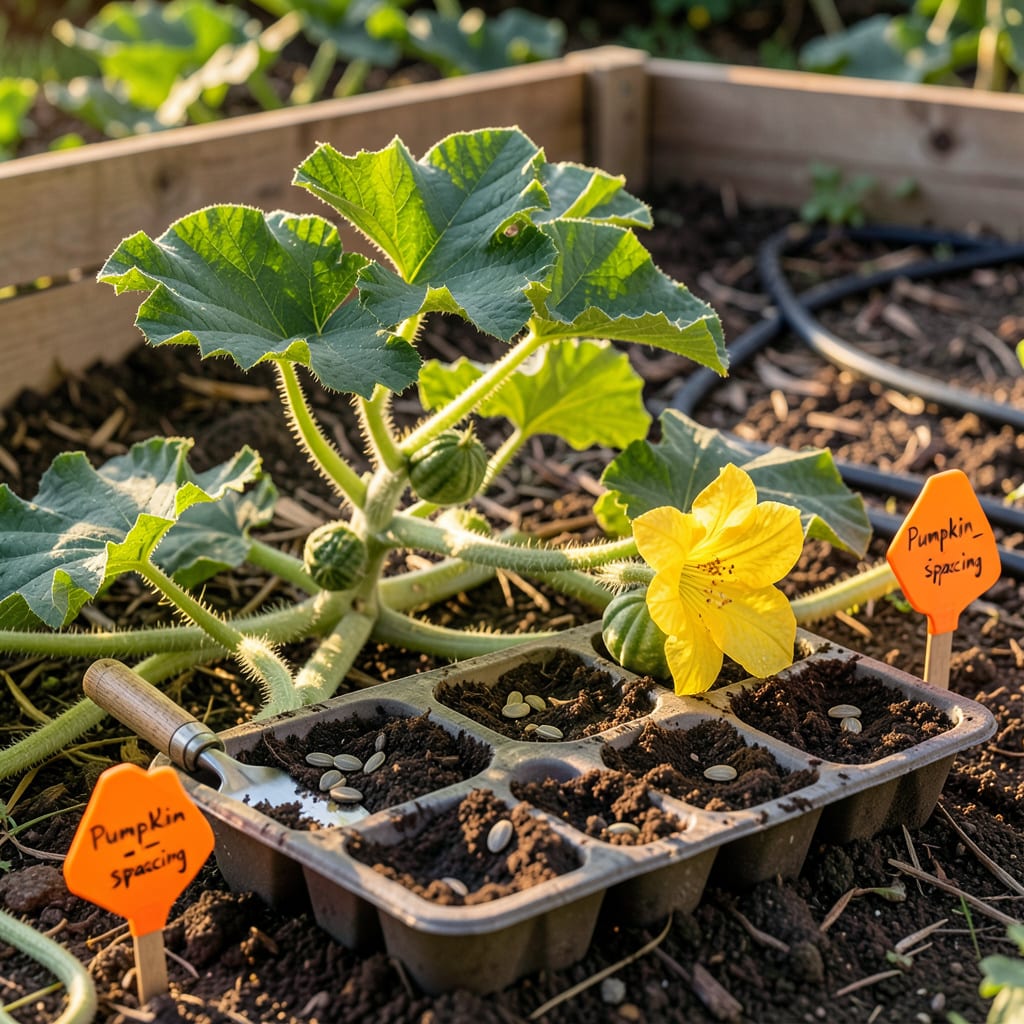
Dreaming of a porch full of perfect 🎃 pumpkins this fall? In Oklahoma, timing isn’t just important—it’s everything. Plant too soon, and a late frost could wipe out your seedlings. Wait too long, and your pumpkins won’t mature before Halloween.
I’ve spent years testing the ideal windows for Oklahoma’s unpredictable climate, and I’ll cut through the guesswork for you. Whether you’re in Tulsa or the panhandle, you’ll learn the exact months to plant for a harvest that’ll make your neighbors jealous. Let’s get it right the first time.
If you’ve ever wondered why your neighbor’s pumpkins thrive while yours struggle, the answer often boils down to one thing: timing. Oklahoma’s USDA zones (6a-8a) each have unique frost dates and soil warm-up periods that can make or break your harvest. I’ll break down the exact planting windows for your zone.
In Zone 6a (panhandle), you’ll want to plant May 1–15—after the last frost (typically April 20). Central Oklahoma (Zone 7a) gardeners should aim for April 15–30, while Zone 8a (southeast) can start as early as April 1 if soil temps cooperate.
| Zone | Last Frost Date | Planting Window | Soil Temp Goal | Days to Maturity |
|---|---|---|---|---|
| 6a (Panhandle) | April 20 | May 1–15 | 65°F+ | 100–120 days |
| 7a (OKC/Tulsa) | April 15 | April 15–30 | 60°F+ | 90–110 days |
| 8a (SE Oklahoma) | April 1 | April 1–15 | 60°F+ | 85–100 days |
Pro Tip: Use a soil thermometer to confirm temps—don’t guess!
For early varieties like ‘Early Giant’ (90 days), you can push planting 7–10 days earlier in Zones 7a-8a. But if you’re growing heirloom giants (120+ days), stick to the later end of your zone’s window to avoid frost damage before harvest.
Soil prep matters just as much as timing. In Oklahoma’s clay-heavy soil, work in 3–4 inches of compost and test pH (aim for 6.0–6.8). I like to plant in raised mounds (12–18 inches tall) to improve drainage and warm soil faster.
Watch the 10-day forecast before planting. If nighttime temps will dip below 50°F, hold off—cold snaps stunt seedlings. Use black plastic mulch to warm soil 2–3 weeks earlier if you’re eager to get started.
For successive plantings, try a second crop in early July (Zones 7a-8a only). Choose fast-maturing varieties like ‘Jack Be Little’ (85 days) and be ready to protect vines from squash bugs with row covers.
Remember: Oklahoma’s first frost hits around October 15 in most zones. Count backward from that date using your variety’s days to maturity to pick the perfect planting window. When in doubt, OSU Extension’s planting calculator is a lifesaver.
I always mark my calendar for June 1—that’s when I start scanning vines for female flowers (the ones with tiny pumpkins at the base). Hand-pollinating with a paintbrush boosts fruit set, especially in our humid summers when bees get lazy.
By following these zone-specific guidelines, you’ll avoid the heartbreak of rotten seeds or unripe pumpkins at Halloween. Next up: Let’s talk about the best varieties that thrive in Oklahoma’s heat and humidity.
🎃Oklahoma’s climate can be a pumpkin’s best friend—or its worst enemy. I’ve seen too many gardeners lose their crop to simple, avoidable mistakes. The biggest? Ignoring soil temperature. Pumpkins need 60°F+ soil to germinate, and our spring swings can trick you into planting too early.
Another common blunder? Skipping soil prep. Oklahoma’s clay-heavy soil suffocates pumpkin roots unless amended with compost or sand. And don’t get me started on overwatering seedlings—our humid summers make rot a real risk if you’re not careful.
Fix it: Test soil with a thermometer, space plants 4–5 ft apart, and use ‘Cinderella’ or ‘Oklahoma’ varieties bred for our heat.
Here’s one I see every year: planting during monsoon season. July and August’s heavy rains invite powdery mildew and root rot. If you must plant mid-summer, choose a drought-tolerant variety like ‘Early Giant’ and use raised beds for drainage.
Then there’s the companion plant mistake. Pumpkins love corn and beans, but planting them near potatoes invites pests. I always tuck in nasturtiums to repel squash bugs—it’s a game-changer for organic gardeners.
Finally, don’t assume all pumpkins thrive here. Store-bought seeds (like those from carving pumpkins) often fail in our heat. Stick to Oklahoma-proven varieties from local nurseries or OSU Extension’s recommended lists.
Want to sidestep these issues? Start with a soil test (OSU offers free kits!), plant after April 15 in central OK, and mulch heavily to regulate moisture. Your future jack-o’-lanterns will thank you.
Pro tip: Keep a gardening journal! Note when you plant, first sprouts, and pests spotted. Next year, you’ll have a customized Oklahoma pumpkin calendar tailored to your microclimate.
Not all pumpkins are created equal—especially in Oklahoma’s scorching summers and short fall season. After testing dozens of varieties, I’ve narrowed it down to the top performers that laugh at our heat, shrug off powdery mildew, and still ripen before Halloween. Here’s your cheat sheet for Oklahoma-proof pumpkins.
For carving classics, you can’t beat ‘Howden’—it’s disease-resistant and matures in 100 days. But if you want something unique, ‘Cinderella’ (aka ‘Rouge Vif d’Etampes’) thrives in our heat and delivers stunning red-orange fruit in just 95 days. Both handle Oklahoma’s clay soil like champs.
| Variety | Days to Maturity | Heat Tolerance | Best For | Size |
|---|---|---|---|---|
| Howden | 100 days | High | Carving | 20-25 lbs |
| Cinderella | 95 days | Very High | Ornamental | 10-15 lbs |
| Early Giant | 90 days | Medium | Quick harvest | 15-20 lbs |
| Oklahoma | 105 days | Very High | All-purpose | 18-22 lbs |
| Jack Be Little | 85 days | High | Mini decor | 1 lb |
Pro Tip: For drought-prone areas, ‘Oklahoma’ and ‘Cinderella’ outperform others in water-stressed conditions.
If you’re in western Oklahoma, where drought is a constant threat, ‘Oklahoma’ (yes, it’s named for our state!) is your best bet. Its deep root system handles dry spells better than most. For eastern Oklahoma’s humidity, ‘Howden’ resists powdery mildew like a pro.
Want giant pumpkins? Try ‘Big Max’ (120 days), but start seeds indoors in April to get a head start. Just be prepared to hand-pollinate—our summer heat can reduce bee activity. I use a paintbrush to transfer pollen between flowers, and it boosts fruit set every time.
For small-space gardeners, ‘Jack Be Little’ is a dream. These mini pumpkins (1 lb each) mature in just 85 days and fit perfectly on apartment balconies. Plant them in 5-gallon containers with a trellis for vertical growth—just watch for squash vine borers in July.
Remember: Oklahoma’s first frost usually hits by October 15. Always choose varieties with days to maturity that fit your zone’s growing season. When in doubt, OSU Extension’s variety trials are a goldmine for localized recommendations. Now go pick your winner and get planting! 🎃
For Zone 7a (OKC/Tulsa), aim to plant by May 1 at the latest. This gives most varieties enough time to mature before the first frost around October 15. If you’re growing fast-maturing types like ‘Jack Be Little’, you can push it to early June.
Yes, but timing is critical! Start seeds indoors 3–4 weeks before your last frost date (around March 15–April 1 for most zones). Use biodegradable pots to avoid root shock when transplanting. Harden off seedlings for 7–10 days before moving them outside.
Cover young plants with frost blankets or plastic cloches if temps dip below 50°F. For extra warmth, add a layer of straw mulch around the base. In the panhandle (Zone 6a), wait until May 1 to plant unless you’re prepared to cover plants nightly.
Planting too early in our unpredictable spring! Many lose seedlings to late frosts or cold snaps. Always check soil temperature—it must be 60°F+ at 4-inch depth. A $10 soil thermometer saves more crops than you’d think!
Choose compact varieties like ‘Jack Be Little’ and use 5-gallon containers with drainage holes. Place in full sun (6+ hours daily) and water every 2–3 days—containers dry out faster than ground soil. Add a small trellis to save space and improve air circulation.
