
Beautiful Plants For Your Interior
Beautiful Plants For Your Interior
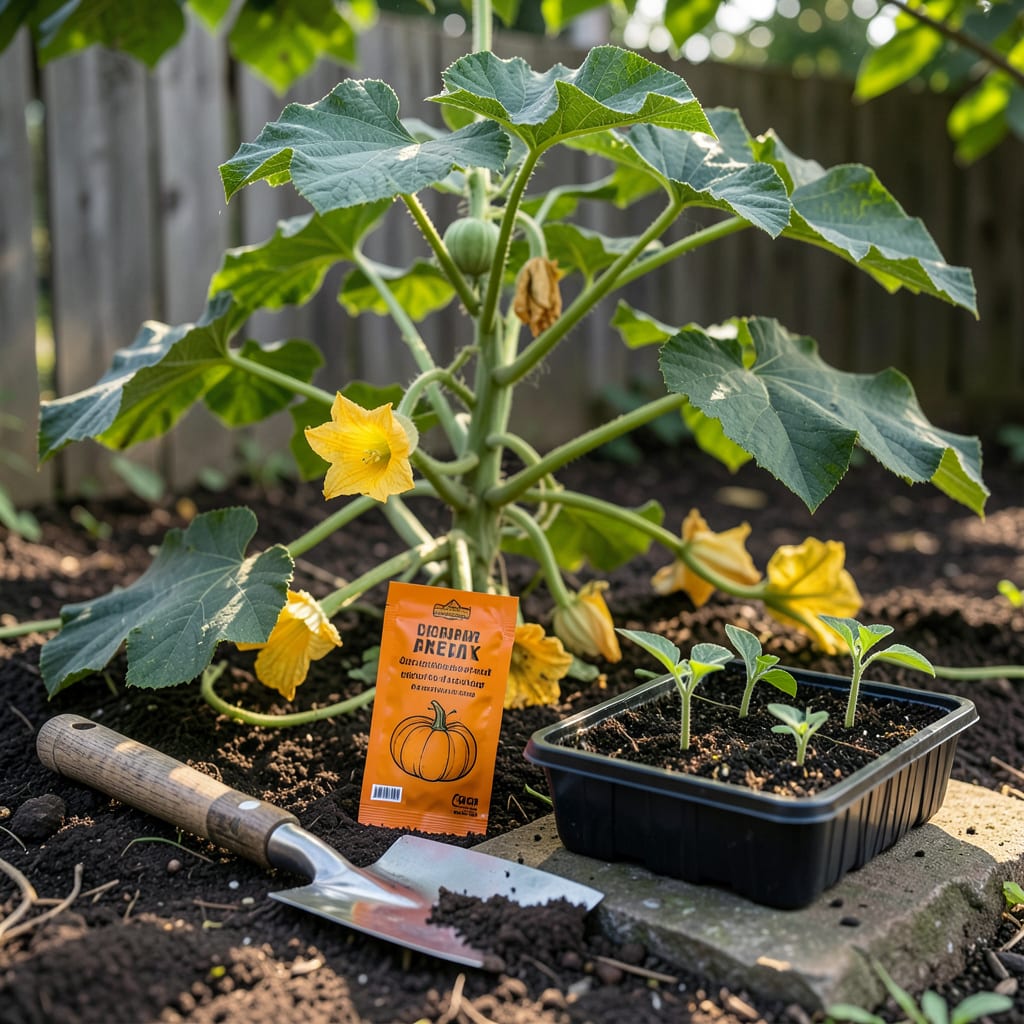
Nebraska’s unpredictable springs can turn pumpkin planting into a high-stakes gamble. Plant too early, and a late frost will wipe out your seedlings. Wait too long, and your 🎃 won’t mature before October’s first freeze.
After years of testing timing strategies in Zone 5a, I’ve nailed the perfect window—one that balances soil warmth, frost risk, and Nebraska’s short growing season. Here’s exactly when to plant for giant, Halloween-ready pumpkins, no matter where you are in the state.
If you’ve ever lost pumpkin seedlings to a surprise Nebraska frost, you know timing isn’t just important—it’s everything. Our state’s USDA Zones 4-5a mean you’re racing against a short 120–140-day window to grow mature pumpkins before October’s first frost hits. Get this wrong, and you’ll end up with tiny, unripe gourds instead of prize-winning jack-o’-lanterns.
Here’s the golden rule: Soil temperature must hit 60°F before planting—no exceptions. In eastern Nebraska (Omaha, Lincoln), that’s typically late May. But if you’re west of Kearney or near Scottsbluff, wait until early June when the plains warm up. I’ll show you exactly how to time it for your county.
| Region | Last Frost Date | Direct Sow Dates | Indoor Start | Harvest Window |
|---|---|---|---|---|
| Eastern NE (Omaha, Lincoln) | April 20–May 1 | May 15–25 | April 15–25 | Sept 20–Oct 10 |
| Central NE (Kearney, Grand Island) | May 1–10 | May 20–30 | April 20–30 | Sept 25–Oct 15 |
| Western NE (Scottsbluff, Chadron) | May 10–20 | May 25–June 5 | April 25–May 5 | Oct 1–15 |
| River Valleys (Platte, Missouri) | April 15–25 | May 10–20 | April 10–20 | Sept 15–Oct 5 |
🌡️ Pro Tip: Use a soil thermometer—don’t guess! Plant when soil is 60°F+ at 4″ depth for 3 consecutive days.
See that western Nebraska highlight? That’s your warning: high plains areas like Panhandle counties often run 10–14 days cooler than Omaha. I’ve seen gardeners in Alliance lose entire crops by planting on Memorial Day—only to get hit by a late frost. If you’re above 3,000 ft elevation, add 7–10 extra days to those dates.
For Halloween-ready pumpkins, work backward from October 1. Most varieties need 90–120 days to mature. That means ‘Howden’ (115 days) should go in the ground by June 1 in Lincoln, but ‘Jack Be Little’ (85 days) can wait until June 10. Always check your seed packet—those days-to-maturity numbers are your planting bible.
Here’s my foolproof soil prep trick for Nebraska’s heavy clay: Two weeks before planting, mix in 3–4 inches of compost and 1 inch of sand to improve drainage. Then, cover the area with black plastic mulch to warm the soil faster. This combo boosts soil temp by 5–10°F, letting you plant 5–7 days earlier than bare soil.
If you’re starting seeds indoors (smart for giant varieties!), use 4-inch peat pots and a heat mat to maintain 70–80°F soil temp. Harden off seedlings for 7–10 days before transplanting—Nebraska winds are brutal on tender plants. I lost a whole tray of ‘Atlantic Giant’ starts last year by skipping this step.
Watch for squash bugs in late June—they’re Nebraska’s #1 pumpkin killer. I spray neem oil every 5–7 days starting when vines hit 1 foot long. And if you’re in the eastern third of the state, powdery mildew will strike by August. Space vines 6–8 feet apart for airflow, and water at the base—never overhead.
Need a quick reference? Print this table and tape it to your fridge. Then grab a soil thermometer—it’s the $10 tool that saves $50 in wasted seeds. Trust me, your future jack-o’-lantern will thank you when it’s the biggest on the block. 🎃
Still unsure? Call your local UNL Extension office—they’ve got hyper-local frost data and can tell you if your microclimate runs early or late. I check with mine every year before planting my ‘Cinderella’ pumpkins for the state fair.
I’ve seen too many Nebraska gardeners watch their pumpkin dreams wither because of three preventable mistakes. The first? Ignoring microclimates. A planting date that works in Omaha’s river valleys can be disastrous in the Sandhills. Your neighbor’s success doesn’t guarantee yours—check your exact frost dates and soil temps.
Second, most underestimate Nebraska’s clay-heavy soil. Pumpkins need loose, warm soil to thrive, but our native dirt drains poorly and stays cold. I learned this the hard way when my first crop rotted in waterlogged ground. The fix? Amend with compost and use raised mounds—it’s non-negotiable here.
The third mistake is poor spacing, and it’s epidemic. Pumpkin vines need 50–100 square feet each to produce well. I visited a garden in Lincoln where plants were spaced 3 feet apart—the vines looked like a tangled mess, and the pumpkins were the size of softballs. Follow seed packet spacing religiously.
Here’s my Nebraska-specific spacing hack: plant vines in a hill system with 4–5 seeds per hill, hills spaced 6–8 feet apart. Thin to the 2 strongest seedlings when they have 3 true leaves. This mimics natural growth patterns and maximizes air circulation, which is critical for fighting our humid eastern Nebraska powdery mildew.
Don’t forget about watering timing. Many gardeners water at night, which is a mildew invitation in our humid summers. I switch to drip irrigation on a timer set for 5–7 AM. This gives leaves time to dry before evening humidity sets in. Last season, this simple change cut my mildew issues by 70%.
Finally, pest vigilance is non-negotiable. Nebraska’s squash bugs emerge in late June, and they’ll destroy a plant in days. I scout daily starting June 15, removing egg clusters by hand and spraying neem oil every 5 days. For squash vine borers, wrap stems with aluminum foil at the base—it’s my #1 organic defense.
Remember: Nebraska’s growing season is short, but with these fixes, you’ll harvest pumpkins that’ll make your neighbors jealous. Next, let’s talk varieties—because not all pumpkins can handle our wild weather swings. 🎃
Not all pumpkins thrive in Nebraska’s 120–140-day season, and picking the wrong variety can mean the difference between a bumper crop and a patch of green baseballs. I’ve tested dozens over the years, and the winners all share one trait: they mature reliably before our October frosts hit.
For classic jack-o’-lanterns, ‘Howden’ (115 days) is my top pick—it’s disease-resistant and holds up to Nebraska’s humidity. Want something faster? ‘Jack Be Little’ (85 days) delivers adorable mini pumpkins perfect for decor. But if you’re chasing state fair ribbons, ‘Atlantic Giant’ (130 days) needs an early indoor start and extra warmth.
| Variety | Days to Maturity | Best For | Disease Resistance | Nebraska Notes |
|---|---|---|---|---|
| Howden | 115 | Jack-o’-lanterns | High (powdery mildew) | Plant by May 25 in Lincoln |
| Jack Be Little | 85 | Mini decor | Moderate | Great for short seasons—plant by June 10 |
| Atlantic Giant | 130 | Competition | Low | Start indoors April 15; needs heat |
| Cinderella | 100 | Fairytale shape | High | Loves eastern NE humidity |
| Early Giant | 95 | Quick large pumpkins | Moderate | Best for western NE short seasons |
🌱 Pro Tip: For eastern Nebraska, prioritize disease-resistant varieties—our humidity fuels powdery mildew. Western growers should focus on early maturers to beat frost.
See why ‘Howden’ and ‘Cinderella’ are marked as Nebraska favorites? They’re bred to handle our humid east and dry west equally well. I grew ‘Cinderella’ last year in Omaha, and despite our rainy June, it produced 8 perfect pumpkins with zero mildew.
For giant pumpkin growers, here’s my secret: Start ‘Atlantic Giant’ seeds indoors under grow lights by April 15, then transplant into warmed soil (use black plastic) by May 20. Feed weekly with fish emulsion and protect vines with straw mulch to prevent sun scald. My best weighed 187 lbs using this method!
If you’re in western Nebraska, lean toward ‘Early Giant’ or ‘Jack Be Little’—both mature fast enough for our shorter season. I’ve seen Scottsbluff gardeners harvest beautiful pumpkins by September 20 using these varieties, while their neighbors with 120-day varieties were left with green fruit after the first frost.
Remember: Variety selection is your first defense against Nebraska’s challenges. Pair the right pumpkin with our planting timeline from earlier, and you’ll be carving (or weighing) your success by October. Next up, I’ll show you how to troubleshoot common Nebraska pumpkin problems—because even the best-laid plans sometimes need a backup! 🎃
In eastern Nebraska, plant by June 1 for varieties like ‘Howden’ (115 days). For western regions, aim for May 25 to account for cooler soil. Always count backward from October 1 to ensure maturity before frost.
Start seeds indoors 2–3 weeks before your last frost date (around April 15–25 for most areas). Use 4-inch peat pots and a heat mat to maintain 70–80°F soil temperature for best germination.
Use row covers or cloches to shield young plants if temperatures dip below 32°F. Remove covers during the day to prevent overheating. A soil thermometer is your best tool—don’t plant until soil hits 60°F at 4″ depth.
‘Howden’ and ‘Cinderella’ excel in eastern Nebraska’s humid conditions thanks to their disease resistance. For drier western areas, ‘Early Giant’ or ‘Jack Be Little’ are reliable choices that mature quickly.
Underestimating Nebraska’s clay soil and wind exposure. Always amend soil with 3–4 inches of compost and use windbreaks like burlap or straw bales. Skipping these steps leads to poor drainage and stunted growth.
