
Beautiful Plants For Your Interior
Beautiful Plants For Your Interior
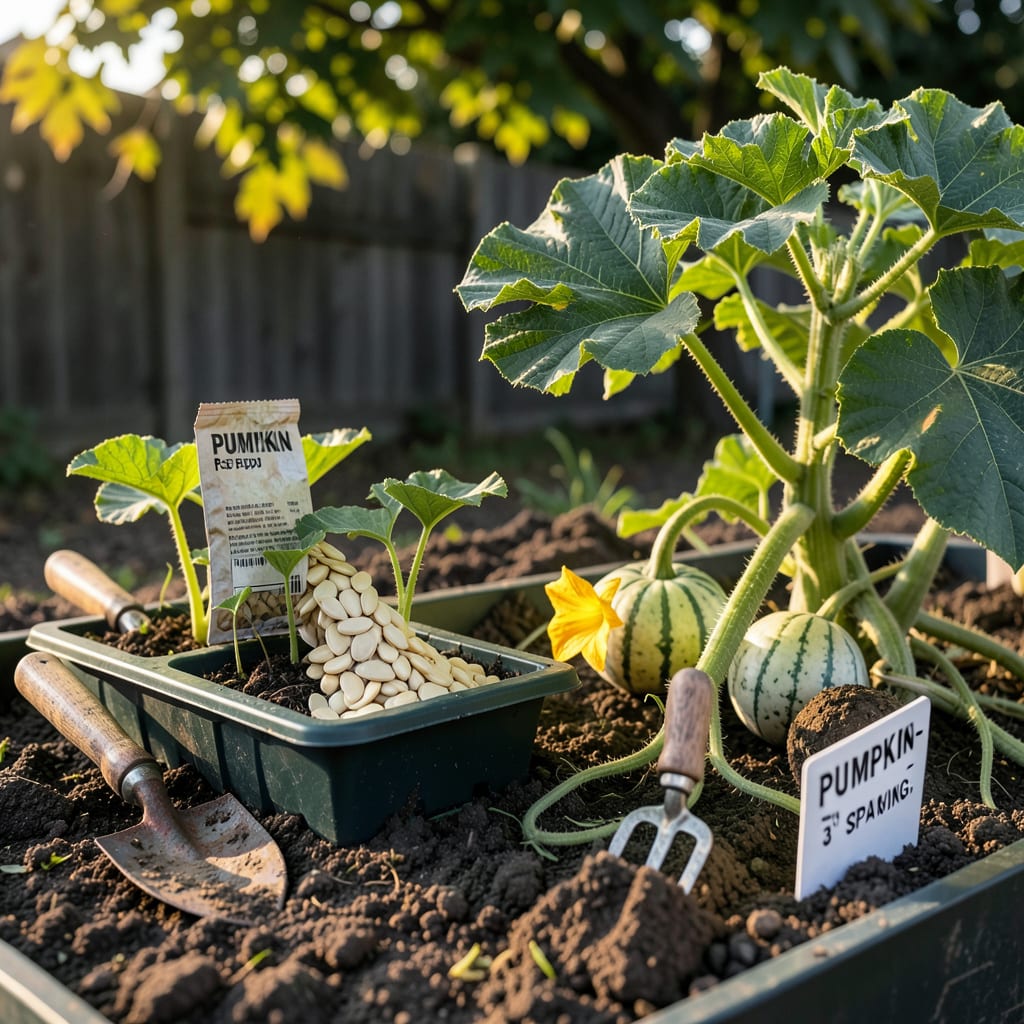
Mississippi’s sweltering summers and unpredictable frost dates make pumpkin planting a delicate dance. Plant too early, and a late chill could wipe out your seedlings. Wait too long, and the July heatwave might fry your vines before they fruit.
After years of testing (and a few failed harvests), I’ve nailed the perfect window for growing plump 🎃 pumpkins in Zone 8a. Here’s exactly when to get those seeds in the ground—and how to time it for a bountiful October harvest.
Mississippi’s long growing season and humid climate create a unique window for pumpkins. The key is balancing frost risk in early spring with the intense summer heat that arrives by June. Most varieties need 75–100 days to mature, so timing is everything.
In North Mississippi (Zone 7a–7b), aim for late April after the last frost (around April 1). Central and South Mississippi (Zones 8a–9a) can plant 2–3 weeks earlier, as early as mid-March for fast-maturing varieties like ‘Sugar Pie.’
| Region | USDA Zone | Planting Window | Last Frost Date | Harvest Time |
|---|---|---|---|---|
| North MS | 7a–7b | Late April | April 1 | Late Sept–Oct |
| Central MS | 8a | Mid-April | March 15 | Mid-Sept–Oct |
| South MS | 8b–9a | Mid-March | March 1 | Early Sept–Oct |
For giant pumpkins like ‘Atlantic Giant,’ start seeds indoors in late February and transplant after frost. Smaller varieties like ‘Jack-Be-Little’ can go directly into the ground 2 weeks after last frost—they mature in just 90 days.
Soil temperature is your best guide. Pumpkins need 60°F+ soil to germinate. Use a soil thermometer or check local Extension reports. If your soil is still chilly, black plastic mulch can warm it faster by 5–10°F.
Mississippi’s high humidity means powdery mildew is a constant threat. Space plants 4–6 feet apart for airflow, and consider drip irrigation to keep leaves dry. Morning watering helps prevent fungal issues too.
If you’re growing for Halloween carving, count backward from October 1. For example, ‘Howden’ pumpkins take 100 days, so plant by late June in South MS or early July in North MS for a timely harvest.
Mississippi State University Extension recommends succession planting for a longer harvest. Try a second planting in early July for late-season pumpkins, but be ready to shade young plants during August’s peak heat.
Watch for squash bugs and vine borers, which thrive in Mississippi’s warmth. Row covers can help early on, but remove them when flowers appear for pollination. Neem oil sprays work well for organic control.
For the best results, test your soil before planting. Pumpkins prefer a pH of 6.0–6.8 and well-draining soil rich in organic matter. Work in 2–3 inches of compost and a balanced fertilizer (like 10-10-10) at planting time.
Even with perfect timing, a few common mistakes can derail your Mississippi pumpkin patch. I’ve seen healthy vines wilt overnight from avoidable errors—like ignoring soil temperature or crowding plants. Here’s what to watch for.
First, never plant in cold soil. Pumpkin seeds rot if soil is below 60°F. Use a soil thermometer to check, or wait until 2 weeks after last frost (mid-April for most of MS). Black plastic mulch can boost soil temp by 5–10°F if you’re eager.
Mississippi’s clay-heavy soil holds moisture, leading to root rot. Always plant in raised beds or mounds (12–18 inches tall) to improve drainage. Add compost or sand to break up clay.
Overcrowding is another silent killer. Pumpkin vines need 50–100 sq ft per plant—yes, they’re space hogs! Plant seeds 4–6 feet apart in rows 8–10 feet apart. Bush varieties like ‘Bushkin’ can handle 3-foot spacing, but most need room to roam.
Skipping pest prep guarantees trouble. Mississippi’s humidity attracts squash bugs and vine borers. Cover young plants with floating row covers until flowers appear. Sprinkle diatomaceous earth around stems to deter pests naturally. For borers, wrap stems in foil at the base.
Inconsistent watering causes blossom-end rot or cracked pumpkins. Aim for 1–2 inches of water weekly, delivered at the base of plants (avoid wetting leaves). Drip irrigation is ideal. Mulch with straw or grass clippings to retain moisture and suppress weeds.
Finally, don’t ignore pollination. Pumpkins need bees to set fruit. If you see flowers but no pumpkins, hand-pollinate with a small paintbrush. Plant bee-friendly flowers like marigolds nearby to attract pollinators. Avoid pesticides during flowering—they’ll kill the helpers!
Mississippi’s late-summer heat can scorch young plants. If planting in July for a second crop, use shade cloth (30–50%) during the hottest part of the day. Afternoon shade prevents wilting and sunburned leaves. Evening watering helps, but never water at night—it invites fungus.
Not all pumpkins thrive in Mississippi’s hot, humid summers. The key is choosing varieties that handle heat stress and resist common diseases like powdery mildew. After testing dozens, I’ve found the best performers for our climate.
For carving pumpkins, ‘Howden’ is a classic choice—it matures in 100 days and holds up well in heat. If you want something unique, ‘Cinderella’ (aka ‘Rouge Vif d’Etampes’) offers disease resistance and a striking red-orange hue.
| Variety | Days to Maturity | Best For | Heat Tolerance | Disease Resistance |
|---|---|---|---|---|
| Howden | 100 | Carving | High | Moderate |
| Cinderella | 95 | Decorative | Very High | High (mildew) |
| Sugar Pie | 90 | Pies | Moderate | Low |
| Seminole | 85 | Small, heat-loving | Very High | High |
| Atlantic Giant | 120+ | Competitions | Low | Moderate |
For pie pumpkins, ‘Sugar Pie’ is reliable but needs extra water in July. ‘Seminole’ is my top pick for South Mississippi—it thrives in heat and matures in just 85 days, perfect for late plantings.
Giant pumpkin growers should try ‘Atlantic Giant,’ but be warned: it needs cool roots and constant moisture. Use shade cloth in August and bury vines to encourage secondary roots.
If powdery mildew is a problem, opt for ‘Cinderella’ or ‘Iron Man’—both have built-in resistance. For early harvests, ‘Jack-Be-Little’ matures in 80 days and fits small gardens.
Pro tip: Save seeds from your best performers! Mississippi-grown pumpkins often adapt to local conditions, giving you stronger plants year after year. Just be sure to hand-pollinate if you’re saving seeds to avoid cross-breeding. 🎃
For October harvests, plant by early July in North Mississippi or late June in the south. Fast-maturing varieties like ‘Jack-Be-Little’ (80 days) work best. Count backward from October 1 and add 10–14 days for safety.
Cover young plants with floating row covers or cloches if frost threatens. Remove covers during the day to prevent overheating. In clay-heavy areas, raised beds warm faster and drain better, reducing frost risk.
Only bush varieties like ‘Bushkin’ or ‘Jack-Be-Little’ suit containers. Use a 15+ gallon pot with drainage holes and a trellis for vertical growth. Expect smaller yields—containers dry out fast in Mississippi’s heat.
This usually means poor pollination. Hand-pollinate by transferring pollen with a small brush between male and female flowers. Avoid pesticides during flowering—they repel bees. Plant marigolds nearby to attract pollinators.
Start a second crop in early July using heat-tolerant varieties like ‘Seminole’. Use shade cloth (30–50%) to protect seedlings from afternoon sun. Drip irrigation keeps roots cool during summer’s peak. Harvest by late September before frost.
