
Beautiful Plants For Your Interior
Beautiful Plants For Your Interior
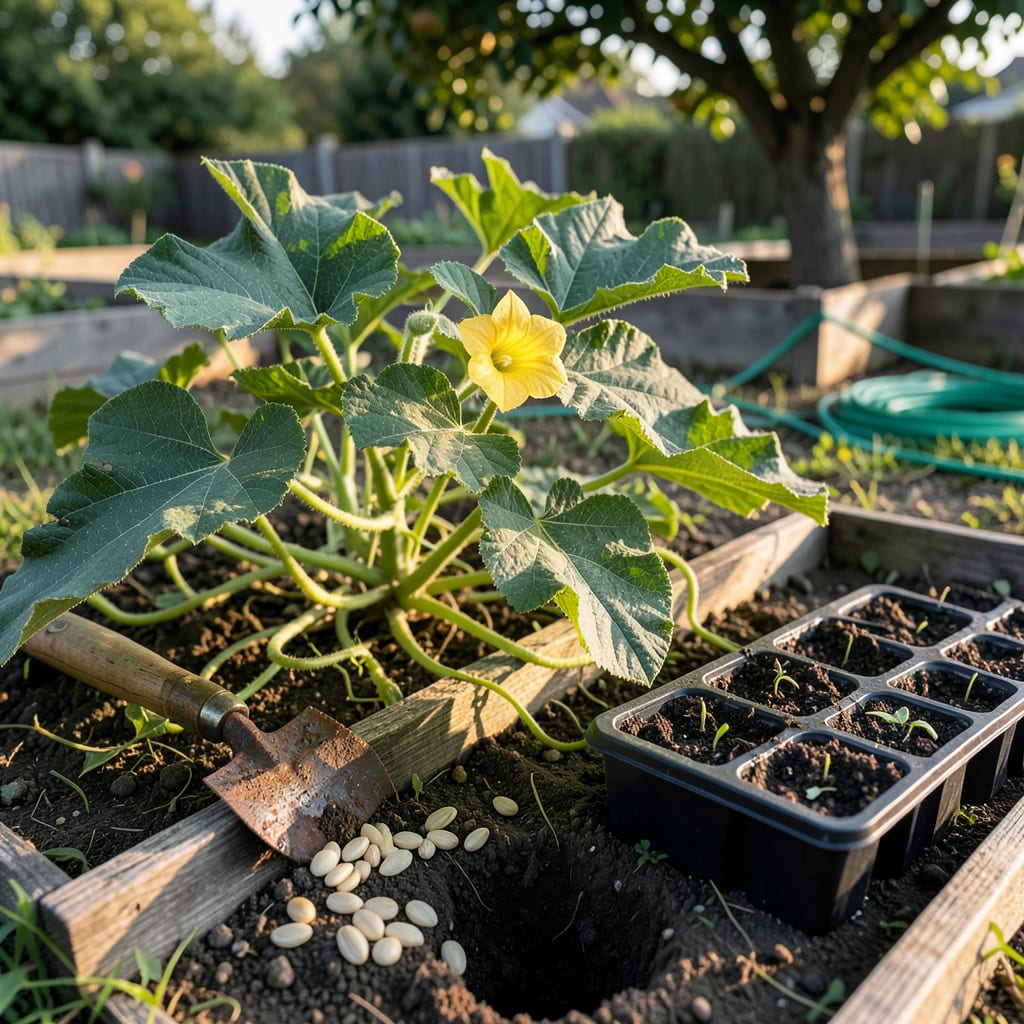
Minnesota gardeners know the struggle: our short growing season makes timing everything when it comes to pumpkins. Plant too soon, and late frost wipes out your seedlings. Wait too long, and you’ll be carving green pumpkins on Halloween.
After years of testing in Zone 4b, I’ve cracked the code for perfect 🎃 pumpkin planting. Whether you’re dreaming of giant jack-o’-lanterns or sweet pie varieties, I’ll show you exactly when to start seeds—and how to protect them from Minnesota’s unpredictable spring.
Minnesota’s three distinct climate zones mean pumpkin planting dates vary wildly. In Northern MN (Zone 3), you’ll plant later than gardeners in Southern MN (Zone 5). The key? Watch your last frost date and soil temperature—not just the calendar.
I’ve found that soil temperature (not air temp) is the real dealbreaker. Pumpkin seeds rot in cold soil, so wait until it hits 60°F at 4-inch depth. In most of Minnesota, that’s late May—sometimes early June for cooler areas.
| Region | Last Frost Date | Direct Sow Dates | Indoor Start Dates |
|---|---|---|---|
| Northern MN (Zone 3) | May 20–30 | June 1–10 | May 1–10 |
| Central MN (Zone 4) | May 10–20 | May 20–30 | April 20–30 |
| Southern MN (Zone 5) | April 30–May 10 | May 10–20 | April 10–20 |
Pro Tip: Use a soil thermometer—don’t guess! Cold soil delays germination by weeks.
If you’re in urban areas like Minneapolis or near Lake Superior, microclimates can shift dates. City heat islands may let you plant 7–10 days earlier, while lakeside gardens often run cooler. I use black plastic mulch to warm soil faster in chilly spots.
For early pumpkins, start seeds indoors 3–4 weeks before transplanting. Use biodegradable pots to avoid root shock. Harden off seedlings for 7–10 days before moving them outside—Minnesota’s spring winds are brutal on tender plants.
Varieties matter! In short-season areas, stick to fast-maturing types like ‘Small Sugar’ (90 days) or ‘Jack Be Little’ (85 days). Giant pumpkins like ‘Atlantic Giant’ need 130+ days—risky unless you start indoors by April 1.
Watch the 10-day forecast before planting. If nights dip below 50°F, hold off or use row covers. I lost a whole patch to a late frost in 2022—now I keep frost blankets handy until June.
Need to extend your season? Try cold frames or low tunnels. I’ve gotten extra 2–3 weeks of growth with these tricks. Just vent them on sunny days—pumpkins hate overheating.
Remember: Halloween is the deadline. Count backward from October 31 based on your variety’s days to maturity. For ‘Howden’ (110 days), that means planting by June 10 in Zone 4.
Still unsure? Check your local extension office for hyper-local frost data. I call mine every spring—they track microclimate trends better than any app. And when in doubt, wait a week. Pumpkins grow fast in warm soil!
Next up: I’ll share the 3 biggest mistakes Minnesota gardeners make with pumpkins—and how to avoid them. Spoiler: overwatering seedlings is public enemy #1.
Even with perfect timing, Minnesota gardeners can sabotage their pumpkin patch with these three deadly errors. I’ve made them all—so you don’t have to. The biggest culprit? Ignoring soil temperature. Pumpkin seeds need 60°F+ soil to germinate, yet I’ve seen eager gardeners plant in 50°F mud every spring.
That cold soil doesn’t just slow growth—it rots seeds and stunts seedlings. Last year, my neighbor planted two weeks before me in chilly Zone 4 soil. His seeds never sprouted; mine (planted later in warmed soil) thrived. Always use a soil thermometer—no excuses!
Fix it: Use black plastic mulch to warm soil + row covers for frost protection.
The second mistake? Overwatering young plants. Pumpkin seedlings hate wet feet. I drowned my first patch by watering daily—turns out, they only need moisture every 3–4 days until vines spread. Use the finger test: if the top inch of soil is dry, water deeply. If it’s damp, walk away.
Third, misjudging variety timing dooms many Minnesota gardens. That ‘Atlantic Giant’ you dreamed of? It needs 130+ days—impossible in Zone 3 without a greenhouse. Stick to fast varieties like ‘Small Sugar’ (90 days) or ‘Jack Be Little’ (85 days). I grow ‘Early Giant’ (100 days) in Zone 4b and still harvest by October 1.
Here’s my pro protection combo for finicky Minnesota springs: black plastic mulch (warms soil), cloches (shields seedlings), and frost blankets (ready until June). Last frost in Duluth was June 3 in 2023—yes, June! Always have backup covers.
Finally, don’t crowd plants. Pumpkin vines need 50–100 sq ft per hill. I once planted three hills too close—result? Tiny, stressed pumpkins and powdery mildew from poor airflow. Give them space, and they’ll reward you with giant, healthy fruits.
Remember: Minnesota’s season is short, but pumpkins grow fast in warm weather. Focus on soil prep, smart variety choices, and frost protection. Next, I’ll compare the best fast vs. slow-growing varieties for our climate—some might surprise you! 🎃
Not all pumpkins thrive in Minnesota’s short growing season. The secret? Matching variety maturity times to your zone. In Zone 3, you’ll want fast growers like ‘Small Sugar’ (90 days), while Zone 5 gardeners can experiment with larger types.
I’ve tested dozens of varieties in my Zone 4b garden. The winners? ‘Jack Be Little’ (85 days) for mini pumpkins and ‘Early Giant’ (100 days) for carving. Both handle Minnesota’s cool nights better than tropical varieties.
| Variety | Days to Maturity | Best For | Size | Cold Tolerance |
|---|---|---|---|---|
| Jack Be Little | 85 | Decor, pies | 3-5 lbs | ⭐⭐⭐⭐ |
| Small Sugar | 90 | Pie pumpkins | 4-6 lbs | ⭐⭐⭐⭐ |
| Early Giant | 100 | Carving | 10-15 lbs | ⭐⭐⭐ |
| Howden | 110 | Jack-o’-lanterns | 15-25 lbs | ⭐⭐ |
| Atlantic Giant | 130+ | Contests | 100+ lbs | ⭐ |
Zone Tip: In Zone 3, stick to varieties under 100 days. Zone 5 can push to 110 days with row covers.
For giant pumpkins, start ‘Atlantic Giant’ indoors by April 1 in Zone 4. Use grow lights and heat mats—I’ve gotten 50-lb pumpkins this way! But be warned: they need 150+ sq ft per plant.
Cold-tolerant hybrids like ‘Gladiator’ (95 days) are game-changers. They handle 50°F nights better than heirlooms. Pair them with black plastic mulch to gain 2 extra weeks of growth. My ‘Gladiator’ plants survived a late May frost under row covers!
Need pie pumpkins? ‘Small Sugar’ and ‘New England Pie’ (90 days) are foolproof. For unique shapes, try ‘Roulette’ (95 days)—its deep ribs make it a conversation starter. All thrive in Minnesota’s cool falls, sweetening as temps drop.
Remember: seed packets lie about days to maturity in cold climates. Add 10-14 days to the listed time for Minnesota. And always succession plant—sow a second crop in early July for late-season harvests. With the right varieties, you’ll have pumpkins from September to October! 🎃
Start seeds indoors 4-6 weeks before your last frost date. In Zone 4, that’s around early April. Use biodegradable pots and a heat mat to keep soil warm. Harden off seedlings for 7-10 days before transplanting.
It’s risky, but possible with fast-maturing varieties like ‘Jack Be Little’ (85 days). In Southern MN (Zone 5), you might squeeze in a harvest by late October. Use row covers to speed growth and protect from early frost.
Cover plants with frost blankets or plastic cloches overnight. Remove covers during the day to prevent overheating. Black plastic mulch also helps by warming soil. I keep covers handy until mid-June—Minnesota springs are unpredictable!
Lay black plastic mulch over the planting area 2-3 weeks before sowing. This can raise soil temp by 5-10°F. You can also use cold frames or low tunnels for extra warmth. Always check with a soil thermometer—aim for 60°F+.
Stick to fast-maturing types under 100 days. Top picks: ‘Small Sugar’ (90 days) for pies, ‘Jack Be Little’ (85 days) for decor, and ‘Early Giant’ (100 days) for carving. Avoid ‘Atlantic Giant’ unless you start indoors by April 1 and use season extenders.
