
Beautiful Plants For Your Interior
Beautiful Plants For Your Interior
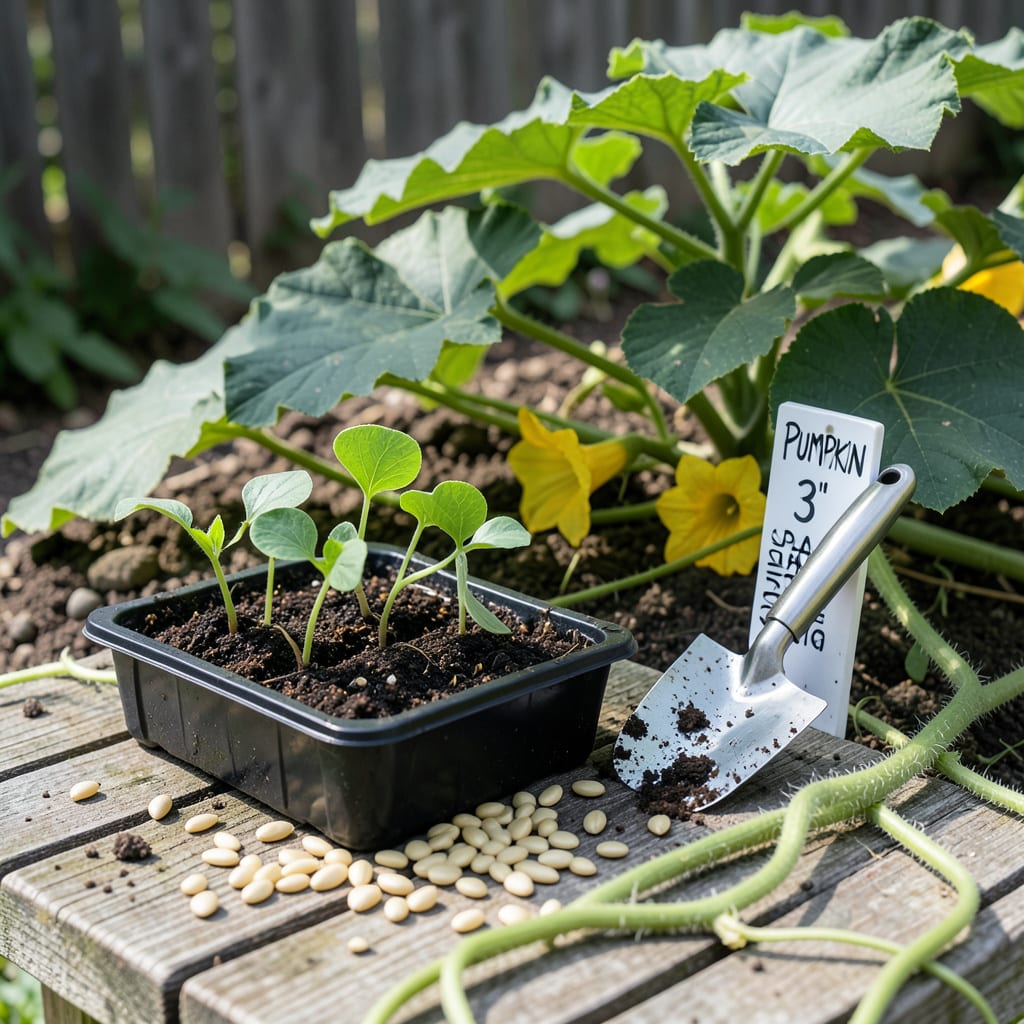
Nothing beats the pride of growing your own Halloween-worthy pumpkins—but in Massachusetts, timing can make or break your harvest. Plant too early, and late frost will ruin your seedlings; wait too long, and you’ll end up with undersized 🎃 that never ripen.
After years of testing what works in zones 6a-7b, I’ve nailed the perfect window. Whether you’re in coastal Cape Cod or the cooler hills of Worcester, I’ll show you exactly when to get those seeds in the ground for a bountiful fall harvest.
If you’re dreaming of carving the perfect jack-o’-lantern this Halloween, nailing your pumpkin planting timing in Massachusetts is non-negotiable. Our state’s zones 5-7 mean last frost dates vary from mid-April in Cape Cod to mid-May in Worcester—so your planting window isn’t one-size-fits-all.
I always tell gardeners: Soil temperature trumps calendar dates. Pumpkin seeds need consistent 60°F+ soil to germinate, which typically arrives 2-3 weeks after your zone’s last frost. That’s why I’ve broken down exact windows for each microclimate below.
| Zone | Last Frost Date | Direct Sow | Start Indoors | Harvest Window |
|---|---|---|---|---|
| 5a (Berkshires) | May 10-20 | May 25 – June 10 | April 20-30 | Sept 20 – Oct 10 |
| 5b (Worcester) | May 1-10 | May 15 – June 1 | April 10-20 | Sept 15 – Oct 5 |
| 6a (Boston) | April 20-30 | May 5 – May 20 | March 25 – April 10 | Sept 10 – Oct 1 |
| 6b (Cape Cod) | April 10-20 | April 25 – May 10 | March 15-25 | Sept 1 – Sept 20 |
| 7a (Southeast MA) | April 5-15 | April 20 – May 5 | March 10-20 | Aug 25 – Sept 15 |
For giant pumpkin varieties like ‘Atlantic Giant’, start seeds indoors 3-4 weeks earlier than these dates. I use biodegradable pots to avoid transplant shock—just bury the whole pot when soil warms up. Coastal gardeners can push the envelope by 1-2 weeks thanks to milder springs.
Here’s my pro tip: Use a soil thermometer (they’re cheap!) to check temps at 8am for 3 consecutive days. If it reads 60°F+, you’re good to plant. For colder zones, black plastic mulch can warm soil 5-10°F faster—perfect for early planting.
Remember that ‘days to maturity’ on seed packets assumes ideal conditions. In Massachusetts, add 10-14 days to that number for safety. My favorite fast varieties for our climate are ‘New England Pie’ (90 days) and ‘Early Giant’ (100 days).
If you’re growing for Halloween decor, count backward from October 15 and add your variety’s maturity days. For example, a 100-day pumpkin needs to be in the ground by July 7 at the latest. I mark this on my calendar every year!
Coastal gardeners watch for salt spray—it can stunt seedlings. I recommend planting in raised beds with compost-amended soil if you’re within 5 miles of the ocean. Inland folks should prioritize well-draining sites to prevent root rot from our summer storms.
For those chasing state fair blue ribbons, start your ‘Dill’s Atlantic Giant’ seeds indoors by April 1 in zone 6, April 15 in zone 5. These monsters need 130-150 days, so every warm day counts in our short season! 🎃
Even with perfect planting timing, I’ve seen too many Massachusetts gardeners lose their pumpkin crops to avoidable mistakes. After helping dozens of local growers troubleshoot their pumpkin failures, I’ve identified the five most common pitfalls that turn promising vines into disappointments.
First on my list is ignoring soil temperature. I can’t count how many times I’ve heard, “But the calendar said May 15!” Remember, pumpkin seeds rot in cold, wet soil. That 60°F minimum isn’t just a suggestion—it’s your first line of defense against poor germination.
⚠️ Pumpkin Growing Red Flags
🌡️ Soil Too Cold: Seeds planted below 60°F often rot before sprouting. Use a soil thermometer!
💧 Overwatering Seedlings: Damp leaves invite powdery mildew. Water at soil level only.
🌱 Crowded Plants: Vines need 50-100 sq ft per plant. Skimping on space reduces fruit size.
🐝 Poor Pollination: Without bees, you’ll get flowers but no pumpkins. Plant pollinator-friendly flowers nearby.
❄️ Frost Surprises: Even in zone 7, October frosts can damage unharvested pumpkins. Have row covers ready!
The second biggest mistake I see is planting in shade. Pumpkins demand full sun—that means 6-8+ hours daily. I once helped a gardener in Somerville who’d planted under a maple tree. His vines grew 20 feet long but produced zero pumpkins. The fix? Relocate to your sunniest spot or use reflective mulch to maximize light.
Another harvest-killer is neglecting pollination. Those bright yellow flowers need bees to become pumpkins! If you notice flowers dropping without forming fruit, try hand-pollinating with a paintbrush. I also recommend planting bee-friendly companions like borage or sunflowers nearby to attract pollinators.
Many gardeners also underestimate how much space pumpkins need. Those cute little seedlings become 20-foot monsters! I use the “parking space rule”—each plant needs room equal to a compact car. For small gardens, train vines vertically on sturdy trellises (use pantyhose slings to support developing fruit).
Finally, don’t forget about pest patrol. Squash bugs and cucumber beetles can devastate pumpkin plants overnight. I check my vines daily in June/July, removing eggs from leaf undersides. For organic control, I swear by neem oil sprays and diatomaceous earth around the base. One year I lost half my crop to beetles—now I’m religious about prevention!
Here’s my golden rule: Pumpkins tell you what they need. Wilting in afternoon? They need water. Yellow leaves? Likely overwatering. Slow growth? Feed with low-nitrogen fertilizer. Pay attention to these signals, and you’ll avoid 90% of common pumpkin problems. And always have frost blankets ready by late September—our New England weather loves to surprise us! 🎃
In Massachusetts’ short growing season, every warm day counts when you’re racing to grow carving-ready pumpkins by October. After years of experimenting with different techniques, I’ve found five foolproof ways to give your pumpkins a head start and shave weeks off their growth time.
The game-changer for me was black plastic mulch. This simple trick warms the soil 5-10°F faster in spring, letting me plant 1-2 weeks earlier than neighbors. Just lay it down 2-3 weeks before planting, secure the edges, and cut X-shaped holes for your seeds or seedlings. I’ve measured soil temps 70°F in late May using this method!
🎃 5 Ways to Grow Pumpkins Faster in MA
For giant pumpkin growers, I swear by row covers in early season. These lightweight fabrics let in 70% of sunlight while protecting seedlings from wind and pests. I keep mine on until flowers appear, which also prevents squash bug damage. Just
Another pro trick is foliar feeding with compost tea every 2 weeks during vine growth. I mix 1 cup compost in 5 gallons of water, strain it, and spray leaves in early morning. This gives plants an instant nutrient boost without overloading the soil. My pumpkins typically grow 20% faster with this method compared to soil feeding alone.
If you’re really pushing for speed, choose fast-maturing varieties like ‘New England Pie’ (90 days) or ‘Early Giant’ (100 days). For giant pumpkins, ‘Atlantic Giant’ needs 130+ days, so start seeds indoors by April 1 in zone 6. I’ve had great success with ‘Cinderella’s Carriage’ (95 days)—it’s disease-resistant and produces 15-20 lb fruits reliably in our climate.
Here’s my 120-day countdown
Coastal areas like Cape Cod (zone 6b-7a) can plant as early as late April if soil reaches 60°F. Use black plastic mulch to warm soil faster. Always check your specific microclimate—some coastal spots may still risk late frosts.
Keep frost blankets or row covers handy until mid-May. For emergency protection, cover seedlings with 5-gallon buckets or milk jugs overnight. Remove covers by 10am to prevent overheating.
Only miniature varieties like ‘Jack Be Little’ work in containers. Use a 15+ gallon pot with drainage, full sun, and a trellis. Expect smaller yields—balcony growing is better for decorative pumpkins than carving-sized ones.
This usually means poor pollination. Hand-pollinate by transferring pollen with a paintbrush between flowers. Plant bee-friendly flowers nearby or try ‘Parthenon’ variety which sets fruit without pollination.
In zone 6, plant by July 1 for 100-day varieties. Choose ‘Early Giant’ (100 days) or ‘New England Pie’ (90 days). Use row covers to extend the season by 2-3 weeks if needed.
