
Beautiful Plants For Your Interior
Beautiful Plants For Your Interior
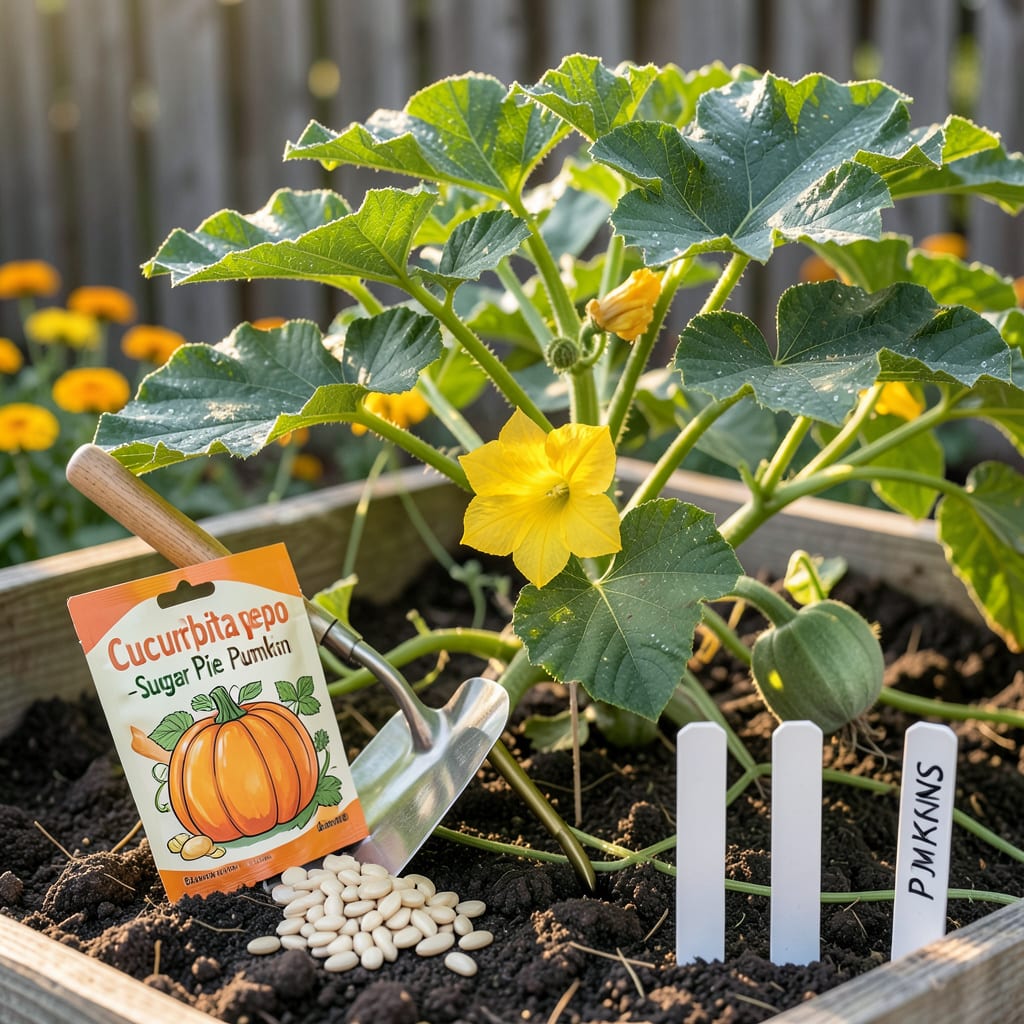
Timing your pumpkin planting in Louisiana can make or break your harvest. Plant too early, and late chills might ruin your crop; wait too long, and the summer heat will fry your vines before they bear fruit.
I’ve tested the perfect window for growing 🎃 pumpkins in Zone 9a, and it’s all about working with Louisiana’s humid climate. Let me show you exactly when to get those seeds in the ground for a bountiful fall harvest—without the guesswork.
Louisiana’s humid subtropical climate gives us a longer growing season than most states, but timing pumpkin planting still requires precision. In Zone 9a, our last frost typically hits by February 15 in southern parishes, while northern areas may see frost until early March.
For pumpkins, soil temperature is your best guide—wait until it reaches at least 70°F at a 4-inch depth. I’ve found that planting too early in cold, wet soil leads to rot, while waiting too long means battling summer’s intense heat and pests.
| Region | Ideal Planting Months | Soil Temp Threshold | Days to Maturity | Notes |
|---|---|---|---|---|
| Southern LA (Zones 9a-9b) | March 1–April 15 | 70°F+ | 90–110 days | Plant after Mardi Gras rains subside; avoid waterlogged beds. |
| Central LA (Zone 8b) | March 15–April 30 | 65°F+ | 100–120 days | Watch for late cold snaps; use row covers if needed. |
| Northern LA (Zone 8a) | April 1–May 15 | 65°F+ | 100–120 days | Delay planting if spring rains persist; soil must drain well. |
For Halloween pumpkins, count backward from October 15 and add 10–14 days for curing. That means planting by July 1 at the latest—but in Louisiana, I recommend sticking to spring plantings to avoid vine borers and powdery mildew in summer.
If you’re growing giant pumpkins (like ‘Dill’s Atlantic’), start seeds indoors in late February and transplant in March. Smaller varieties like ‘Jack Be Little’ can go straight into the ground in April. Always plant in full sun (6+ hours daily) and space vines 5–6 feet apart.
Pro tip: Louisiana’s humidity means powdery mildew is a real threat. I combat this by planting in raised beds with plenty of airflow and watering at the base—never overhead. A 3-inch layer of straw mulch helps keep soil temps steady and reduces splashing.
Moon phase plantings are popular here too! Many Louisiana gardeners swear by planting pumpkins during the second quarter moon (waxing phase) for stronger root development. Check a lunar calendar and aim for a dry spell—our sudden downpours can delay planting.
For succession planting, try a small batch in late May for a Thanksgiving harvest, but be prepared to battle squash bugs. I’ve had luck with ‘Seminole’ pumpkins—they’re heat-tolerant and resist pests better than most.
Remember, pumpkins need 1–2 inches of water weekly, but our summer storms often handle that for us. The key is consistent moisture—drought stress causes blossom drop. Use a rain gauge to track rainfall and supplement with drip irrigation if needed.
Finally, test your soil before planting. Louisiana’s soils vary from acidic piney woods to alkaline river deltas. Aim for a pH of 6.0–6.8. If your soil is too acidic (common in southern parishes), add lime a month before planting. Too alkaline? Work in pine bark fines or sulfur.
With the right timing and care, you’ll be carving homegrown jack-o’-lanterns by October! Just keep an eye on those vines—they’ll spread 10+ feet in every direction if you let them. 🎃
Louisiana’s climate is a double-edged sword for pumpkin growers—our long season gives vines plenty of time to sprawl, but the humidity and heat can derail even the most careful plans. After years of trial and error, I’ve pinpointed the three biggest mistakes that sabotage pumpkin patches here.
First up: planting in soggy soil. Our post-Mardi Gras rains can leave gardens waterlogged well into March. Pumpkin seeds rot in cold, wet earth, so I always check soil moisture by squeezing a handful—if it crumbles instead of forming a muddy ball, it’s safe to plant.
The second mistake? Skipping pest prep. Squash bugs and vine borers thrive in our humidity. I lost an entire crop one year by waiting until I saw bugs to act. Now, I apply diatomaceous earth around seedlings and set up yellow sticky traps before planting.
For vine borers, wrap the base of stems with aluminum foil when plants are young—it confuses the females laying eggs. If you spot orange sawdust-like frass on stems, slit the vine lengthwise with a razor to remove borers, then bury the wounded section to encourage rooting.
Finally, many gardeners underestimate how fast pumpkins grow in our climate. A ‘Howden’ pumpkin can go from seed to 20-pound fruit in 90 days—but only if conditions are perfect. I’ve seen vines stall when planted too late in summer’s 90°F+ heat.
Here’s my rule: For Halloween pumpkins, plant by April 15 in southern LA or May 1 up north. Need a Thanksgiving harvest? Try a late-June planting of ‘Seminole’ (heat-tolerant) or ‘Cinderella’s Coach’ (fast-maturing).
One last tip: Louisiana’s clay-heavy soils can strangle pumpkin roots. Before planting, I work in 3 inches of compost and perlite to improve drainage. If your soil stays wet 24 hours after rain, consider raised beds or mounds (12–18 inches tall) to keep roots happy. 🎃
Not all pumpkins thrive in Louisiana’s steamy summers and humid falls. After testing dozens of varieties, I’ve found the heat-tolerant champions that actually produce in our Zone 9a climate. The key? Choosing types that mature quickly before pests take over.
Top of my list is the ‘Seminole Pumpkin’, a Florida heirloom that laughs at Louisiana heat. Its tan-rind fruits store for months and taste sweeter after curing. For classic orange jack-o’-lanterns, ‘Cinderella’s Coach’ (a French heirloom) resists powdery mildew better than most.
For small decorative pumpkins, ‘Jack Be Little’ is my go-to. These 3-inch mini pumpkins mature in just 85 days and thrive in containers—perfect for patio gardeners. Their vines only spread 4–5 feet, making them ideal for tight spaces.
If you’re after edible varieties, ‘Louisiana Sweet’ (a regional heirloom) has dense, sweet flesh perfect for soups. Its flattened shape and gray-green rind might surprise you, but the flavor is unmatched. Plant these by April 1 for a late-summer harvest.
Pro tip: Source seeds from Southern Exposure Seed Exchange or local farmers. Their varieties are already adapted to Gulf Coast conditions. I once bought generic seeds from a big-box store, and the plants wilted in our June heat wave. Lesson learned!
Remember, even heat-tolerant pumpkins need afternoon shade in July–August. I use 30% shade cloth on hoops during peak heat. This simple trick reduced my blossom drop by 50% last year. Pair it with drip irrigation to keep foliage dry and disease-free. 🎃
For October 31st pumpkins, plant by July 1 at the absolute latest. Most varieties need 90–120 days to mature, plus 10–14 days for curing. In Louisiana’s heat, I recommend spring planting instead to avoid pest pressure.
Use a soil thermometer to check 4-inch depth—pumpkins need 70°F+ in southern LA or 65°F+ up north. A quick test: If bare feet feel warm on garden soil at 9 AM, it’s likely ready. Cold soil causes seeds to rot.
Only dwarf varieties like ‘Jack Be Little’ work in containers. Use a 15-gallon pot per plant with drainage holes, and place in full sun. Vines will still spread 4–5 feet, so provide a trellis or let them trail.
Blossom drop usually means drought stress or poor pollination. Louisiana’s humidity can make pollen sticky—hand-pollinate with a paintbrush in the morning. Keep soil consistently moist (never soggy) and provide afternoon shade in summer.
Plant in raised beds or mounds (12–18” tall) to improve drainage. After heavy rain, gently shake water off leaves to prevent fungal diseases. A 3-inch straw mulch layer helps keep soil from splashing onto foliage.
