
Beautiful Plants For Your Interior
Beautiful Plants For Your Interior
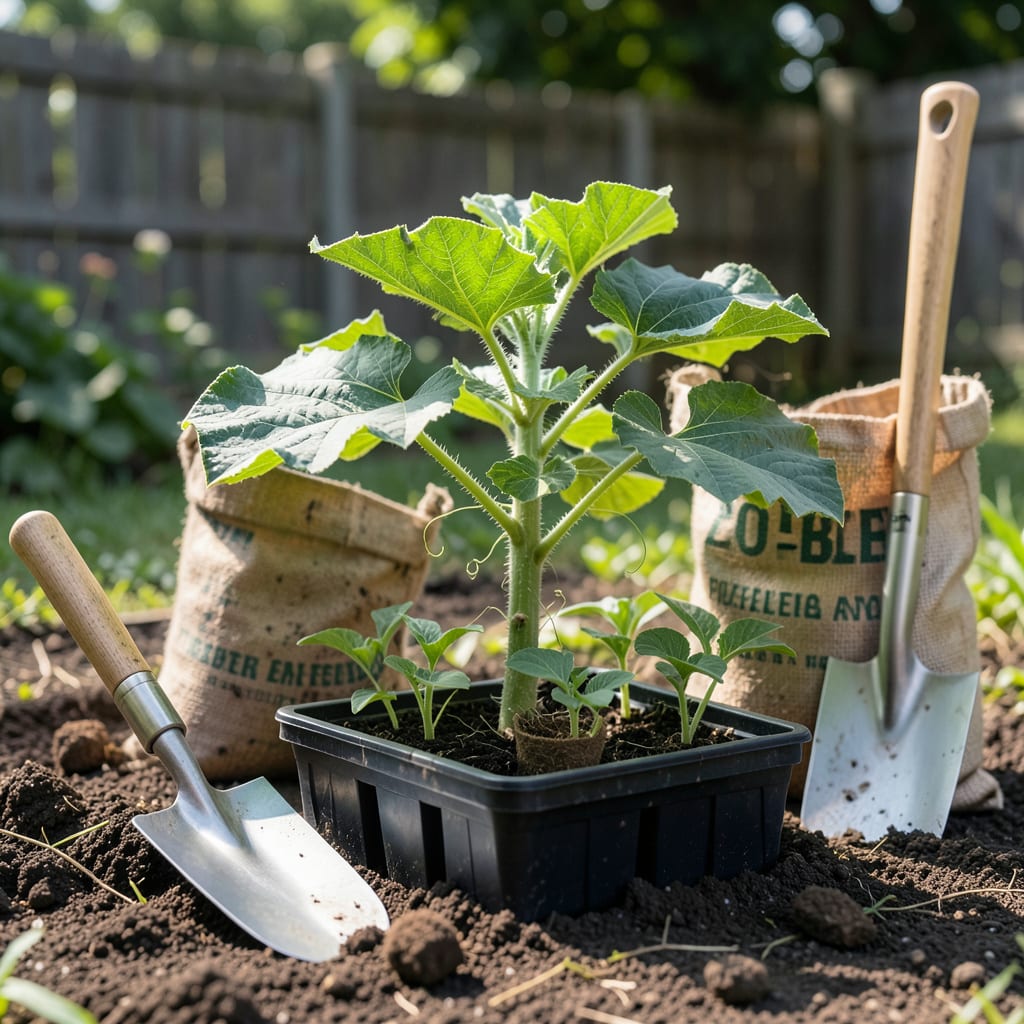
There’s nothing quite like the satisfaction of growing your own 🎃 pumpkins—until you realize timing is everything in Kentucky. Plant too early, and a late frost could ruin your crop; wait too long, and you’ll miss that perfect fall harvest window.
After years of testing and tweaking, I’ve nailed down the exact planting schedule for Kentucky’s unique climate. Whether you’re in Louisville or Lexington, I’ll show you how to get it right—so you can enjoy plump, vibrant pumpkins just in time for pie season and jack-o’-lanterns.
If you’ve ever wondered why your neighbor’s pumpkins thrive while yours struggle, the secret often lies in perfect timing. Kentucky’s climate varies from USDA Zone 6a in the north to Zone 7b in the south, meaning frost dates and soil warmth differ across the state.
For most of Kentucky, the last frost date hovers around April 15, but pumpkins need more than just frost-free air—they demand soil temps above 60°F. Plant too early, and cold soil stunts growth; wait too long, and summer heat stresses vines.
*Soil temps measured at 4″ depth. Use a soil thermometer for accuracy.
In Northern Kentucky (Zone 6a), I recommend waiting until early May to sow seeds directly. The soil warms slower here, and pumpkins planted in cold earth often rot before sprouting. A soil thermometer is your best friend—don’t guess!
For Central Kentucky (Zones 6b-7a), including Louisville and Lexington, you can push the envelope slightly. If you’re itching to start earlier, use black plastic mulch to warm the soil. Just remember: pumpkins hate wet feet, so ensure good drainage.
Down in Western Kentucky (Zone 7b), you’ve got a longer growing season. But don’t get overconfident—late spring rains can drown seedlings. I always plant on raised mounds to improve drainage and soil warmth.
No matter your zone, soil temperature trumps calendar dates. Pumpkin seeds need 60°F minimum to germinate, but they’ll sprout faster and stronger at 65-70°F. Use a digital soil thermometer for precision—it’s a game-changer.
If you’re planting transplants (started indoors), you can shave about 2 weeks off these dates. Just be sure to harden them off first—Kentucky’s spring winds can be brutal on tender starts. I like to use row covers for the first week to ease the transition.
Pro tip: Succession planting works wonders in Kentucky. Plant a batch in late April (with protection) and another in early June for a staggered harvest. This way, you’ll have pumpkins ready from late September through October, perfect for both decor and baking.
Remember, Kentucky’s humidity can invite fungal diseases like powdery mildew. Space your plants 4-6 feet apart for airflow, and water at the base—never overhead. A little prevention saves a lot of heartache later! 🌱
Not all pumpkins are created equal—especially in Kentucky! The variety you choose directly impacts when you should plant and how long you’ll wait for harvest. I’ve tested dozens of types, and some perform far better in our humid summers than others.
For example, ‘Howden’ pumpkins (classic jack-o’-lanterns) need 100-120 days to mature, while ‘Sugar Pie’ varieties (perfect for baking) mature in just 85-100 days. That difference means you can plant ‘Sugar Pie’ up to 2 weeks later and still get a harvest!
*Planting dates assume Zone 6b (Louisville area). Adjust ±1 week for other zones.
If you’re growing ‘Atlantic Giant’ for competitions, start seeds indoors 3-4 weeks early (late March). These monsters need every possible day of Kentucky’s growing season to reach their full potential. I’ve seen them grow 10+ pounds per day in peak summer!
For a continuous harvest, plant early-maturing varieties like ‘Sugar Pie’ in late April, then follow with mid-season types (‘Howden’) in early May. This way, you’ll have pumpkins ready from late September through October—perfect for both decor and pies.
Remember, Kentucky’s late-summer heat can stress pumpkins. If you plant in June, opt for heat-tolerant varieties like ‘Cinderella’ or ‘Fairytale’. These handle our humidity better and still produce sweet, flavorful fruit.
Pro tip: Succession planting isn’t just for timing—it’s also for pest control. Staggered plantings reduce the risk of losing your entire crop to squash bugs or powdery mildew. I always keep a spray bottle of neem oil handy for early signs of trouble. 🌿
Even with perfect timing, Kentucky gardeners can still sabotage their pumpkin harvest with avoidable errors. I’ve seen it happen too many times—healthy vines suddenly wilting or tiny pumpkins rotting before they mature. Let’s tackle the top mistakes so you don’t repeat them!
The biggest offender? Overwatering. Pumpkins need consistent moisture, but soggy soil invites root rot and fungal diseases. I stick to 1-2 inches per week, watering deeply at the base—never overhead. A drip irrigation system works wonders for this.
Another critical error is poor soil preparation. Kentucky’s clay-heavy soil can suffocate pumpkin roots. I always amend my beds with aged compost and sand to improve drainage. A simple soil test (available through your local Cooperative Extension) reveals pH and nutrient levels.
Squash bugs and vine borers are Kentucky’s pumpkin nemeses. I lost an entire crop once by ignoring the first signs—don’t make my mistake! Scout for copper-colored eggs on leaf undersides and crush them. For severe infestations, neem oil or insecticidal soap works, but prevention is key.
Finally, many gardeners underestimate how much space pumpkins need. Those vines can sprawl 10-20 feet! If you’re short on space, try bush varieties like ‘Bushkin’ or train vines vertically (though fruit size may suffer). I once grew vines up a trellis—it saved space but required extra support for heavy fruit.
Remember, Kentucky’s humid summers demand vigilance. Mulch with straw to suppress weeds and retain moisture, but keep it 2 inches away from stems to prevent rot. With these fixes, you’ll avoid the heartbreak of a failed harvest and enjoy pumpkins that are the envy of the neighborhood! 🎃
For Zone 6a (Northern KY), wait until May 1 to sow seeds directly. Soil here warms slower, and pumpkins need 60°F+ to germinate. Use a soil thermometer—cold earth causes seeds to rot.
Yes! Start seeds indoors 3-4 weeks before transplanting (around early April). Use biodegradable pots to avoid root shock. Harden off seedlings for 1 week before moving outdoors to acclimate them.
Cover seedlings with frost blankets or row covers if temps dip below 32°F. Remove covers during the day to prevent overheating. Black plastic mulch also helps warm soil and speed growth.
Amend clay soil with 3 inches of compost and 1 inch of sand to improve drainage. Plant on raised mounds (12-18 inches tall) to prevent waterlogging. Test soil pH—aim for 6.0-6.8 for optimal growth.
For October 31 harvests, plant fast-maturing varieties like ‘Sugar Pie’ by June 15. These need only 85-100 days to mature. Later plantings risk frost damage before full ripening.
