
Beautiful Plants For Your Interior
Beautiful Plants For Your Interior
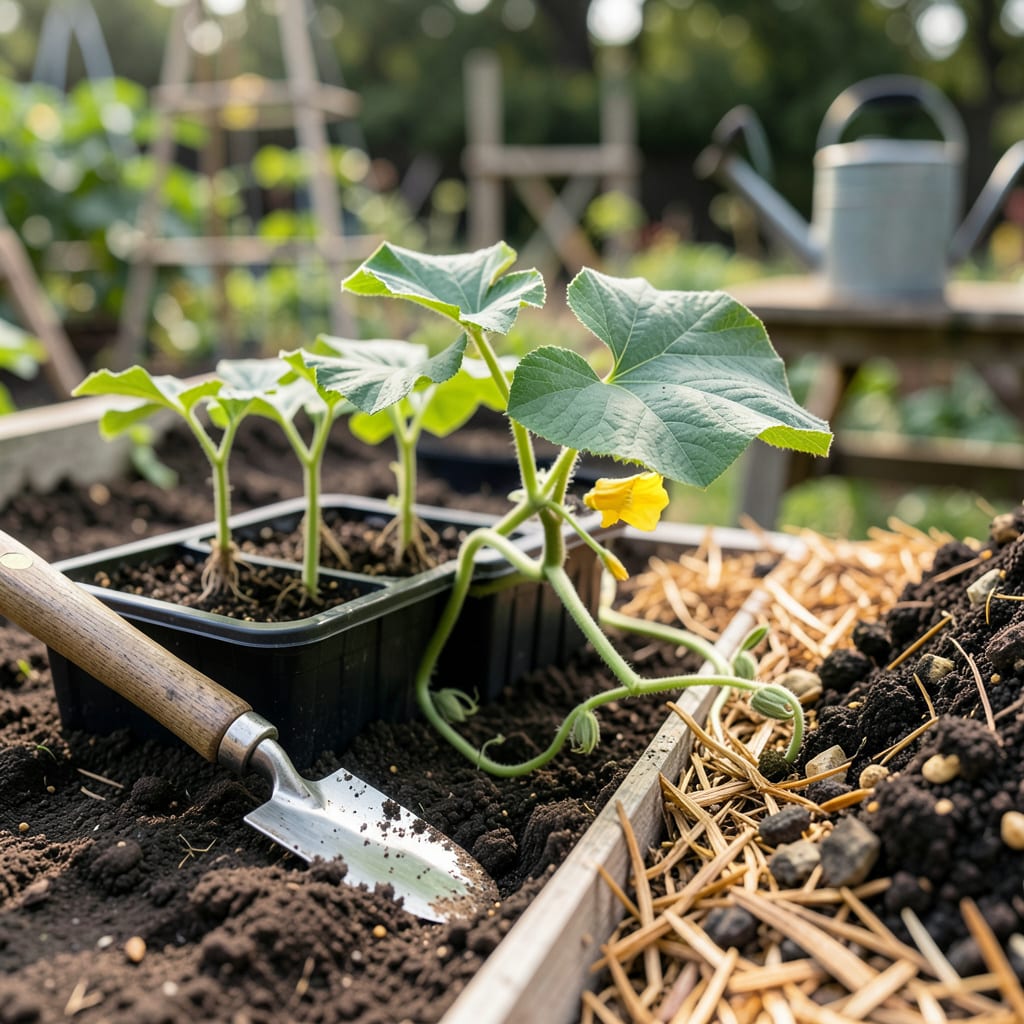
Timing can make or break your 🎃 pumpkin patch in Kentucky. Plant too soon, and a late frost might ruin your seedlings. Wait too long, and your pumpkins won’t mature before Halloween. It’s a delicate balance, but I’ve got the perfect window for you.
After years of testing and tweaking, I’ve nailed down the ideal planting dates for Kentucky’s climate. Whether you’re in Louisville or Lexington, I’ll show you exactly when to get those seeds in the ground for a bountiful harvest. Let’s get started.
Kentucky’s climate varies from west to east, meaning your pumpkin planting dates depend on where you live. In the Western region (Zones 6b-7a), you’ll plant earlier than gardeners in the Eastern mountains (Zone 6a). Soil temperature is key—wait until it hits 60°F or warmer.
I’ve broken down the ideal windows for three Kentucky regions, factoring in last frost dates and variety needs. Whether you’re growing jack-o’-lanterns or giant pumpkins, timing matters. Let’s dig into the specifics so you don’t miss your window. 🎃
| Region | USDA Zone | Last Frost Date | Planting Window | Soil Temp |
|---|---|---|---|---|
| Western KY | 6b-7a | April 10-20 | May 1 – June 10 | 65°F+ |
| Central KY | 6a-6b | April 20-30 | May 10 – June 15 | 60°F+ |
| Eastern KY | 6a | May 1-10 | May 15 – June 20 | 60°F+ |
Adjust for early/late frosts—check local soil temps with a thermometer.
In Western Kentucky, you can start as early as May 1 if the soil is warm. I’ve had success planting ‘Howden’ pumpkins here by mid-May for Halloween-ready harvests. Just watch for late cold snaps—cover seedlings if temps drop below 50°F.
Central Kentucky gardeners should aim for mid-May. The soil warms slower here, so I recommend using black plastic mulch to speed things up. This trick boosts soil temp by 5-10°F, giving you a head start on the growing season. ☀️
If you’re in the Eastern mountains, patience is key. Wait until late May to avoid frost damage. I’ve seen many gardeners rush and lose seedlings to a surprise cold spell. Use a soil thermometer—don’t guess!
For giant pumpkins like ‘Atlantic Giant’, start seeds indoors 3-4 weeks before your outdoor planting date. These varieties need 120+ days to mature, so timing is critical. Transplant carefully to avoid shocking the roots.
Want an early harvest? Try ‘Early Giant’—it matures in 90 days. Plant by May 15 in Central KY, and you’ll have pumpkins by late August. Perfect for county fairs or early fall decorating!
Remember, pumpkins hate cold soil. If you plant too early, seeds may rot. I once lost an entire patch by planting in chilly April soil—learn from my mistake! Use a cloche or row cover if you must plant early.
For Halloween pumpkins, count backward from October 15. Most varieties need 100-120 days, so plant by June 20 at the latest. Late plantings risk frost damage before full maturity.
Pro tip: Soak seeds overnight before planting to speed germination. In Kentucky’s humid summers, this helps seeds sprout faster. Just don’t oversoak—12 hours max to prevent rot. 💧
Even experienced Kentucky gardeners can sabotage their 🎃 pumpkin harvest with simple oversights. I’ve seen firsthand how these five common mistakes derail entire patches. The good news? They’re all preventable with a little know-how and planning.
From ignoring soil temperature to misjudging spacing, these errors often stem from enthusiasm rather than neglect. Let’s break down each pitfall—and how to avoid it—so your pumpkins thrive in Kentucky’s humid summers and unpredictable springs. 🌱
Fix these, and you’ll double your chances of a bumper crop!
One year, I planted ‘Atlantic Giant’ seeds in mid-April during a warm spell. A late frost hit, and I lost every seedling. Now I wait until soil hits 65°F—no exceptions. Use a cheap meat thermometer from the kitchen (just don’t tell your spouse!).
Kentucky’s humid summers create perfect conditions for powdery mildew. I combat this by spacing plants 6 feet apart and pruning lower leaves for airflow. A drip irrigation system keeps foliage dry, reducing fungal risks. Trust me—prevention beats treating an outbreak!
Many gardeners underestimate how much room pumpkins need. In my first year, I planted vines 3 feet apart. The result? Tiny, stressed pumpkins. Now I give each plant a 10-foot diameter or train vines vertically. Use trellises for small varieties like ‘Jack Be Little’ to save space.
Kentucky’s clay soil can suffocate pumpkin roots. Before planting, I mix in 4 inches of compost and 2 inches of sand to improve drainage. A raised bed helps too—just ensure it’s at least 12 inches deep. Test your soil’s pH; pumpkins prefer 6.0-6.8.
Don’t let squash bugs ruin your harvest! I lost half my crop one year by ignoring the first signs. Now I handpick eggs weekly and apply diatomaceous earth around stems. For powdery mildew, spray 1 tsp baking soda + 1 quart water every 10 days. ☀️
Lastly, water deeply but infrequently. Pumpkins need 1-2 inches per week, but soggy soil causes rot. I water at dawn, aiming for the base—not the leaves. Mulch with straw or grass clippings to retain moisture and suppress weeds.
Not all pumpkins grow at the same pace, and in Kentucky’s 180-day growing season, choosing the right variety can mean the difference between a bumper crop and a disappointing harvest. I’ve tested dozens of types and found the best performers for our climate.
Whether you want early harvests for county fairs or giant pumpkins for fall displays, there’s a perfect match. Let’s compare the top varieties and their ideal planting windows so you can pick the best fit for your garden goals. 🎃
| Variety | Days to Maturity | Best Use | Planting Window | Size |
|---|---|---|---|---|
| Early Giant | 90 days | Early harvests | May 1-15 | 10-15 lbs |
| Howden | 105 days | Carving | May 10-25 | 15-25 lbs |
| Atlantic Giant | 120+ days | Giant pumpkins | April 20-May 10 | 100+ lbs |
| Sugar Pie | 95 days | Pies/baking | May 5-20 | 4-6 lbs |
| Jack Be Little | 85 days | Decorative | May 1-June 1 | 1 lb |
*Start giant varieties indoors 3-4 weeks before transplanting.
For early fall harvests, I recommend ‘Early Giant’. Plant by May 1 in Central KY, and you’ll have pumpkins by late August. These are perfect for county fairs or early decorating. Just ensure soil temps are above 60°F before sowing.
The classic ‘Howden’ is my go-to for Halloween carving. Plant by May 15 for October-ready pumpkins. These vines spread 10-15 feet, so give them room! I train mine along a fence to save space while ensuring good airflow to prevent mildew. ☀️
Dreaming of giant pumpkins? ‘Atlantic Giant’ needs 120+ days, so start seeds indoors by April 1. Transplant carefully after last frost—these vines can grow 1 inch per day in peak season! Use drip irrigation to keep roots hydrated without wetting leaves.
For baking pumpkins, ‘Sugar Pie’ is unbeatable. Its sweet, dense flesh is perfect for pies. Plant by May 20 for a September harvest. I grow these on a trellis to save space and improve air circulation, which reduces disease risk in our humid summers.
Short on space? ‘Jack Be Little’ mini pumpkins are adorable and easy. Plant through early June for a continuous harvest. These fit perfectly in containers or small gardens. I love using them for fall centerpieces—they last for months! 🌱
Count backward from October 15 (Kentucky’s average first frost). Most varieties need 100-120 days, so plant by June 20 at the latest. For faster-maturing types like ‘Early Giant’, you can push to July 1.
For giant varieties like ‘Atlantic Giant’, start seeds indoors 3-4 weeks before your outdoor planting date. Use peat pots to minimize root shock when transplanting. Just ensure soil temps outside reach 60°F before moving them.
Cover young plants with frost blankets or plastic cloches if temps drop below 50°F. Remove covers by 10 AM to prevent overheating. In Western KY, watch for late frosts through early May.
Use a soil thermometer (or a meat thermometer in a pinch!). Insert it 2-3 inches deep at 9 AM for an accurate reading. Pumpkins need 60°F+ to germinate well. I check mine daily in early spring—patience pays off!
