
Beautiful Plants For Your Interior
Beautiful Plants For Your Interior
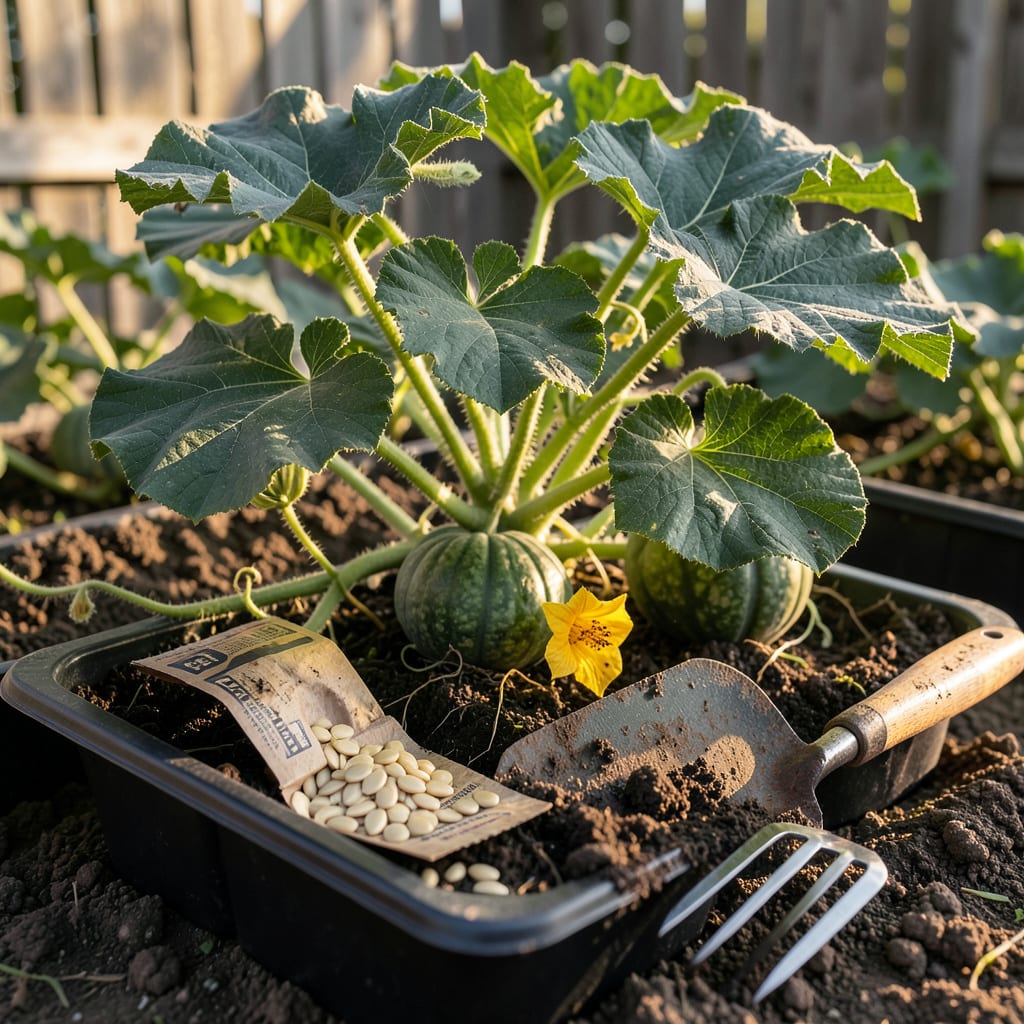
There’s nothing quite like growing your own giant, vibrant pumpkins in Iowa—until you realize one wrong planting date can ruin your entire harvest. Plant too early, and a late frost wipes out your seedlings. Wait too long, and you’ll be staring at green fruit when Halloween arrives.
After years of testing what works in Iowa’s unpredictable spring climate, I’ve pinpointed the perfect window to get those 🎃 pumpkins thriving. Here’s exactly when to plant—and why timing makes all the difference between a bumper crop and a disappointing patch.
If you’ve ever wondered why your neighbor’s pumpkins are huge and orange by October while yours are still green, the secret is all in the planting timing. Iowa’s climate is tricky—northern zones stay cooler longer, while southern regions warm up faster. Get this wrong, and you’re risking frost damage or stunted growth.
Iowa spans USDA zones 4a to 5b, meaning your last frost date could range from early May to late May. The golden rule? Wait until soil temps hit 60°F—ideally 65°F or warmer—before sowing seeds. That’s usually late May to early June for most of the state.
| Region | USDA Zone | Last Frost Date | Planting Window | Notes |
|---|---|---|---|---|
| Northern Iowa | 4a-4b | May 10-20 | May 25 – June 5 | Wait 1-2 weeks after frost; soil warms slower. |
| Central Iowa | 5a | May 5-15 | May 20 – June 1 | Des Moines area: aim for late May planting. |
| Southern Iowa | 5b | April 25 – May 5 | May 10-20 | Warmer soil earlier; can plant up to 2 weeks sooner. |
Pro Tip: Use a soil thermometer—don’t guess! Pumpkins need consistent warmth to germinate.
In northern Iowa (think Sioux City or Mason City), you’ll want to err on the side of caution. I’ve seen May 10 frosts wipe out eager gardeners’ early plantings. Down south near Lamoni or Ottumwa, you can push the envelope a bit—mid-May plantings often thrive.
For Des Moines and Cedar Rapids, stick to the last week of May. The Iowa State University Extension confirms this is when soil temps stabilize. If you’re itching to start earlier, use black plastic mulch to warm the soil or start seeds indoors 2-3 weeks prior.
Remember, pumpkins need 90–120 days to mature. Planting in early June still gives you a Halloween-ready harvest, but late June is cutting it close. I once planted ‘Howden’ pumpkins on June 15—they were still green by October 20. Lesson learned!
If you’re growing giant pumpkins (like ‘Atlantic Giant’), start seeds indoors in late April and transplant after frost. Smaller varieties (‘Sugar Pie’ or ‘Jack-O’-Lantern’) can go straight into the ground. Just ensure your soil pH is 6.0–6.8—Iowa’s clay can be finicky!
Watch the 10-day forecast before planting. If nights are dipping below 50°F, hold off. Pumpkins hate cold feet, and seedlings will sulk or rot. Trust me—I lost a whole patch to a late May cold snap one year. Now I wait for consistent 60°F nights.
For succession planting, try a second batch in early July for a Thanksgiving harvest. Just pick fast-maturing varieties like ‘New England Pie’ (95 days). And always mulch heavily—Iowa’s summer heat can dry out soil fast, stressing your vines.
Finally, mark your calendar: October 15 is Iowa’s average first frost. Count backward from there based on your variety’s days to maturity. For example, a 100-day pumpkin planted June 1 will ripen by September 10—plenty of time for a vibrant orange Halloween centerpiece! 🎃
Iowa’s clay-heavy soil can be a pumpkin’s worst enemy—or its best friend, if you prep it right. The key? Loosening the soil and boosting drainage before planting. I’ve seen gardeners struggle with waterlogged roots and stunted vines simply because they skipped this step.
Start by testing your soil’s pH level. Pumpkins thrive in slightly acidic soil (6.0–6.8). Iowa’s native soil often leans alkaline, so amending with compost or peat moss can work wonders. A simple $10 test kit from your local extension office saves guesswork.
🌱 Pro Tip for Iowa Gardeners
Mix in 2–3 inches of compost and aged manure before planting. For extra drainage in clay soil, add coarse sand or perlite. This mimics the loose, fertile soil pumpkins love!
If you’re dealing with compacted soil, don’t just till—double-dig your beds. Loosen the soil 12–18 inches deep to encourage deep root growth. I use a broadfork to avoid disrupting soil structure, but a sturdy garden fork works too.
Iowa’s spring rains can drown young pumpkin plants, so raised beds or mounds are a game-changer. I plant my pumpkins in 3-foot-wide mounds, about 8–12 inches tall. This improves drainage and warms the soil faster—critical for Iowa’s cool springs.
To speed up warming, lay down black plastic mulch 2–3 weeks before planting. This trick can raise soil temps by 5–10°F, giving you a head start. Just cut X-shaped slits for seeds or transplants. Remove the plastic once vines spread to prevent overheating.
Finally, don’t forget a balanced fertilizer (like 10-10-10) at planting. Work it into the top 4–6 inches of soil, but avoid direct contact with seeds—it can burn tender roots. After planting, top with straw mulch to retain moisture and suppress weeds. Trust me, your pumpkins will thank you with bigger, healthier fruit! 🎃
Even with perfect timing, Iowa gardeners often sabotage their pumpkin harvests with avoidable mistakes. After talking to dozens of local growers—and making my fair share of errors—I’ve narrowed it down to three critical blunders that can ruin your patch before it even starts.
The biggest offender? Ignoring soil temperature. I’ve seen gardeners plant as soon as the calendar says “May,” only to watch their seeds rot in 50°F soil. Pumpkins need 65°F+ soil to germinate—no exceptions. A $15 soil thermometer is your best insurance policy.
Bonus: Always harden off seedlings for 1 week before transplanting to avoid shock!
Another common mistake is skipping the mound. Iowa’s clay soil holds water like a sponge, drowning young roots. I lost an entire patch of ‘Howden’ pumpkins to root rot until I started planting in 12-inch-high mounds. This improves drainage and warms soil faster—critical for our cool springs.
Then there’s the spacing saga. Pumpkin vines can spread 10–20 feet, yet I still see gardeners cramming plants 3 feet apart. The result? Stunted fruit and disease-prone foliage. Give each plant a 5-foot diameter, or grow compact varieties like ‘Baby Pam’ if space is tight.
Finally, don’t fall for the “more water = better” myth. Overwatering in Iowa’s humid summers invites powdery mildew. Stick to deep weekly watering (about 1–1.5 inches) at the base—never overhead. I use a soaker hose on a timer to keep foliage dry and prevent fungal issues.
Remember: Pumpkins are 90% water, but they hate wet feet. If your leaves look like they’ve been dusted with flour, you’re overwatering. Cut back, improve airflow, and consider a fungicide spray (like neem oil) if mildew appears. With these fixes, you’ll avoid the heartbreak of rotting vines or tiny, underripe pumpkins come fall! 🎃
Pumpkin seeds need soil temps of at least 60°F, but 65°F or warmer is ideal for strong germination. In Iowa, this typically happens in late May to early June. Use a soil thermometer to check—don’t guess!
Yes! Start seeds indoors 2-3 weeks before your last frost date (around late April for most of Iowa). Use biodegradable pots to avoid root shock when transplanting. Just be sure to harden off seedlings for 7-10 days before moving them outside.
Planting before soil warms up risks seed rot or stunted growth. Iowa’s unpredictable late spring frosts can also kill young seedlings. If you’re eager, use row covers or black plastic mulch to warm the soil safely.
Give each plant a 5-6 foot diameter to prevent overcrowding. Pumpkin vines spread aggressively, and poor airflow can lead to disease. For smaller varieties like ‘Sugar Pie’, 4 feet apart works.
It’s tricky but possible with dwarf varieties like ‘Baby Pam’. Use a 15-gallon container minimum, with drainage holes and a trellis for support. Container-grown pumpkins need daily watering in Iowa’s summer heat.
