
Beautiful Plants For Your Interior
Beautiful Plants For Your Interior
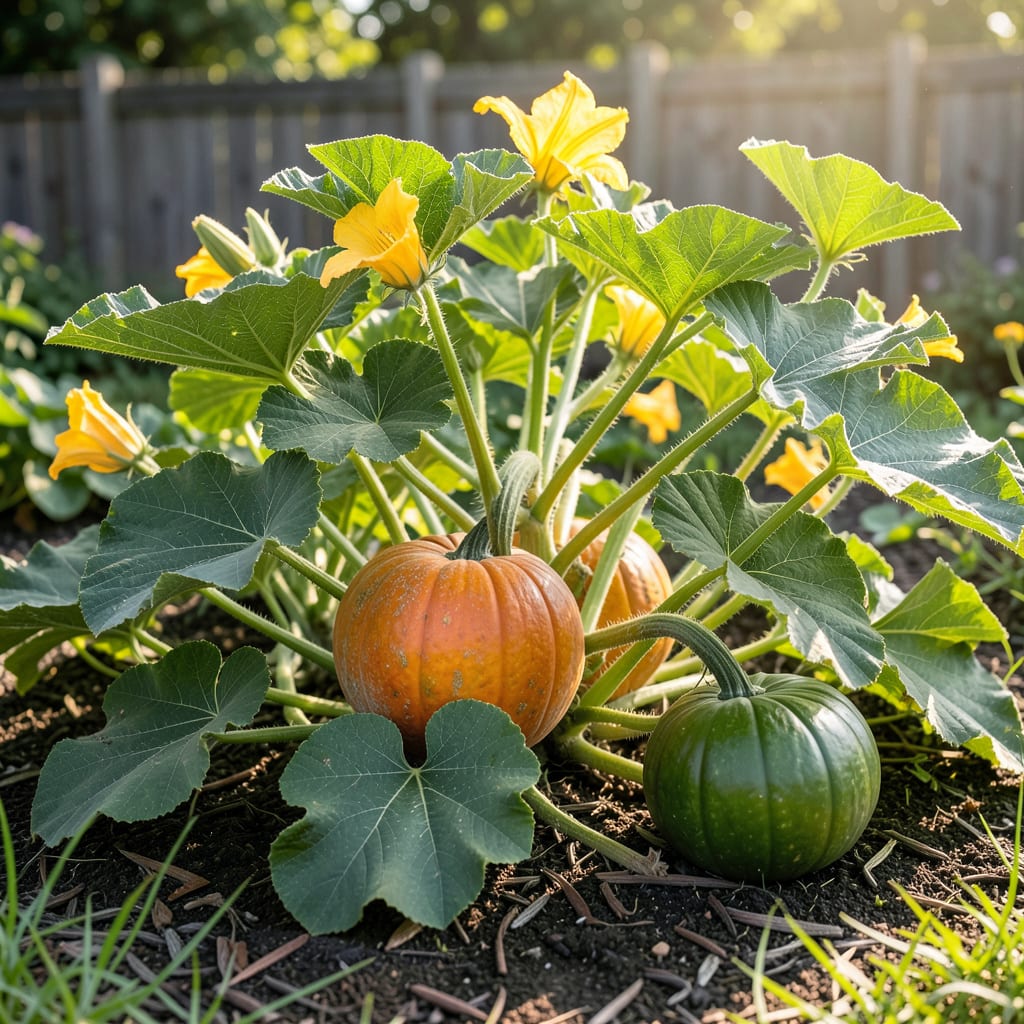
Timing can make or break your 🎃 pumpkin patch in Indiana. Plant too early, and a late frost might wipe out your seedlings. Wait too long, and you’ll be racing against the first fall chill to get those perfect orange globes.
After years of testing what works in our 5b climate, I’ve nailed down the ideal window—plus the soil temps and prep tricks that guarantee success. Let’s cut through the guesswork so you can grow your biggest, healthiest pumpkins yet.
If you’ve ever wondered why your neighbor’s pumpkins are the size of wagon wheels while yours struggle to reach softball size, the answer often comes down to planting timing. Indiana’s climate varies dramatically from the cooler northern counties to the warmer Ohio River valleys, and those differences matter.
Here’s the golden rule: Pumpkins need soil temps above 60°F—ideally 65°F+—and at least 90 frost-free days to mature. Plant too early, and cold soil will rot your seeds. Wait too late, and early frosts will cut your harvest short. Let’s break it down by region so you nail the timing.
Pro Tip: Use a soil thermometer to confirm temps—don’t guess! If your region’s window feels short, choose fast-maturing varieties like ‘Early Giant’ (90 days) or ‘Spookie’ (95 days).
In northern Indiana, where frosts linger, I recommend waiting until late May unless you’re using row covers or black plastic mulch to warm the soil. These tricks can buy you an extra week or two, which is critical for 100+ day varieties like ‘Atlantic Giant’.
Central Indiana gardeners have more flexibility, but watch for late spring cold snaps. If the forecast calls for temps below 50°F after planting, cover seedlings with frost blankets overnight. A single cold night can stunt growth for weeks.
Down south, you can push the envelope slightly, but avoid planting before April 25 unless you’re prepared to protect seedlings. The trade-off? Your longer season lets you grow larger varieties or even sneak in a second planting in early July for a late fall harvest.
No matter where you are, soil prep is non-negotiable. Pumpkins thrive in well-draining, compost-rich soil with a pH of 6.0–6.8. Work in 2–3 inches of aged manure or compost a week before planting, and consider a balanced fertilizer (10-10-10) at planting time.
For the best results, plant seeds 1 inch deep in hills or mounds (3–4 seeds per hill, thinning to the strongest 1–2 plants). Space hills 4–6 feet apart—pumpkin vines need room to roam! Water deeply after planting, and keep soil moist (but not soggy) until germination, which typically takes 7–10 days in warm soil.
If you’re itching to get a head start, you can start seeds indoors 2–3 weeks before your last frost date. Use peat pots to minimize transplant shock, and harden off seedlings for a week before moving them outside. Just remember: Pumpkins hate root disturbance, so handle them with care!
Finally, keep an eye on the long-range forecast. If a late frost threatens after you’ve planted, don’t panic—cover seedlings with buckets or cloches overnight. A little extra effort early on can mean the difference between a mediocre harvest and a pumpkin patch worthy of a blue ribbon.
Once your seedlings are up and running, focus on consistent watering (1–2 inches per week) and mulching to retain moisture. With the right timing and care, you’ll be well on your way to a bountiful harvest just in time for fall decorations or homemade pumpkin puree.
🎃Even experienced gardeners can sabotage their 🎃 pumpkin harvest with simple oversights. Indiana’s unpredictable springs and humid summers create unique challenges. I’ve seen entire patches fail because of avoidable errors—like ignoring soil temps or misjudging spacing.
Your pumpkins’ success starts with dodging these pitfalls. From cold soil shock to pollination problems, I’ll show you how to sidestep the most common mistakes. Trust me, fixing these now saves heartache (and pumpkins!) later in the season.
That cold soil mistake is the #1 killer of pumpkin seeds in Indiana. I’ve lost count of how many gardeners rush to plant in early April, only to replant after a frost. Use a soil thermometer—it’s cheaper than replacing dead seedlings!
Overcrowding vines might seem efficient, but pumpkins need room to breathe. In our humid summers, tight spacing invites powdery mildew. Give each hill 50+ square feet for airflow and easy harvesting.
Here’s a pro tip: Black plastic mulch does double duty. It warms soil faster in spring and blocks weeds. Lay it down 2 weeks before planting to prep your patch. Just cut X-shaped slits for seeds or transplants.
Don’t assume bees will find your pumpkins. Indiana’s early summer rains can ground pollinators. I always plant marigolds or borage nearby as backup. If flowers bloom but no fruit forms, grab a paintbrush and hand-pollinate by mid-morning.
Finally, timing is non-negotiable. Most pumpkins need 90–120 days to mature. Planting after June 15 risks frost-damaged fruit. Mark your calendar: Memorial Day weekend is prime planting time for most of the state. 🌱
Not all pumpkins are created equal—especially in Indiana’s humid summers and variable frost dates. Choosing the right variety can mean the difference between a bumper crop and a disappointing harvest. I’ve tested dozens over the years, and these are the standouts for our climate.
Whether you’re growing for carving, pies, or giant competitions, matching the variety to your region’s growing season is key. Southern Indiana gardeners can push longer-maturing types, while northern growers should stick to faster varieties to beat early frosts.
Pro Tip: For northern Indiana, stick to varieties under 100 days. Southern growers can experiment with 120-day giants if planted by April 25.
If you’re in northern Indiana, ‘Sugar Pie’ and ‘Early Giant’ are your best bets. Their 90-day maturity fits perfectly within the shorter season. I’ve had great success with ‘Spookie’ too—its disease resistance is a lifesaver in our humid summers.
Central Indiana gardeners can branch out with ‘Howden’, the quintessential jack-o’-lantern pumpkin. Its 105-day maturity aligns well with the region’s May 5–20 planting window. For something different, try ‘Cinderella’ (100 days), a stunning rouge vif d’Etampes type.
Southern Indiana’s longer season opens doors for giant varieties like ‘Atlantic Giant’. If you’re aiming for state fair glory, start these indoors in mid-April and transplant by May 1. Just be prepared for the space they’ll demand—vines can spread 20+ feet!
For pie lovers, ‘Sugar Pie’ is unbeatable. Its sweet, dense flesh makes it the gold standard for baking. Plant in full sun and expect 4–6 pound fruits perfect for single pies. If you want larger pies, ‘New England Pie’ (95 days) produces 6–8 pounders.
No matter which variety you choose, remember that Indiana’s humidity invites powdery mildew. Space plants for airflow, water at the base (not leaves), and consider fungicide sprays if rains are persistent. With the right variety and care, you’ll be rewarded with a harvest that’s the envy of the neighborhood. 🎃
Wait until May 20–June 5 for northern regions like South Bend or Fort Wayne. Soil temps must reach 65°F+, and the last frost date is around May 10. Planting earlier risks seed rot or frost damage.
Yes! Start seeds in peat pots 2–3 weeks before your last frost date. This works well for shorter-season areas like northern Indiana. Harden off seedlings for a week before transplanting to avoid shock.
Use row covers, frost blankets, or cloches if temps drop below 50°F. Cover plants overnight and remove coverings by mid-morning. Black plastic mulch also helps warm soil and protect roots.
Choose ‘Sugar Pie’ (90 days) or ‘Early Giant’ (90 days) for northern Indiana. These mature quickly and thrive in cooler climates. For disease resistance, try ‘Spookie’ (95 days).
