
Beautiful Plants For Your Interior
Beautiful Plants For Your Interior
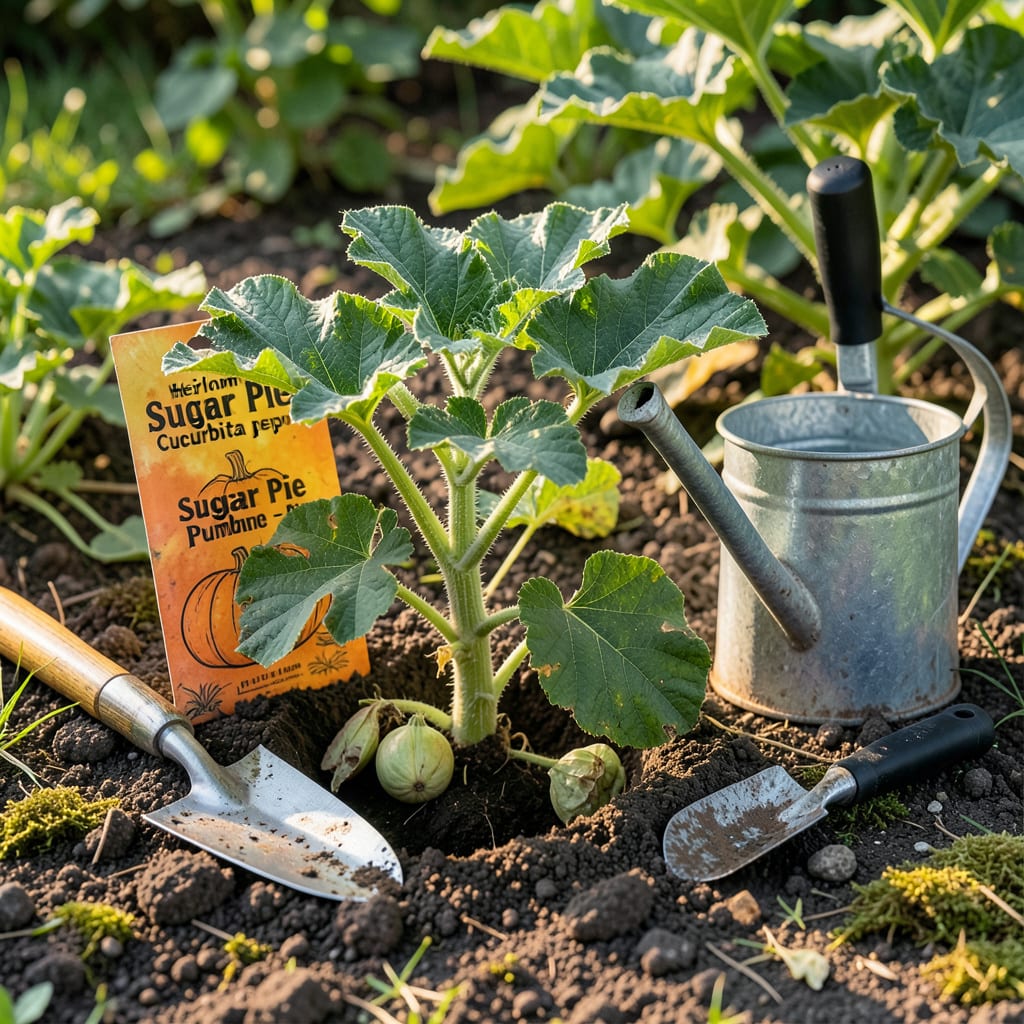
There’s nothing quite like the satisfaction of growing your own 🎃 pumpkins—until you realize timing can make or break your harvest. In Illinois, planting too early risks frost damage, while waiting too long means smaller fruits or no harvest at all.
I’ve tested the perfect window for Illinois gardeners, balancing soil temps, frost dates, and variety needs. Whether you’re dreaming of giant jack-o’-lanterns or sweet pie pumpkins, I’ll show you exactly when to get those seeds in the ground for a bountiful fall.
Illinois spans three distinct climate zones, meaning your pumpkin planting date depends heavily on where you live. In Northern Illinois (Chicago area), the last frost typically hits around May 15, while Central (Springfield) and Southern (Carbondale) regions warm up 1-2 weeks earlier.
Soil temperature is your best guide—pumpkins need at least 60°F to germinate, but 65°F+ is ideal for strong growth. I always use a soil thermometer to check before planting. Don’t rely on air temps alone! 🌡️
| Region | Last Frost Date | Planting Window | Days to Harvest |
|---|---|---|---|
| Northern IL (Chicago) | May 15 | May 20 – June 10 | 90-110 days |
| Central IL (Springfield) | May 5 | May 10 – May 30 | 85-100 days |
| Southern IL (Carbondale) | April 20 | April 25 – May 15 | 80-95 days |
*Adjust for microclimates: Urban areas may be 1-2 weeks earlier than rural fields.
For giant pumpkins (like ‘Atlantic Giant’), start seeds indoors 3-4 weeks before your region’s planting window. Use biodegradable pots to avoid root shock when transplanting. These varieties need 120+ days, so Southern Illinois gardeners have the best luck.
If you’re growing pie pumpkins (‘Sugar Pie’ or ‘Cinderella’), you can plant closer to the end of your window since they mature faster (80-90 days). I’ve found these do well even in cooler Northern Illinois summers if planted by June 1.
Watch for soil moisture—Illinois summers can swing from drought to downpours. Pumpkins hate soggy roots, so plant in well-draining mounds (mix compost with native soil). In Central/Southern IL, mulch heavily to retain moisture during July’s heat waves. 💧
Pro tip: Use black plastic mulch in early spring to warm soil faster. This trick lets me plant 1 week earlier in Northern Illinois without risking frost damage. Just remove it once vines start spreading to prevent overheating.
For succession planting, try a second crop of ‘Jack Be Little’ mini pumpkins in late June. These mature in 60 days and often avoid early frost. I’ve harvested these as late as October 20 in Springfield with row covers.
Always check your local frost dates—microclimates matter! Urban heat islands (like Chicago) may allow planting 1 week earlier, while low-lying rural areas might need to wait. When in doubt, wait for 65°F soil at 4″ depth. 🌱
Remember: Pumpkins need 6-8 hours of sun daily. In shadier yards, opt for ‘Lumina’ (white pumpkins) or ‘Rouge Vif d’Etampes’—they tolerate partial shade better than most. Pair with a trellis to maximize space and airflow.
Even experienced gardeners can sabotage their pumpkin harvest with simple timing errors. In Illinois, the biggest mistake I see is planting too early—cold soil below 60°F causes seeds to rot before they sprout. Always check soil temps at 4″ depth with a thermometer.
Another common pitfall? Ignoring microclimates. Your Chicago backyard might be 5-10°F warmer than a rural field due to pavement and buildings. I’ve lost seedlings by following rural frost dates in my urban garden—adjust for your exact location using tools like the Illinois State Water Survey.
Seeds need 65°F+ soil to germinate. Below 60°F, they rot. Use a soil thermometer—don’t guess!
Giant pumpkins need 120+ days; pie types need 80-90. Match your frost-free window to the variety.
High humidity invites powdery mildew. Space plants 5-6 feet apart for airflow and water at the base only.
The third mistake is overlooking variety maturity dates. A ‘Dill’s Atlantic Giant’ needs 130 days, but Northern Illinois only has 165 frost-free days. I’ve seen gardeners plant these in Chicago in June—they never mature. Stick to ‘Howden’ (100 days) or ‘Gladiator’ (95 days) for reliability.
Illinois’ humid summers also create problems. Without proper spacing, powdery mildew can wipe out vines by August. I plant my pumpkins in hills 6 feet apart and prune lower leaves for airflow. For extra protection, spray neem oil every 2 weeks starting in July. 🌿
Watering mistakes round out the top errors. Pumpkins need 1-2 inches weekly, but soggy soil causes root rot. I use drip irrigation on a timer—6 AM for 30 minutes, 3x weekly. Avoid overhead watering to prevent fungal diseases. In Southern Illinois, mulch with straw to retain moisture during droughts.
Finally, don’t forget soil prep. Pumpkins are heavy feeders—work in 2-3 inches of compost and a 10-10-10 fertilizer before planting. I test my soil pH every spring; pumpkins thrive in 6.0-6.8. If yours is acidic, add lime 2 weeks before planting. ✂️
Not all pumpkins thrive equally in Illinois’ humid summers and variable frost dates. For Northern Illinois, I recommend ‘Howden’—the classic jack-o’-lantern pumpkin that matures in 100 days and handles cooler nights well. It’s my go-to for Chicago-area gardens.
In Central and Southern Illinois, where summers run hotter, ‘Cinderella’ (Rouge Vif d’Etampes) excels. This French heirloom tolerates heat and resists powdery mildew better than most. Its deep red-orange color and sweet flesh make it perfect for pies too. 🎃
To extend your harvest, try succession planting with fast-maturing varieties like ‘Jack Be Little’. I plant a second crop in late June—these mini pumpkins mature in 60 days and often escape early frost. Use row covers in September to protect them from chilly nights.
For giant pumpkins, Southern Illinois gardeners should try ‘Atlantic Giant’, but start seeds indoors in April. Use biodegradable pots to avoid transplant shock. These monsters need 130+ days, so they’re risky north of Springfield. I’ve grown 100-pounders in Carbondale using drip irrigation and weekly fish emulsion feeds. 💧
To combat Illinois’ late-summer droughts, mulch heavily with straw or grass clippings. This retains moisture and suppresses weeds. In humid areas, space vines 6 feet apart and prune lower leaves to improve airflow. I’ve reduced mildew by 50% with this method.
For early frost protection, keep floating row covers handy. In Northern Illinois, I drape them over vines when temps dip below 50°F. Remove covers on warm days to prevent overheating. This trick gave me an extra 2 weeks of growing last season! ✂️
Pumpkin seeds need soil temps of at least 60°F to germinate, but 65°F+ is ideal for strong growth. Use a soil thermometer to check at 4″ depth—air temps can be misleading.
Yes, but only for giant varieties like ‘Atlantic Giant.’ Start seeds 3-4 weeks before your planting window in biodegradable pots to avoid root shock. Smaller varieties grow best when direct-sown.
Use floating row covers or black plastic mulch to warm soil and shield plants. Remove covers during warm days to prevent overheating. In urban areas, microclimates may allow planting 1 week earlier.
Space vines 6 feet apart for airflow and prune lower leaves to reduce humidity. Apply neem oil every 2 weeks starting in July to prevent powdery mildew. Mulch with straw to retain moisture during droughts.
Try fast-maturing varieties like ‘Jack Be Little’ in late June. These mini pumpkins mature in 60 days and often escape early frost with row covers. Perfect for extending your season!
