
Beautiful Plants For Your Interior
Beautiful Plants For Your Interior
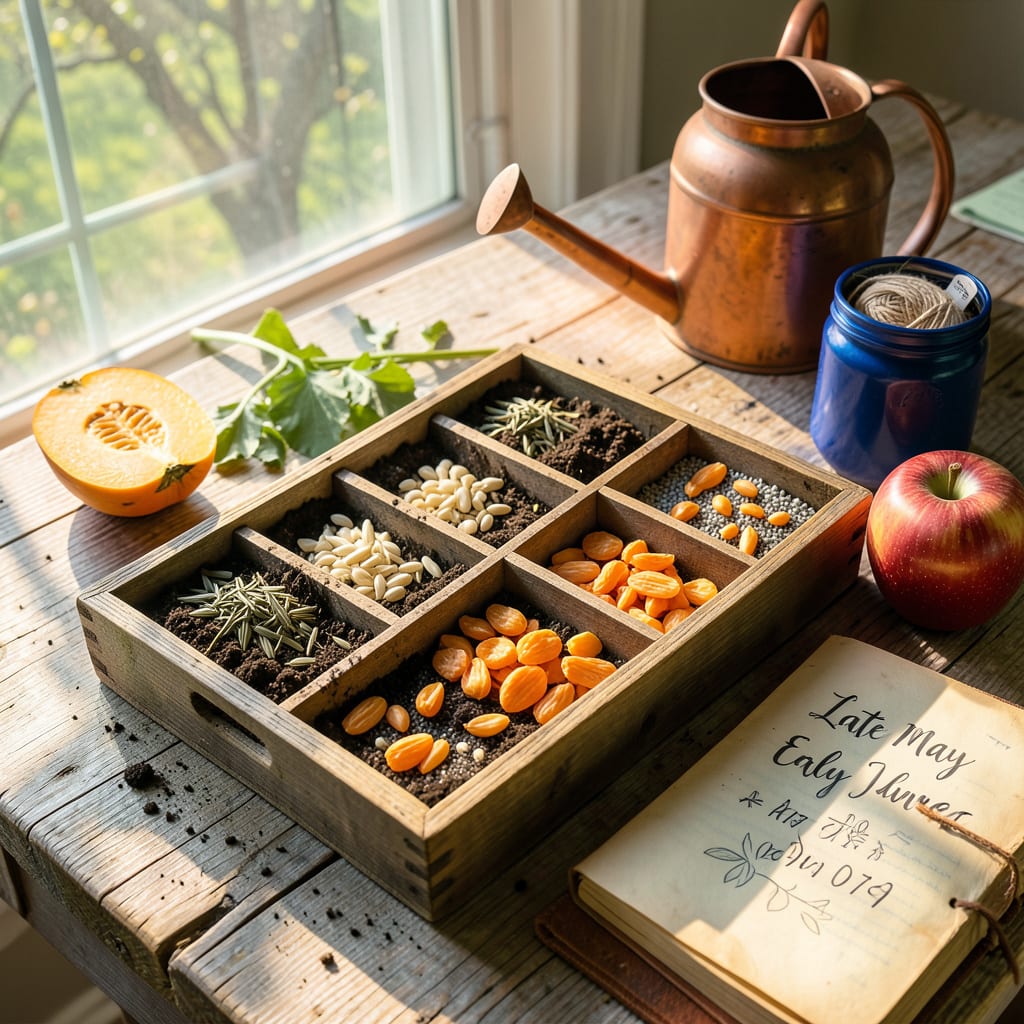
Late May in Connecticut means one thing: pumpkin planting time. I’ve learned the hard way that timing is everything—plant too early, and a late frost wipes out seedlings; plant too late, and you’re left with green pumpkins at Halloween. The sweet spot? 1-2 weeks after the last frost, when soil hits 60°F—usually around Memorial Day weekend.
This isn’t just about dates, though. Connecticut’s zones 5b–7a mean microclimates matter. Coastal gardeners can push planting a week earlier, while inland folks should wait. Choose varieties wisely: ‘Howden’ for jack-o’-lanterns, ‘Sugar Pie’ for baking. Trust me, nailing this timing means vines sprawling by July and perfect pumpkins by October.
📚 In This Guide
Timing is everything when you want those perfect autumn pumpkins—here’s exactly when and how to get it right.
In Connecticut, pumpkins need 90-120 days to mature before the first frost. Our average first frost hits around mid-October, so count backward: late May through early June is your ideal planting window. I always check the Farmer’s Almanac frost calculator for my specific town—coastal areas can plant a week earlier than inland.
Don’t rush it. Soil temperature must be at least 60°F—pumpkin seeds rot in cold ground. Use a soil thermometer at 4 inches deep where you’ll plant. If it reads below 55°F, wait. I’ve lost entire plantings by jumping the gun in chilly May soil.
Choose a spot with full sun (8+ hours daily) and well-draining soil. Pumpkins are heavy feeders, so work in 2-3 inches of compost or aged manure into the top 12 inches of soil. I avoid fresh manure—it burns tender roots. The soil should crumble easily in your hand when properly amended.
Create mounds (called “hills”) that are 12 inches tall and 24 inches wide, spaced 4-6 feet apart. This improves drainage and warms the soil faster. If your soil is heavy clay, mix in some sand or straw to loosen it. Pumpkin vines spread 10-20 feet, so give them room or plan to train vines vertically.
Plant 4-5 seeds per hill, pushing them 1 inch deep with the pointed end facing down. Space seeds 2-3 inches apart within the hill. Water gently but thoroughly after planting—the soil should feel moist like a wrung-out sponge. I use a watering can with a rose attachment to avoid washing seeds away.
Cover the hills with black plastic mulch if you can—it warms the soil and speeds germination. Without mulch, expect sprouts in 7-10 days when soil is warm. Thin to the 2 strongest seedlings per hill once they develop 2-3 true leaves (not just the first seed leaves). Use scissors to snip unwanted seedlings at soil level—pulling them disturbs the roots of keepers.
Connecticut’s spring weather is unpredictable. Cover new seedlings with floating row covers if nights dip below 50°F. Remove covers during the day when temperatures rise above 75°F to prevent overheating. I’ve saved countless seedlings from late frosts with this simple step.
Watch for squash bugs and cucumber beetles—they appear as soon as true leaves form. Handpick any eggs you find on leaf undersides (they look like tiny bronze footballs). A 1-inch layer of straw mulch around plants deters pests and retains moisture. Water at the base in mornings to keep leaves dry and prevent powdery mildew.
Pumpkins are ready to harvest when the rind hardens and resists puncture from a fingernail. The stem should be dry and woody, and the fruit should have reached its expected color. In Connecticut, this typically happens late September through October, depending on your planting date.
Cut pumpkins from the vine leaving 3-4 inches of stem—never carry them by the stem, as it can break and lead to rot. Cure pumpkins in the sun for 7-10 days to harden the skin for storage. I’ve stored properly cured pumpkins for 2-3 months in a cool, dry basement.
After years of trial and error in my Connecticut garden, I’ve learned these key lessons that make all the difference between a disappointing harvest and pumpkin perfection.
Soil Temperature Secret: The 60°F soil requirement in Step 1 isn’t just a suggestion—it’s critical. I learned this the hard way after losing three plantings to rot. Use a soil thermometer at exactly 4 inches deep where you’ll plant, and check it at the same time each morning for consistency. Coastal gardeners often hit this temperature a week before inland areas, so don’t rely on your neighbor’s timing. If your soil reads below 55°F, resist the urge to plant—waiting those extra days prevents heartbreak later.
Hill Preparation Technique: When creating those 12-inch tall hills in Step 2, here’s what nobody tells you: pack them firmly at the base but keep the top loose. This creates better drainage while allowing tender roots to penetrate easily. I mix a handful of sand into each hill’s center to improve warmth retention. The 4-6 foot spacing might seem excessive, but remember those vines spread 10-20 feet—crowding leads to disease and smaller pumpkins.
Seed Planting Wisdom: In Step 3, when planting those 4-5 seeds per hill, orientation matters more than you think. Always plant with the pointed end down—this helps the seedling emerge more easily. The 1-inch depth is perfect, but here’s my trick: after planting, gently firm the soil over each seed with your fingertip to ensure good seed-to-soil contact. Without black plastic mulch, those 7-10 days to germination can stretch to 14 if nights stay cool, so be patient.
Seedling Protection Strategy: The floating row covers mentioned in Step 4 are game-changers, but here’s how to use them like a pro: secure the edges with soil or rocks to prevent wind from whipping them off. When nights dip below 50°F, add a second layer of lightweight fabric over the row covers for extra protection. Remove everything by 9 AM when temperatures rise above 75°F—pumpkin seedlings can overheat quickly. I’ve found that straw mulch works better than wood chips for deterring pests while maintaining soil moisture.
Yes! Late May is ideal for planting pumpkins in Connecticut, as long as the soil temperature is consistently above 60°F. Wait until after the last frost (typically mid-May) to avoid cold damage. Early varieties can go in slightly sooner, but June 1 is a safe bet for most.
Planting too early (before soil warms to 60°F) risks rot, stunted growth, or frost damage. Pumpkin seeds need warm soil to germinate—cold temps can delay sprouting or kill seedlings. Use row covers if planting early, or start seeds indoors 2–3 weeks before transplanting.
Yes, but choose bush varieties (like ‘Jack Be Little’) and use large containers (10+ gallons) with drainage. Dwarf types thrive on patios, but vining pumpkins need ground space. Ensure full sun (6+ hours/day) and consistent watering—containers dry out faster!
Lack of sun, immature fruit, or nutrient deficiencies (especially nitrogen) can delay color change. Pumpkins need 90–120 days to mature—check your variety’s timeline. If vines die early, harvest green pumpkins and ripen indoors in a warm, sunny spot.
For October harvests, plant by July 1 (earlier for giant varieties). Most pumpkins need 75–100 days to mature. Late plantings risk frost damage—use row covers to extend the season if needed. ‘Early Sweet Sugar Pie’ is a fast option (85 days).
