
Beautiful Plants For Your Interior
Beautiful Plants For Your Interior
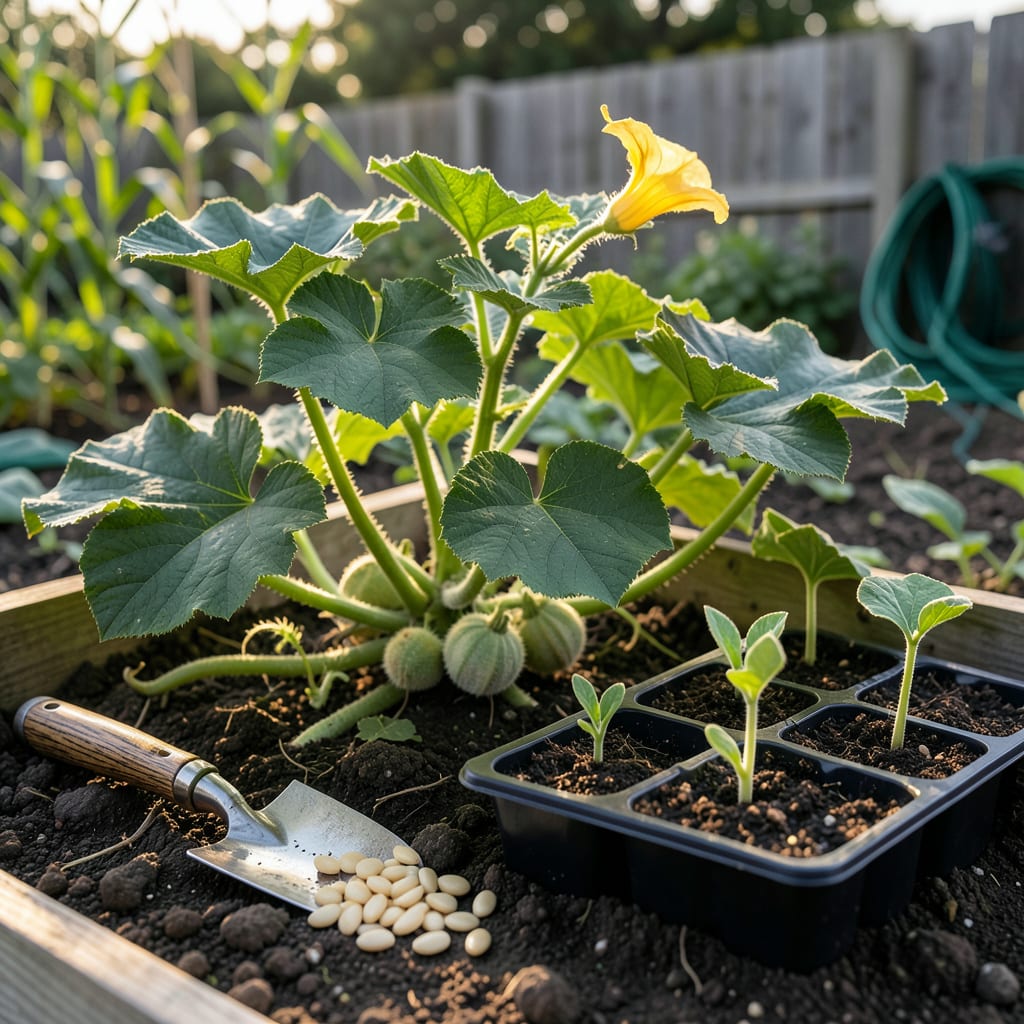
Timing is everything when growing 🎃 pumpkins in Colorado’s unpredictable climate. Plant too early, and a late frost could wipe out your seedlings; wait too long, and your harvest might never fully mature before winter’s first freeze.
After years of testing what works in Zone 5b, I’ve nailed down the perfect window for planting. Whether you’re in Denver’s Front Range or the high country, I’ll show you exactly when to get those seeds in the ground for a bountiful fall harvest.
Colorado’s diverse climate zones mean pumpkin planting dates vary wildly. In Denver’s Front Range, you’ll plant later than gardeners in Grand Junction, while mountain areas need extra caution. The key? Wait until soil temps hit 60°F—usually 2-3 weeks after last frost.
I’ve found that late May to early June works for most of Colorado, but high-altitude gardeners should push to early June. Always check your local frost dates—CSU Extension’s tool is my go-to. Remember: Pumpkins need 90-120 frost-free days to mature fully.
| Region | Last Frost Date | Planting Window | Days to Maturity |
|---|---|---|---|
| Front Range (Denver, Boulder) | May 10–15 | May 20–June 5 | 90–110 days |
| High Plains (Fort Collins, Greeley) | May 5–10 | May 15–May 30 | 100–120 days |
| Western Slope (Grand Junction) | April 20–25 | May 1–May 15 | 85–100 days |
| Mountain Areas (Above 7,000 ft) | June 1–10 | June 10–20 | 75–90 days (fast varieties only) |
*Soil temp must be ≥60°F for germination. Use black plastic mulch to warm soil faster in cooler zones.
For high-altitude gardens (above 6,000 ft), I recommend starting seeds indoors 3-4 weeks before transplanting. Use biodegradable pots to avoid root shock. In Denver’s urban heat islands, you might push planting to mid-May if soil warms early.
Soil prep is critical in Colorado’s clay-heavy dirt. I amend my beds with compost and sand to improve drainage. A soil thermometer is worth its weight in gold—don’t guess! Pumpkin seeds rot in cold, wet soil, so wait for consistency.
If you’re in the Western Slope, your longer season allows for larger varieties like ‘Howden’. But in the mountains, stick to ‘Small Sugar’ or ‘Jack Be Little’—they mature in 85 days and handle cooler nights better.
Watch the 10-day forecast before planting. If nights dip below 50°F, hold off or use row covers. I lost a whole crop one year to a late May snowstorm in Evergreen—lesson learned! Colorado weather keeps us humble.
For fastest germination, soak seeds in lukewarm water for 2 hours before planting. Space hills 4-5 feet apart—pumpkins need room! In windy areas (looking at you, Eastern Plains), plant near a windbreak or use stakes.
Remember: Pumpkins hate cold feet. In cooler zones, lay black plastic mulch 2 weeks before planting to warm the soil. I’ve seen this trick add 10-14 days to the growing season in Breckenridge gardens. Pair it with drip irrigation to keep foliage dry and prevent mildew.
Pro tip: Mark your first fall frost date on the calendar (around October 10 for most of Colorado) and count backward based on your variety’s days to maturity. This ensures you’re not caught with green pumpkins when the snow flies! 🎃
Colorado’s short growing season and unpredictable weather make pumpkin planting tricky. I’ve seen gardeners lose entire crops by making just one of these common errors. The biggest mistake? Ignoring microclimates—your neighbor’s success doesn’t guarantee yours if you’re in a frost pocket.
Another frequent issue is misjudging the season length. Many pumpkin varieties need 100-120 days to mature, but Colorado’s average frost-free window is only about 150 days. Plant too late, and you’ll be left with green pumpkins when the first snow hits. Trust me, I’ve been there! 🎃
*Fix these, and you’ll double your chances of a successful harvest!
I once made the costly error of planting pumpkins in mid-April during a warm spell. A late snowstorm wiped out every seedling. Now I wait until soil temps stay above 60°F for 5 consecutive days—no exceptions. Use black plastic mulch to speed warming if you’re impatient like me.
Another pitfall is overcrowding plants. Pumpkin vines need 10-12 feet of space to sprawl. I plant in hills 4-5 feet apart and train vines in different directions. In small gardens, try bush varieties like ‘Bushkin’ or grow vertically on a sturdy trellis (support fruit with netting!).
Watering mistakes kill more pumpkins than frost. Avoid overhead watering—it promotes powdery mildew. I use drip irrigation on a timer for consistent moisture. Aim for 1-2 inches per week, more during fruit set. Let soil dry slightly between waterings to prevent root rot.
Finally, don’t forget pollination help. Colorado’s native bees are great, but I hand-pollinate using a small paintbrush on cool mornings when bees are less active. Watch for female flowers (they have a tiny fruit at the base) and transfer pollen from male blooms. This simple step can boost yields by 30%!
Remember: Colorado’s climate demands flexibility. Keep row covers handy for unexpected cold snaps, and be ready to harvest early if frost threatens. I once picked pumpkins at 80% orange and ripened them indoors—better than losing them to frost! 🌡️
Not all pumpkin varieties thrive in Colorado’s short growing season. The difference between harvesting a mature jack-o’-lantern and a tiny green pumpkin often comes down to choosing the right type. In our 150-day frost-free window, every day counts!
I’ve tested dozens of varieties across Colorado’s zones, and the winners are always fast-maturing types under 100 days. But if you’re in the Western Slope with a longer season, you can experiment with larger, slower varieties. The key is matching days to maturity with your local frost dates.
| Variety | Days to Maturity | Best For | Size |
|---|---|---|---|
| Small Sugar | 85 days | Mountains, short seasons | 6-8 lbs |
| Jack Be Little | 90 days | Containers, small spaces | 1 lb |
| Early Giant 300 | 100 days | Front Range, pies | 20-30 lbs |
| Howden | 110 days | Western Slope, carving | 25-35 lbs |
| Cinderella’s Carriage | 105 days | High Plains, decor | 15-20 lbs |
*Avoid varieties over 120 days unless you’re in Zone 7 or using season extenders.
For high-altitude gardens (above 7,000 ft), I swear by ‘Small Sugar’—it’s my go-to for reliable harvests. In Denver’s Zone 5b, ‘Early Giant 300’ gives you that classic pumpkin shape with enough time to mature. Always check the seed packet for exact days!
Want to grow giant pumpkins? Stick to the Western Slope where the season is longer. Even then, use black plastic mulch and row covers to gain extra weeks. I’ve seen ‘Big Max’ (120 days) succeed in Grand Junction with these tricks.
Here’s my pro tip: Start fast varieties indoors in biodegradable pots 3-4 weeks before transplanting. This gives you a head start without root disturbance. Just harden off seedlings for 7-10 days before moving them outside.
Remember, bigger isn’t always better in Colorado. A small, mature pumpkin beats a half-ripe giant every time. Focus on varieties that fit your exact growing window, and you’ll be carving homegrown jack-o’-lanterns by October! 🎃
For Denver’s Front Range, aim for May 20–June 5 after the last frost (typically May 10–15). Always check soil temperature—it must be ≥60°F for at least 5 consecutive days. Use a soil thermometer for accuracy!
Yes! Start seeds in biodegradable pots 3–4 weeks before transplanting. This works especially well for high-altitude gardens (above 6,000 ft). Harden off seedlings for 7–10 days before moving them outside to avoid shock.
Use row covers or cloches to shield young plants if cold snaps are forecasted. In windy areas, secure covers with stakes or rocks. Avoid plastic touches leaves—condensation can cause frost damage. Always remove covers during the day to prevent overheating.
Count backward from your area’s first fall frost date (around October 10 for most of Colorado). Choose varieties with days to maturity that fit your window. For example, ‘Small Sugar’ (85 days) is ideal for short seasons.
It warms soil 10–14 days earlier in cooler zones like Breckenridge. Lay it 2 weeks before planting to speed germination. Bonus: It suppresses weeds and retains moisture. Pair it with drip irrigation to keep foliage dry and prevent mildew.
