
Beautiful Plants For Your Interior
Beautiful Plants For Your Interior
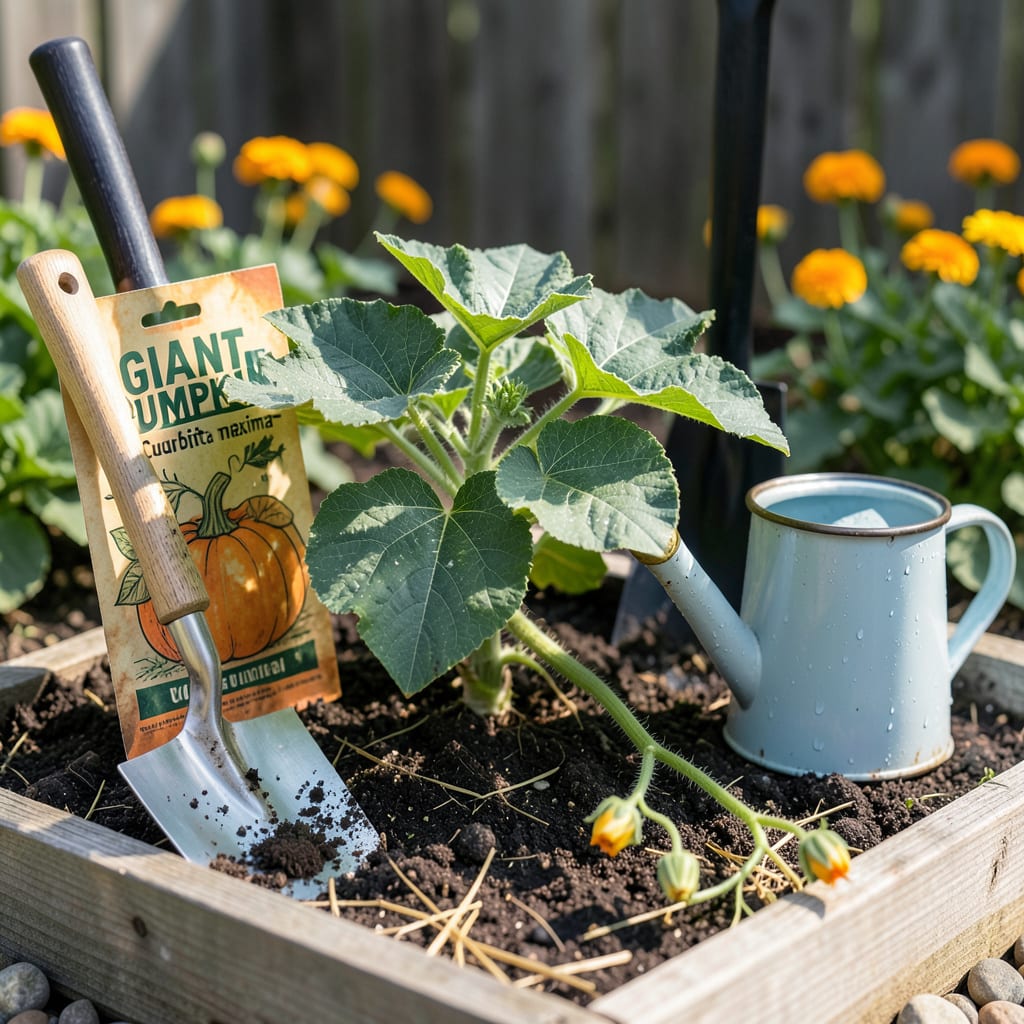
Timing your pumpkin planting in Arizona isn’t just about the calendar—it’s about outsmarting the desert’s extremes. Plant too soon, and cool soils stall growth; wait too long, and scorching heat wilts your vines before harvest.
I’ve tested the perfect window for Arizona’s zones, and it’s simpler than you think. Whether you’re in Phoenix’s low desert or Flagstaff’s high country, I’ll show you exactly when to plant for plump, vibrant 🎃—without the guesswork. Let’s get it right the first time.
Even experienced gardeners can trip up when planting pumpkins in Arizona’s finicky climate. The biggest blunder I see? Ignoring your microclimate. A Phoenix backyard acts like an oven, while a Flagstaff plot stays cooler—what works in one zone flops in another.☀️
Another costly error is misjudging monsoon season. Many assume summer rains mean less watering, but pumpkins need consistent moisture—especially when fruits form. Sudden downpours can also rot young plants if soil isn’t well-draining. Let’s fix these before they wreck your harvest.💧
Pumpkin seeds rot below 70°F. Use a soil thermometer—wait until temps stay above 75°F at 4″ depth.
‘Atlantic Giant’ needs 130 days—too slow for Arizona. Pick ‘Early Giant’ (90 days) or ‘Small Sugar’ (100 days) instead.
Young plants fry in 110°F+ heat. Use 30% shade cloth until vines establish, then remove for full sun.🌱
The third mistake is overlooking soil prep. Arizona’s alkaline, sandy soil starves pumpkins of nutrients. I mix in 3 inches of compost and a handful of sulfur (to lower pH) before planting. Without this, vines grow weak, and fruits stay small.🪴
Watering mistakes round out the top errors. Many gardeners drown seedlings or let mature plants dry out. The fix? Drip irrigation on a timer—1 inch of water weekly, deep at the base, never on leaves. Adjust during monsoon season to avoid root rot.💧
Lastly, don’t forget pest patrols. Squash bugs and cucumber beetles love Arizona pumpkins. I check undersides of leaves weekly and spray neem oil at first sight. Row covers work too, but remove them when flowers appear for pollination.✂️
Fix these five issues, and you’ll sidestep 90% of Arizona pumpkin problems. Next, let’s talk about the best varieties that thrive in our heat—because not all pumpkins are created equal for desert growing!🎃
Not all pumpkins can handle Arizona’s blazing summers and short fall season. After years of testing, I’ve found the top performers that thrive in our heat, mature quickly, and resist common desert pests. The key? Focus on 90–100-day varieties with built-in drought tolerance.☀️
For low-desert gardeners (Phoenix, Tucson), I swear by ‘Cinderella’ (Rouge Vif d’Etampes)—its flat shape resists sunburn, and it matures in just 95 days. If you want classic jack-o’-lanterns, ‘Early Giant’ delivers in 90 days with minimal fuss. Both handle 100°F+ temps like champs.🎃
| Variety | Days to Harvest | Heat Tolerance | Best For |
|---|---|---|---|
| Cinderella | 95 days | ⭐⭐⭐⭐⭐ | Low desert, pies, decor |
| Early Giant | 90 days | ⭐⭐⭐⭐ | Jack-o’-lanterns, urban gardens |
| Small Sugar | 100 days | ⭐⭐⭐⭐ | Pie pumpkins, high desert |
| Jack Be Little | 85 days | ⭐⭐⭐⭐⭐ | Container gardens, kids’ projects |
For high-desert areas (Flagstaff, Prescott), ‘Small Sugar’ is my go-to. It handles cooler nights and still ripens before frost. If space is tight, ‘Jack Be Little’ fits in containers and matures in 85 days—perfect for patios. Both varieties have thick rinds that resist cracking in dry air.🌡️
Pro tip: Always check the seed packet for “disease-resistant” labels. Arizona’s warm soils breed powdery mildew and squash bugs. Varieties like ‘Gladiator’ (100 days) fight both while still delivering 12–15 lb fruits. Pair them with neem oil sprays every 2 weeks for bulletproof vines.✂️
Lastly, skip the giant pumpkin varieties—most need 120+ days, which Arizona’s fall simply can’t provide. Stick to compact, early-maturing types, and you’ll harvest plump, healthy pumpkins every time. Next up: let’s talk about soil prep to give your seeds the best start!🪴
Pumpkin seeds need soil temps above 70°F to germinate properly. In Arizona, wait until soil reaches 75°F+ at 4″ depth—usually late July for low desert or May for high desert. Use a soil thermometer to check.
It’s risky in Arizona. Pumpkins dislike root disturbance, and indoor starts often struggle when transplanted into hot soil. Direct sowing works best here—just plant during the recommended window for your zone.
Use 30% shade cloth during peak afternoon heat (1–4 PM) until vines establish. Drip irrigation at the base keeps roots cool without wetting leaves. Remove shade once plants mature to ensure full sun exposure.
Choose faster-maturing varieties like ‘Jack Be Little’ (85 days) or ‘Early Giant’ (90 days). If time’s tight, harvest green pumpkins and cure them in a warm, dry spot—they’ll ripen off the vine.
