
Beautiful Plants For Your Interior
Beautiful Plants For Your Interior
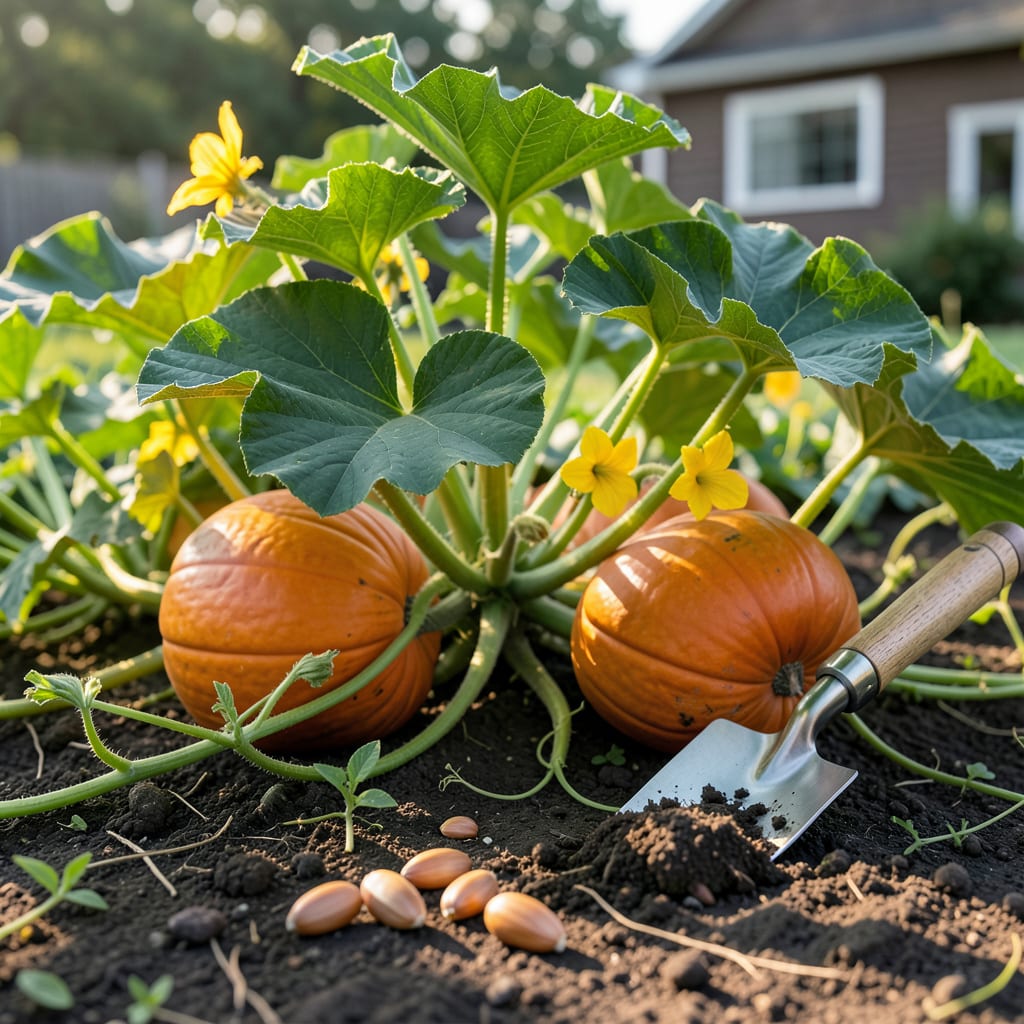
Timing is everything when growing 🎃 Pumpkin for a Halloween or autumn display. Plant too early, and your Pumpkins may rot before October.
Plant too late, and they won’t mature in time. I’ll show you how to hit that sweet spot for a perfect harvest.

To get pumpkins ready for October, you need to count backward from your desired harvest date. Most pumpkin varieties take 75-100 days to mature, so timing is crucial for that perfect fall display.
Your USDA hardiness zone plays a big role in determining the best planting window. Warmer zones can plant later, while cooler areas need an earlier start to avoid frost damage.
| Climate Zone | Planting Window | Days to Maturity |
|---|---|---|
| Zones 3-4 | Late May to early June | 75-90 days |
| Zones 5-6 | Mid to late May | 80-100 days |
| Zones 7-8 | Early to mid-July | 85-100 days |
| Zones 9-10 | Late July to early August | 90-120 days |
For zones 3-4, the short growing season means you should plant pumpkin seeds as soon as the soil warms to 60°F. Use black plastic mulch to speed up warming if needed.
In zones 5-6, you have more flexibility. I recommend starting seeds indoors 2-3 weeks before the last frost date for a head start. Transplant seedlings after the danger of frost has passed.
Gardeners in zones 7-8 can direct-sow seeds in early summer. The heat-loving pumpkins will thrive in the warm soil, but watch for drought conditions during fruiting.
If you’re in zones 9-10, your biggest challenge is the heat. Plant in late summer for a fall harvest, and provide afternoon shade to protect developing fruits from sunscald.
Remember, these are general guidelines. Always check your local frost dates and adjust accordingly. A sudden early frost can ruin an entire crop, so keep an eye on the weather forecast.
For the best results, I suggest choosing fast-maturing varieties like ‘Early October’ or ‘Jack Be Little’ if you’re in a cooler zone. These can produce ripe pumpkins in as little as 75 days.
In warmer zones, you can experiment with larger varieties like ‘Howden’ or ‘Gladiator’, which may take up to 120 days but produce impressive fruits perfect for carving or display.
Calculating the ideal planting time starts with your pumpkin variety’s days to maturity. Check the seed packet for this number—it’s your roadmap to a timely October harvest.
For example, if you’re growing ‘Jack-O’-Lantern’ pumpkins that take 90 days to mature and want them ready by October 15, count backward on the calendar.
In my experience, giant pumpkins like ‘Atlantic Giant’ need 120-150 days, so I start seeds indoors in late April for a zone 6 garden. This gives them a head start before transplanting.
For smaller varieties like ‘Small Sugar’ (pie pumpkins) that mature in 85 days, direct sowing in early July works perfectly for a mid-October harvest in warmer zones.
If you’re unsure about your variety, 75-100 days is a safe range for most standard pumpkins. When in doubt, plant a few seeds 2 weeks apart for a staggered harvest.
Even with perfect timing, simple mistakes can derail your October pumpkin harvest. I’ve seen gardeners lose entire crops by overlooking key details in the growing process.
One of the most common errors is planting in cold soil. Pumpkin seeds need soil temps of 60°F or higher to germinate. Planting too early in chilly soil leads to rot or poor sprouting.
⚠️ Warning: Avoid planting pumpkins in cold soil or ignoring pollination. Both can ruin your October harvest before it even starts!
Another pitfall is ignoring pollination. Pumpkins need bees to transfer pollen between male and female flowers. If bees are scarce, hand-pollinate using a small brush in the morning.
Overwatering is a frequent issue, especially during fruiting. While pumpkins need consistent moisture, soggy soil can cause root rot. Aim for 1-2 inches of water per week, watering deeply at the base.
Finally, choosing slow-maturing varieties can leave you with green pumpkins in October. Stick to varieties that mature in 75-100 days for reliable results. If you’re set on a longer-maturity type, start seeds indoors early.
By avoiding these common mistakes, you’ll be well on your way to a bountiful October pumpkin harvest ✂️
In most zones, early July is the absolute latest for standard varieties. Use fast-maturing types like ‘Early October’ (75 days) if planting after June 15.
Pumpkin seeds require minimum 60°F soil temperature to germinate. Use a soil thermometer and black plastic mulch to warm cold ground in spring.
Yes! Start indoors 2-3 weeks before last frost in peat pots. Transplant carefully—pumpkins dislike root disturbance. Keep soil at 70°F for best germination.
Likely planted too early in cool, wet conditions. Ensure soil is 60°F+ and space plants for airflow. Harvest immediately if frost threatens.
