
Beautiful Plants For Your Interior
Beautiful Plants For Your Interior
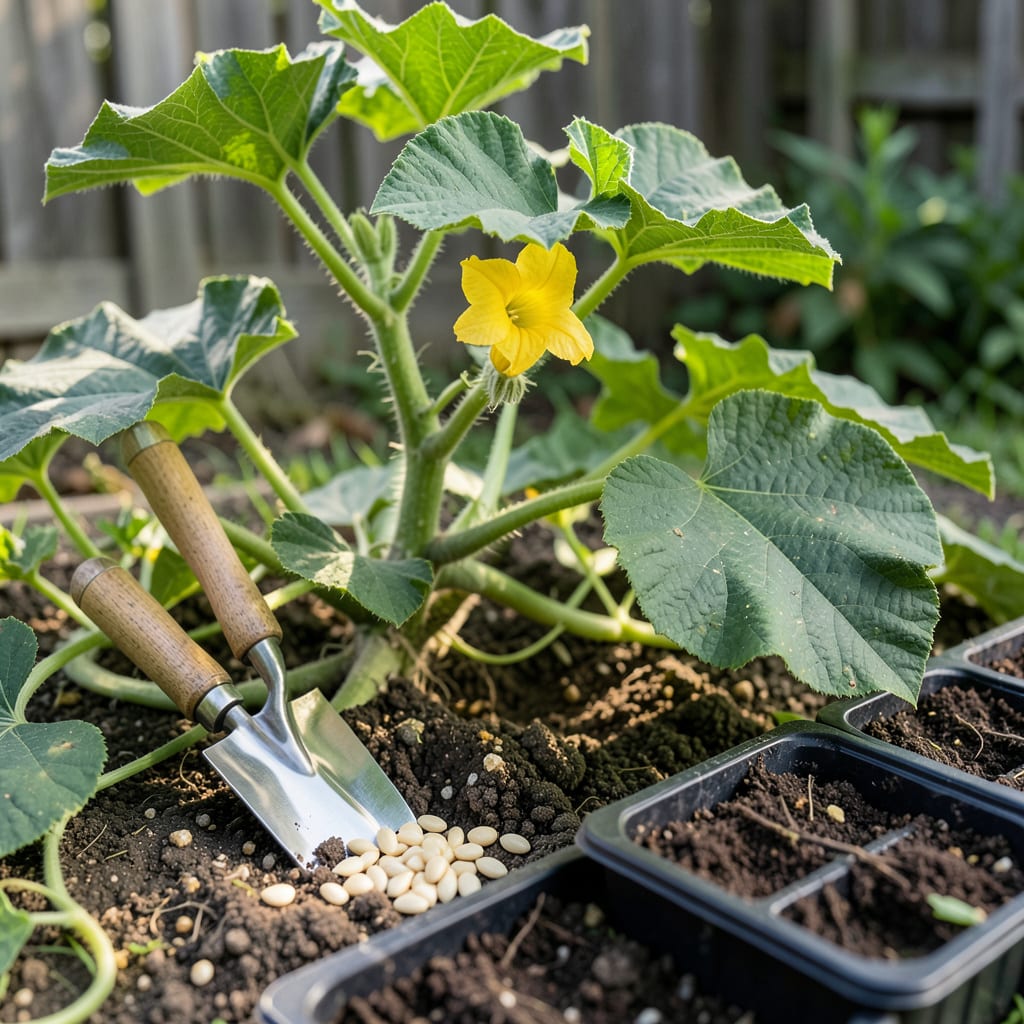
Timing your 🎃 pumpkin patch in Texas isn’t just about picking a date—it’s about outsmarting the weather. Plant too early, and a late frost might wipe out your seedlings. Wait too long, and the summer heat could fry your vines before they even set fruit.
After years of testing (and a few failed harvests), I’ve nailed down the perfect window for Texas gardeners. Whether you’re in the Panhandle or the Gulf Coast, I’ll show you exactly when to get those seeds in the ground for a bigger, healthier fall harvest. Let’s make this your best pumpkin season yet.
If you’re dreaming of carving Texas-sized jack-o’-lanterns or baking pumpkin pies with homegrown fruit, nailing the planting window is critical. Texas spans USDA zones 6b to 10a, meaning your ideal planting date shifts dramatically from Amarillo to Brownsville. Let me break down the regional differences.
In North Texas (Zone 8a), where late frosts linger, I recommend waiting until mid-April to sow seeds directly. Central Texas gardeners (Zone 8b) can push planting to late March, while South Texas growers (Zone 9a-10a) often start as early as February for a fall harvest.
| Region | USDA Zone | Planting Window | Last Frost Date |
|---|---|---|---|
| North Texas | 7b-8a | April 15 – June 1 | March 15 |
| Central Texas | 8b | March 20 – May 15 | February 15 |
| South Texas | 9a-10a | February 1 – March 30 | January 30 |
| East Texas | 8a-9a | March 15 – May 1 | March 1 |
| West Texas | 7a-8a | April 1 – May 15 | March 20 |
Note: Adjust dates by 2 weeks earlier for coastal areas and 2 weeks later for high elevations.
For fall pumpkins, I always count backward from your first frost date. Most varieties need 90-120 days to mature, so if you want Halloween pumpkins in Dallas (first frost ~November 15), plant by early July at the latest.
Don’t forget soil temperature matters more than calendar dates! Pumpkin seeds need minimum 60°F soil to germinate, but 70°F+ is ideal. Use a soil thermometer or check your local extension office’s reports. In South Texas, I’ve seen seeds rot in cold, wet February soil.
If you’re in Zone 9a or warmer (like Houston or Corpus Christi), you can try a second planting in late summer for Thanksgiving pumpkins. Just be ready to battle squash vine borers and powdery mildew in the heat.
For West Texas gardeners, water availability often dictates timing. I recommend planting slightly later (early May) to avoid late frosts, but ensure you have drip irrigation set up before temperatures hit 100°F+ in June.
The Gulf Coast region has its own challenges with humidity. Here, I plant March 15-April 1 to avoid peak mosquito season and give vines time to establish before hurricane season’s heavy rains. Use raised beds if your soil doesn’t drain well.
Remember, pumpkin varieties matter too! For Texas heat, I love ‘Cinderella’ (Rouge Vif d’Etampes) and ‘Texas Gourd’ for their heat tolerance. Smaller varieties like ‘Jack Be Little’ do well in containers if space is limited.
Pro tip: Start seeds indoors 3-4 weeks early if you’re in a short-season area like the Panhandle. Use biodegradable pots to avoid transplant shock. Just be sure to harden off seedlings before moving them outside!
No matter where you are in Texas, always mulch heavily (3-4 inches of straw) to conserve moisture and keep soil temps stable. And watch for squash bugs—they love Texas as much as we do! 🌱
Planting pumpkins in Texas isn’t just about marking a date on your calendar. I’ve learned the hard way that soil temperature, variety selection, and even moon phases can make or break your harvest. Let me share the five factors that truly determine when to plant.
First, soil temperature is your most reliable guide. Pumpkin seeds need at least 60°F to germinate, but they thrive at 70°F+. In South Texas, I’ve seen seeds rot in cold February soil, while North Texas gardeners often wait until April when the ground warms consistently.
The pumpkin variety you choose dramatically affects your planting window. Fast-maturing types like ‘Jack Be Little’ (85 days) can be planted later than giant varieties like ‘Dill’s Atlantic’ (120 days). In hot zones, I always recommend heat-tolerant varieties.
Drought conditions are a reality in much of Texas. If you’re in West Texas or facing water restrictions, consider planting in late May when you can ensure consistent moisture. Drip irrigation systems are worth their weight in gold during our 100°F+ summers.
Pest pressure is another critical factor. Squash bugs and vine borers thrive in Texas heat. I’ve found that early planting (February-March in South Texas) often avoids the worst pest outbreaks. For summer plantings, be prepared with row covers and neem oil treatments.
Finally, don’t underestimate the power of moon phase planting. While not scientifically proven, many Texas gardeners (myself included) swear by planting during the waxing moon for better germination. The Old Farmer’s Almanac still publishes these cycles for a reason!
Remember, these factors interact. A heat-tolerant variety might let you plant earlier, but if your soil is still cold, you’ll need to warm it artificially. Always check your local frost dates and adjust for microclimates—urban areas often stay warmer than rural ones. 🌱
Even experienced Texas gardeners can make critical mistakes when planting pumpkins. I’ve seen entire crops lost from simple errors like poor timing or ignoring pollinators. Let me share the most common pitfalls and how to avoid them.
The biggest mistake I see is planting too late in spring. Many gardeners wait until May, but in most of Texas, this means your pumpkins will mature during peak summer heat, leading to poor fruit set. Aim for March-April in most regions.
Fix it: Use raised beds, plant in hills, and invite bees with companion flowers.
Another costly error is neglecting soil prep. Pumpkins need rich, well-draining soil with plenty of compost. I’ve rescued struggling plants by amending heavy clay with sand and organic matter before planting.
Watering mistakes are surprisingly common. Many gardeners either overwater seedlings (causing rot) or underwater mature plants (leading to cracked fruit). Aim for 1-1.5 inches weekly, adjusting for rain and heat.
Finally, don’t forget about pest prevention. Squash bugs and vine borers thrive in Texas. I lost an entire crop once by not using row covers early in the season. Now I apply diatomaceous earth weekly and inspect vines daily.
Remember, pumpkins need 75-120 days to mature. Always count backward from your first frost date to ensure harvest before cold weather hits. With proper timing and care, you’ll be rewarded with vibrant, healthy pumpkins! 🎃
Pumpkin seeds need minimum 60°F soil to germinate, but 70°F+ is ideal for strong growth. Use a soil thermometer to check—cold soil causes seeds to rot. In South Texas, wait until February’s chill passes.
Only in North/Central Texas (Zones 7b-8b). Count backward 90-120 days from October 31. For Dallas, plant by early July at latest. South Texas gardeners should avoid summer planting due to extreme heat.
Use row covers or cloches for North Texas plantings before April 15. Remove covers during daytime when temps exceed 80°F to prevent overheating. Always check the 10-day forecast before planting.
‘Cinderella’ and ‘Texas Gourd’ thrive in our climate. For small spaces, try ‘Jack Be Little’ (85 days). Avoid giant varieties unless you’re in cooler zones—they struggle with 100°F+ temperatures.
Planting too late! Many wait until May, but pumpkins mature during peak summer heat, reducing yield. Aim for March-April in most regions. Also,
