
Beautiful Plants For Your Interior
Beautiful Plants For Your Interior
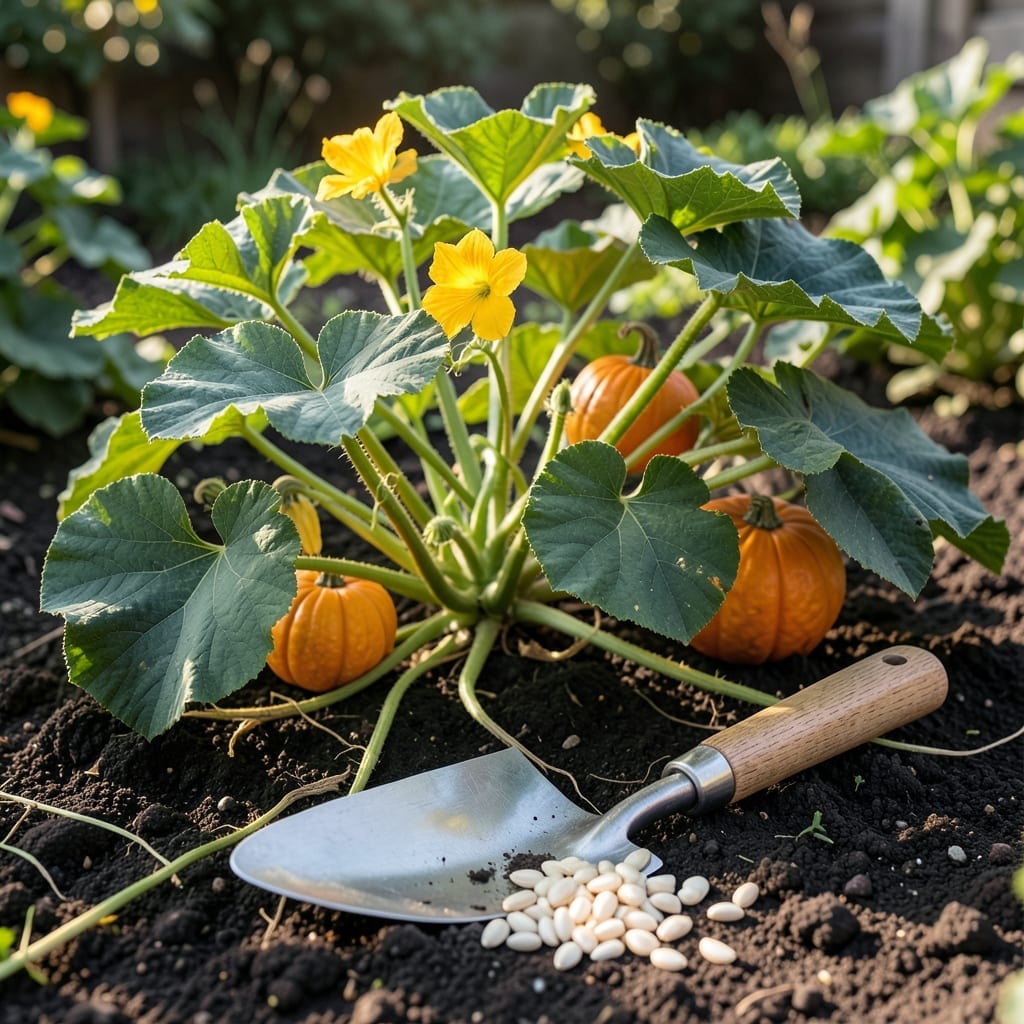
Timing is everything when growing 🎃 Pumpkin in Oregon. Plant too early, and frost will wipe out your seedlings. Wait too long, and you might miss that perfect Halloween harvest.
Oregon’s diverse climate means what works in the Willamette Valley won’t always apply to the high desert. I’ve learned the hard way that even a few days can make all the difference.
Whether you’re in zone 8b-9a or dealing with coastal fog, getting the timing right is the key to plump, orange pumpkins. The good news? It’s simpler than you think once you know the rules.
Discover the exact window for planting Pumpkin seeds in Oregon, plus the soil prep that’ll give your vines a head start. Let’s get your patch on track for a bountiful fall.
Oregon’s diverse climates mean pumpkin planting times vary significantly. In the Willamette Valley, where frost typically ends by April 15, you can start seeds indoors in early May or direct-sow after the last frost. The coastal regions stay cooler longer, so wait until late May or early June.
For Eastern Oregon, with its high desert climate and later frosts, hold off until early June. Southern Oregon often warms up faster, allowing planting in mid-May. Always check your local frost dates for precision.
| Region | Last Frost Date | Planting Window | Soil Temp Requirement |
|---|---|---|---|
| Willamette Valley | April 15 | Early to Mid-May | 60°F+ |
| Coastal Oregon | May 1 | Late May to Early June | 65°F+ |
| Eastern Oregon | May 15 | Early June | 70°F+ |
| Southern Oregon | April 20 | Mid to Late May | 60°F+ |
Soil temperature is critical for pumpkin seed germination. Use a soil thermometer to confirm temperatures are consistently above 60°F. In cooler areas, black plastic mulch can help warm the soil faster.
If you’re eager to get a head start, begin seeds indoors 2-4 weeks before your last frost date. Use peat pots for easy transplanting. Harden off seedlings for 7-10 days before moving them outside.
In the Willamette Valley, the long growing season allows for multiple plantings. Try a second batch in early July for a late fall harvest. Just ensure you have 100-120 days before the first frost.
Eastern Oregon’s shorter season demands quick-maturing varieties like ‘Small Sugar’ or ‘New England Pie’. These typically mature in 85-100 days, fitting neatly into the frost-free window.
For coastal gardeners, choosing disease-resistant varieties like ‘Howden’ can combat the humid conditions. Always space plants 4-6 feet apart to ensure good air circulation.
Remember, microclimates can shift these dates. Urban areas, south-facing slopes, or spots near heat-absorbing structures may warm up faster. When in doubt, observe your garden’s specific conditions.
Finally, keep an eye on the 10-day forecast before planting. A surprise late frost can wipe out young seedlings, so be prepared to cover plants if temperatures dip unexpectedly.
With the right timing, you’ll be rewarded with vibrant vines and plump pumpkins just in time for fall celebrations ☀️
Oregon’s soil often leans acidic or clay-heavy, which can stunt pumpkin growth. I always start with a soil test to check pH and nutrient levels before planting. Pumpkins thrive in slightly acidic to neutral soil (pH 6.0-7.0) with good drainage.
If your soil is too compacted, consider raised beds filled with a mix of compost and sandy loam. This improves drainage and warms up faster in spring, giving your seeds a head start.
I’ve found that black plastic mulch works wonders in Oregon’s cooler regions. It traps heat and blocks weeds, creating ideal conditions for pumpkin seeds. Just lay it down 1-2 weeks before planting to warm the soil.
For Willamette Valley gardeners, our spring rains can make soil prep tricky. I recommend waiting until late May when the soil is warmer and drier. In Eastern Oregon, the drier climate means you can start earlier, but still aim for soil temps above 60°F.
Don’t skip the organic matter—pumpkins are heavy feeders. I mix in well-rotted manure or compost at planting time, then side-dress with balanced fertilizer as vines grow. This ensures steady nutrients throughout the season.
Finally, space your plants properly. Pumpkin vines need 50-100 sq. ft. each to sprawl. Crowding leads to poor air circulation and disease. Trust me, giving them room is worth the extra garden space.
☀️