
Beautiful Plants For Your Interior
Beautiful Plants For Your Interior
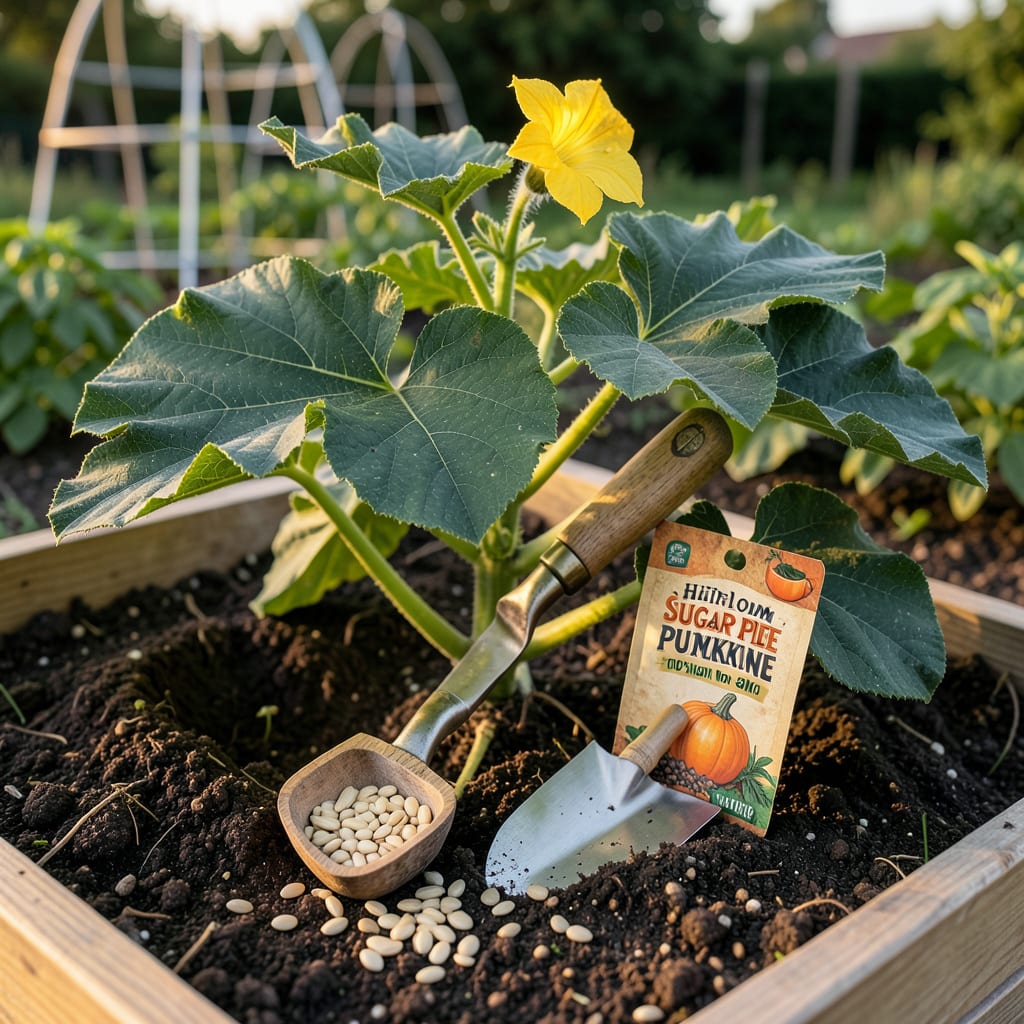
Timing your pumpkin planting in Ohio can mean the difference between a bountiful harvest and a disappointing patch. Those iconic 🎃 jack-o’-lanterns don’t just grow themselves—getting the timing right with our unpredictable spring weather is the secret.
I’ve seen too many gardeners rush to plant in April, only to lose seedlings to a late frost. But wait too long, and your pumpkins won’t mature in time. Let’s cut through the guesswork and pinpoint the perfect window for your region—so you can grow your biggest, healthiest pumpkins yet.
Ohio’s USDA Zones 5-6 create a unique challenge for pumpkin growers. The last frost dates vary dramatically—from May 15 in northern areas like Cleveland to April 25 in southern regions near Cincinnati. I always remind gardeners: soil temperature matters more than calendar dates!
Your pumpkin seeds won’t germinate until soil hits 60°F consistently. In Ohio, that typically means late May for most areas. But don’t rush it—cold soil causes seeds to rot. I’ve seen many Ohio gardeners lose seedlings to unexpected late frosts, so patience pays off here.
| Region | Last Frost Date | Planting Window | Days to Maturity |
|---|---|---|---|
| Northern Ohio (Cleveland, Toledo) |
May 10-15 | May 20 – June 5 | 90-110 days |
| Central Ohio (Columbus, Dayton) |
April 25 – May 5 | May 10 – May 25 | 85-100 days |
| Southern Ohio (Cincinnati, Athens) |
April 15-20 | April 30 – May 15 | 80-95 days |
*Adjust dates by ±7 days for microclimates (urban areas warm faster).
For giant pumpkins like ‘Dill’s Atlantic Giant’, I recommend starting seeds indoors 3 weeks before your last frost. Use peat pots to avoid transplant shock. These monsters need 120+ days, so southern Ohio growers have the advantage here.
If you’re growing carving pumpkins like ‘Howden’, direct sowing works best. Wait until soil reaches 70°F for fastest germination—usually early June in most of Ohio. I’ve found these varieties thrive with 1 inch of water weekly during early growth.
Ohio’s unpredictable springs demand flexibility. Keep row covers handy for late frosts. In 2023, many northern Ohio gardeners lost seedlings to a May 20 frost. That’s why I always suggest planting in two batches, 7-10 days apart, to hedge your bets.
For early varieties like ‘Sugar Pie’, southern Ohio gardeners can plant as early as late April if using black plastic mulch to warm soil. This trick gives you a 2-week head start on the season. Just monitor soil temps with a $10 thermometer—it’s my #1 tool!
The ideal harvest window for Ohio is late September to October 10. ‘Cinderella’s Carriage’ matures in 95 days, making it perfect for northern growers. I track my pumpkins’ progress with a gardening journal, noting vine growth weekly.
Remember: pumpkin vines spread 10-15 feet! Give each plant 50-100 sq ft of space. In small gardens, try bush varieties like ‘Jack Be Little’. These only need 4-6 sq ft and mature in 85 days—ideal for containers!
Ohio State University Extension recommends soil testing before planting. Aim for pH 6.0-6.8 and work in 2-3 inches of compost. I’ve seen yields double with this simple step. Add balanced fertilizer (10-10-10) at planting, then switch to low-nitrogen as fruits form.
Watch for squash bugs in July—they love Ohio’s humidity. I use row covers early season, then switch to neem oil sprays. For powdery mildew, ensure good airflow and water at soil level. These small steps prevent big headaches later!
Ohio’s unpredictable spring weather makes pumpkin planting tricky. I’ve seen even experienced gardeners make costly mistakes that stunt growth or ruin entire crops. The biggest error? Ignoring soil temperature—planting in cold soil leads to rot, not roots.
Another common pitfall is misjudging microclimates. Urban areas like Columbus warm faster than rural zones, while low-lying areas collect frost. I always recommend checking your specific location’s frost dates rather than relying on general Ohio guidelines.
Many Ohio gardeners also overwater seedlings, thinking more moisture helps. Actually, pumpkins need consistent but not soggy soil. I recommend 1 inch of water weekly—deep soaks encourage strong root systems.
Another mistake I see is planting all seeds at once. Ohio’s weather is too unpredictable! Instead, I plant in two batches, 7-10 days apart. This way, if one batch fails due to frost or pests, I still have a backup.
Forgetting to test soil pH is another common error. Pumpkins thrive in pH 6.0-6.8. I’ve seen gardens with poor yields because the soil was too acidic. A simple $20 test kit from your local extension office can prevent this.
Finally, many gardeners choose the wrong variety for their region. Northern Ohio’s shorter season needs faster-maturing types like ‘Sugar Pie’ (90 days), while southern Ohio can handle ‘Dill’s Atlantic Giant’ (120+ days). Always match the variety to your frost-free window!
Remember, pumpkins are heavy feeders. Skipping fertilizer or using the wrong type (too much nitrogen) leads to lush vines but few pumpkins. I use a balanced 10-10-10 at planting, then switch to low-nitrogen as fruits form.
Not all pumpkins grow at the same pace, and in Ohio’s 180-day growing season, choosing the right variety can make or break your harvest. I’ve tested dozens of types and found that matching the days-to-maturity to your region is crucial. Northern Ohio needs faster varieties, while southern areas can handle longer-season giants.
For quick harvests, ‘Sugar Pie’ (90 days) and ‘Jack Be Little’ (85 days) are my top picks. These compact varieties thrive in containers and small gardens. If you’re after carving pumpkins, ‘Howden’ (100 days) delivers classic shape and size. It’s the gold standard for Ohio’s jack-o’-lanterns.
| Variety | Days to Maturity | Best For | Ohio Region | Avg. Weight |
|---|---|---|---|---|
| Sugar Pie | 85-90 | Baking, small decor | Statewide | 4-6 lbs |
| Howden ✅ | 100 | Carving | All regions | 15-25 lbs |
| Cinderella’s Carriage | 95 | Early harvest | Northern OH | 10-15 lbs |
| Dill’s Atlantic Giant | 120-130 | Competitions | Southern OH | 100+ lbs |
| Jack Be Little | 85 | Mini decor | Statewide | 1 lb |
*✅ = Best all-around choice for Ohio gardeners
For giant pumpkins, ‘Dill’s Atlantic Giant’ (120+ days) needs Ohio’s longest season. Southern gardeners near Cincinnati can start these indoors in early April for best results. I’ve seen these monsters reach 200+ pounds with proper care and weekly feeding of high-phosphorus fertilizer.
If you want early pumpkins for September decor, ‘Cinderella’s Carriage’ (95 days) is ideal. Its flat shape and deep orange color make it perfect for fairytale displays. Northern Ohio growers should plant these by May 20 to ensure maturity before first frost.
For container gardening, ‘Jack Be Little’ (85 days) is my go-to. These mini pumpkins need just 5-gallon pots and produce dozens of fruits per plant. They’re perfect for apartments or small patios. I’ve grown them successfully on my Columbus balcony with daily watering and morning sun.
Remember, vine length varies by variety. Standard types like ‘Howden’ need 15-20 feet of space, while bush varieties stay compact. Always check the seed packet for spacing guidelines. In my garden, I use trellises for vertical growth when space is limited—just be sure to support developing fruits with pantyhose slings!
Begin indoors 3-4 weeks before your last frost date. For northern Ohio, that’s around mid-April, while southern Ohio can start in late March. Use peat pots to minimize transplant shock when moving outdoors.
Use a soil thermometer—pumpkin seeds need 60°F+ to germinate. In Ohio, this typically happens in late May. Cold soil causes rot, so wait until daytime temps stay above 70°F for a week.
Choose bush varieties like ‘Jack Be Little’ or ‘Wee-B-Little’. They need just 5-gallon pots and 6+ hours of sun. Use a trellis for vertical growth, supporting fruits with slings made from old pantyhose.
For October 31 harvests, plant by June 15 in southern Ohio or June 1 in northern regions. Fast-maturing varieties like ‘Sugar Pie’ (90 days) are your best bet. Late planting risks smaller fruits or frost damage.
Use floating row covers or cloches for overnight protection. Remove covers during the day to prevent overheating. In 2023, many Ohio gardeners lost plants to a May 20 frost—always check the 10-day forecast before planting.
