
Beautiful Plants For Your Interior
Beautiful Plants For Your Interior
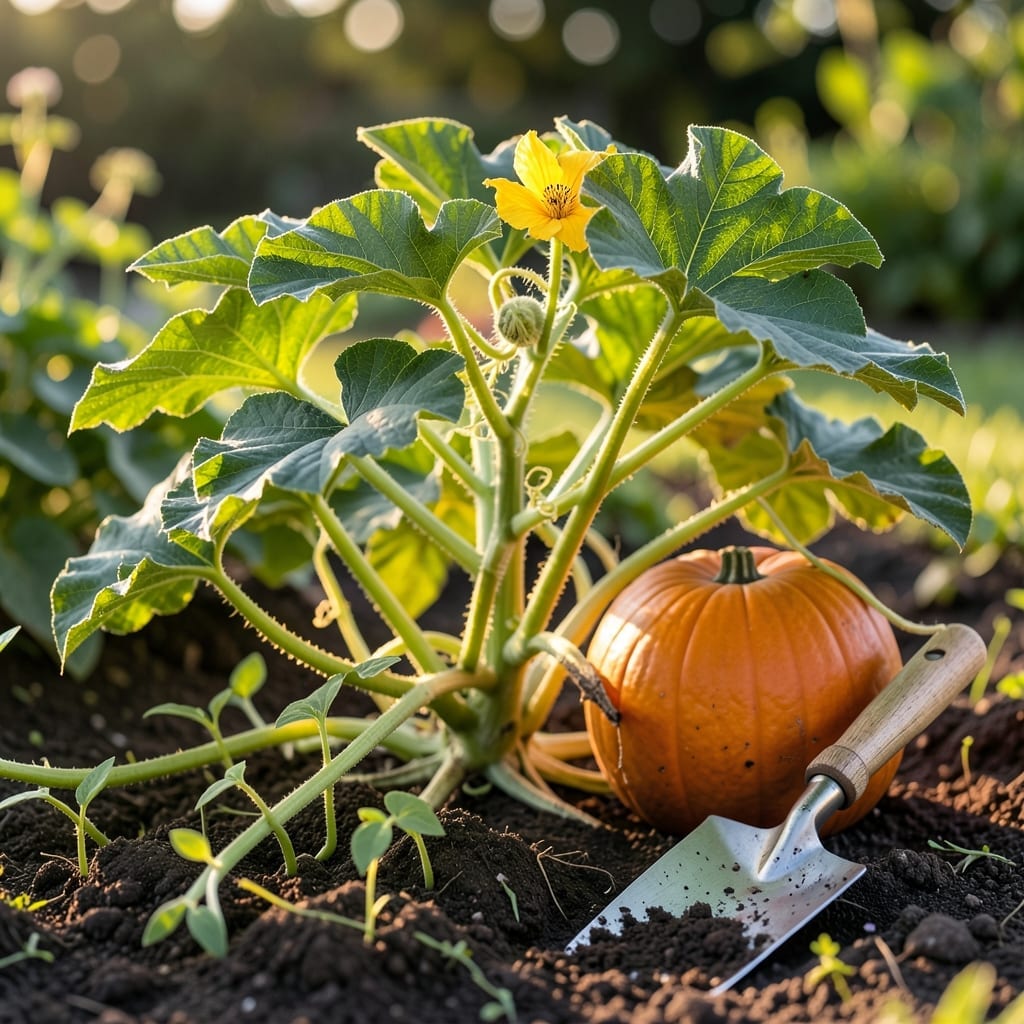
Timing is everything when it comes to planting 🎃 Pumpkin—plant too early and frost may kill your seedlings, too late and you’ll miss the fall harvest.
I’ve learned the hard way that getting this right makes all the difference. The perfect window ensures robust vines and a bumper crop just in time for autumn.
Discover when to plant for best results and how to adjust for your climate. Let’s make this your most successful Pumpkin season yet.
Getting the timing right for pumpkin planting can make or break your harvest. I always remind myself that soil temperature is the key factor—it must be at least 60°F for seeds to germinate properly.
For most gardeners, this means planting after the last frost date in spring. In warmer zones like USDA 7-10, you might start as early as March, while cooler areas like USDA 3-5 should wait until late May or early June.
| Zone | Planting Window | Notes |
|---|---|---|
| 3-4 | Late May-June | Avoid frost risk |
| 5-6 | Mid-May | Soil warms faster |
| 7-8 | April-May | Long growing season |
| 9-10 | March-April | Early harvest possible |
In my experience, short-season varieties like Small Sugar work well for northern gardeners, while southern growers can try larger types like Atlantic Giant.
The maturity time varies too—most pumpkins need 75-100 days to reach harvest. Count backward from your first fall frost to determine your latest planting date.
For example, if your first frost is October 15, you’d want seeds in the ground by mid-July at the absolute latest.
I recommend using a soil thermometer to check conditions. If the soil is still below 60°F at your target planting time, consider warming it with black plastic mulch.
Another trick I’ve found helpful is starting seeds indoors 2-3 weeks before transplanting. This gives a head start in cooler climates but requires careful hardening off.
Remember, pumpkins are warm-season crops that hate cold. Even a light frost can damage young plants, so always check your local frost dates before planting.
Finally, don’t forget that consistent moisture is crucial during germination. I water my pumpkin patch deeply once or twice a week, depending on rainfall. ☀️
Preparing the right foundation is crucial for healthy pumpkin plants. I always start by testing my soil pH, aiming for a slightly acidic range of 6.0-6.8 for best results.
Pumpkins thrive in well-draining soil rich in organic matter. I work in plenty of compost or aged manure at least 12 inches deep before planting. This improves both fertility and moisture retention.
For direct sowing, I plant seeds 1 inch deep in hills 4-6 feet apart. Each hill gets 2-3 seeds, which I thin to the strongest seedling after germination.
In cooler climates, I sometimes start seeds indoors 2-3 weeks early. Using peat pots makes transplanting easier and reduces root disturbance.
Remember that seed treatment can help. Soaking seeds in lukewarm water for 12-24 hours before planting speeds up germination. Just don’t let them dry out after soaking.
For the best start, I always wait until soil temps hit at least 60°F. Using black plastic mulch can help warm the soil faster in spring. 🌱