
Beautiful Plants For Your Interior
Beautiful Plants For Your Interior
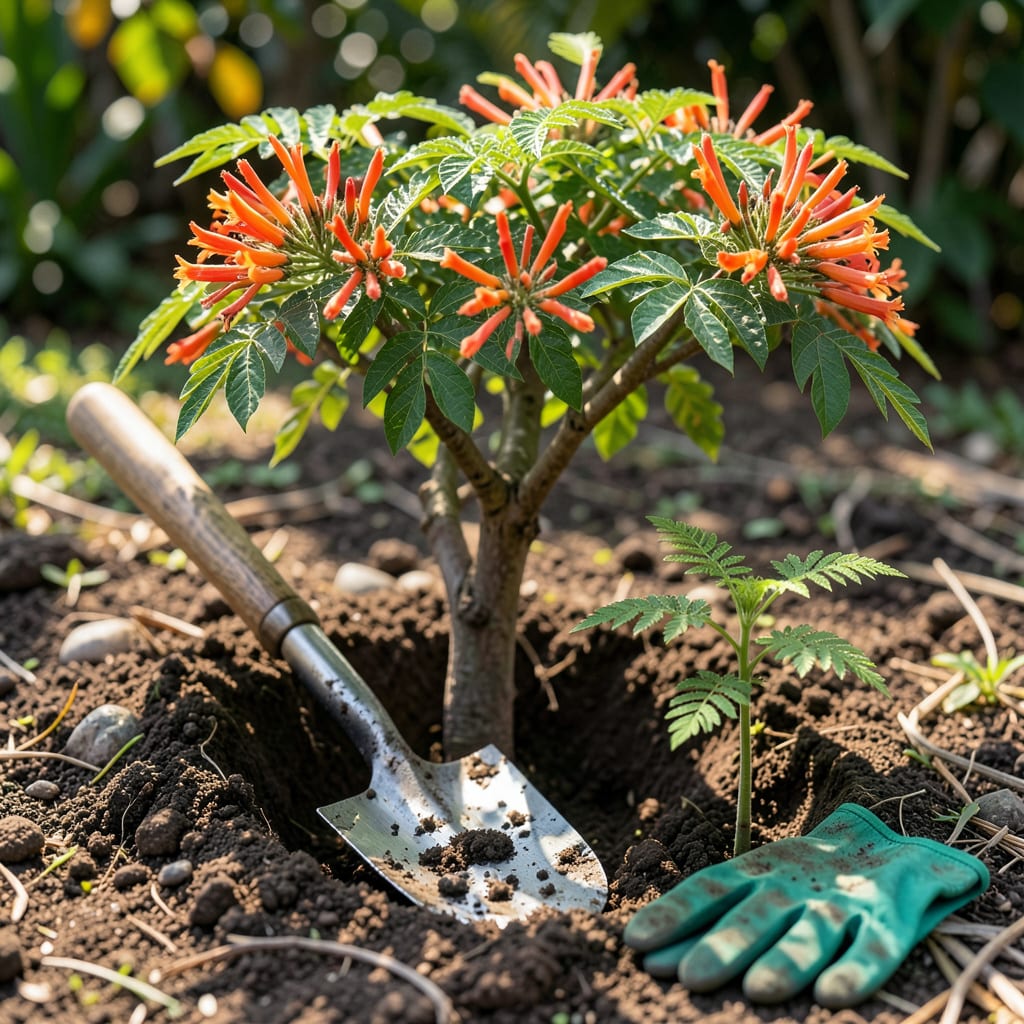
Timing can make or break your 🌺 Pride Of Barbados in Central Texas. Plant too soon, and a late frost might sabotage your efforts. Wait too long, and the scorching summer sun could stress young roots before they establish.
After years of testing what works in our USDA Zone 8a climate, I’ve nailed the perfect window. Let me show you exactly when to get those vibrant blooms started—and how to set them up for success from day one.
If you’re dreaming of those fiery orange-red blooms lighting up your Central Texas landscape, timing your Pride of Barbados planting is non-negotiable. This tropical beauty may love heat, but it’s picky about when it settles into the ground. Plant too early, and a sneaky late frost could wipe out young shoots. Wait too long, and the scorching summer sun might stress it before roots establish.
Central Texas gardeners (that’s you!) live in USDA Zones 8a-8b, where our last frost date hovers around March 15. That’s your green light—but don’t rush. Soil temps need to hit at least 60°F (15°C) for this shrub to thrive. I’ll break down the exact windows to aim for, plus why late spring beats fall planting nine times out of ten.
| Planting Window | Best Months | Soil Temp | Pros | Cons |
|---|---|---|---|---|
| Late Spring | April–May | 60–70°F | Fast establishment, summer blooms | Risk of late frost in early April |
| Early Fall | September | 70–80°F | Cooler temps, less water stress | Blooms delayed until next year |
| Avoid | June–August | 85°F+ | — | Heat stress, drought risk |
Let’s talk late spring planting first—your best bet. From mid-April to May, Central Texas soils are warm enough to coax strong root growth, but the 100°F+ summers haven’t arrived yet. This window gives your shrub 6–8 weeks to establish before the real heat hits. I’ve seen plants tucked into the ground in late April burst into blooms by July, while May plantings might wait until August.
Now, fall planting can work, but it’s a gamble. If you go this route, aim for early September. The soil’s still warm, and you’ll avoid the peak summer drought. The catch? Your Pride of Barbados will focus on roots, not flowers. Don’t expect those iconic blooms until the following summer. It’s a trade-off: less watering stress now, but delayed payoff.
Here’s a pro tip: Check the 10-day forecast before planting. If nighttime temps dip below 50°F (10°C), hold off. This shrub hates cold feet! I use a soil thermometer (yes, they’re cheap and worth it) to confirm temps at 4-inch depth. If it reads 60°F+, you’re golden. Below that? Wait a week and recheck.
Central Texas’ clay-heavy, alkaline soil can be a nightmare for new plants, but Pride of Barbados is tougher than it looks. Before planting, I amend the hole with compost and a handful of expanded shale to improve drainage. Dig the hole twice as wide as the root ball but no deeper—this prevents sinking. Water deeply after planting, then mulch with 2–3 inches of shredded bark to lock in moisture.
If you’re tempted to plant in summer (June–August), resist! The combination of triple-digit temps and drought conditions is a death sentence for young shrubs. Even with daily watering, the stress often stunts growth or kills the plant. I’ve lost two Pride of Barbados to June plantings—lesson learned. Stick to spring or early fall, and your patience will pay off with vibrant blooms for years.
One last thing: Microclimates matter. If your yard has a south-facing slope or urban heat island (hello, Austin concrete jungles!), you might plant 1–2 weeks earlier than rural areas. Conversely, low-lying spots that stay damp could benefit from raised beds to prevent root rot. When in doubt, observe your space—where do other heat-lovers like lantana or yucca thrive? That’s your sweet spot.
Ready to dig in? Grab your shovel, pick a late April morning (before the heat peaks!), and give your Pride of Barbados the head start it deserves. With the right timing, you’ll be rewarded with months of hummingbird-magnet blooms from summer to fall. And trust me, nothing beats that first burst of color against Texas’ blue skies.☀️
Central Texas gardeners know our Pride of Barbados thrives in heat—but even this tough shrub can falter if we ignore key planting pitfalls. I’ve seen too many new plants struggle because of avoidable mistakes during those critical first weeks. Let’s tackle the top five errors that could derail your blooms before they even begin.
The biggest offender? Planting in peak summer. June through August might seem ideal for a heat-lover, but the combo of 100°F+ temps and bone-dry clay soil spells disaster for young roots. Even with daily watering, the stress often stunts growth permanently. Stick to spring or early fall—your plant will thank you with vibrant blooms instead of crisis mode.
Here’s a mistake I made my first year: ignoring soil prep. Central Texas’ alkaline clay is notorious for suffocating roots. Before planting, I now dig holes twice as wide as the root ball and mix in compost + expanded shale. This combo breaks up compaction and improves drainage—critical when our “soil” turns to brick in drought. Skip this step, and you’ll be watering a stunted, yellowing shrub all season.
Another silent killer? Overwatering in clay. Yes, Pride of Barbados is drought-tolerant, but soggy roots in our dense soil invite rot. After planting, water deeply once weekly—then let the top 2 inches dry between waterings. Use the finger test: if soil sticks to your knuckle, wait. I killed my first plant with kindness (and a hose). Learn from me!
Don’t overlook microclimate quirks either. A west-facing wall can add 10°F+ to afternoon temps, while low spots collect cold air. I lost a Pride of Barbados to a late April frost in a dip near my fence—despite our “frost-free” reputation. Always check your specific site with a soil thermometer and observe where lantana or yucca thrive—those spots are your safest bets.
Finally, skipping mulch is like leaving your plant naked in the Texas sun. A 3-inch layer of shredded bark keeps roots cool, retains moisture, and blocks weeds. Without it, you’ll battle daily wilting and soil cracks that sever tiny roots. I use native Texas mulch (cedar or oak) for extra durability. It’s a $10 fix that saves hours of watering and years of regret.
Ready to plant with confidence? Grab that shovel in late April or early September, amend like your plant’s life depends on it (because it does!), and mulch like you’re tucking it in for a Texas summer. Avoid these mistakes, and you’ll be rewarded with a thriving, bloom-packed shrub that laughs at droughts. Your future self—and the hummingbirds—will high-five you!🌺
When planning your Central Texas landscape, Pride of Barbados stands out for its tropical flair—but how does its planting timeline compare to other heat-loving shrubs? Understanding these differences ensures you don’t accidentally plant your Caesalpinia pulcherrima too early or late compared to Texas natives.
Unlike Texas Sage or Lantana, which laugh at our USDA Zone 8a winters, Pride of Barbados hails from the tropics. That means it hates cold soil and demands warmer planting conditions. While you can tuck Yucca into the ground in early March, your Pride of Barbados needs to wait until soil temps hit 60°F—usually mid-April.
| Shrub | Ideal Planting Months | Soil Temp Minimum | First Blooms | Cold Hardiness |
|---|---|---|---|---|
| Pride of Barbados | April–May | 60°F+ | Summer (Year 1) | 20°F (Zone 8b) |
| Texas Sage | March–April | 50°F+ | Spring (Year 2) | 10°F (Zone 7) |
| Lantana | March–May | 55°F+ | Late Spring (Year 1) | 15°F (Zone 8a) |
| Yucca | February–April | 45°F+ | Summer (Year 2) | 0°F (Zone 6) |
Notice how Yucca and Texas Sage tolerate colder soil and earlier planting? That’s because they’re native or adapted to our winters. Pride of Barbados, however, originates in the Caribbean, so it needs that extra warmth to avoid transplant shock. I’ve seen gardeners plant it alongside Lantana in March—only to lose it to a late frost.
Here’s the kicker: While Texas Sage and Yucca establish slowly, Pride of Barbados grows fast once the soil warms. Plant it in late April, and you could see 3–4 feet of growth by fall. Compare that to Yucca, which might add just 6 inches in the same time. That rapid growth is why timing matters—plant too late, and it won’t have time to harden off before winter.
If you’re designing a drought-tolerant garden, pair Pride of Barbados with Lantana (similar water needs) or Salvia greggii (complementary bloom times). But remember: While Lantana can handle a March planting, your Pride of Barbados will sulk in cold soil. Stick to the April–May window, and you’ll get a tropical showstopper that outshines the natives by midsummer.🌺
Pro tip: Use Pride of Barbados as a focal point in your landscape, surrounded by earlier-planted shrubs like Texas Sage. This staggers your planting workload and ensures continuous color from spring to fall. Just keep that soil thermometer handy—your tropical beauty won’t forgive a chilly start!☀️
Even during warm spells, early March is risky. Central Texas can still see late frosts until mid-March. Wait until soil temps hit 60°F—usually mid-April—to avoid shocking tender roots. Patience now means vibrant blooms later!
Containers let you control soil quality and move plants to avoid frost. Use a 15+ gallon pot with drainage holes and cactus mix. Water every 3–5 days in summer—potted plants dry out faster than in-ground ones.
Yellow leaves often signal overwatering in our clay soil or transplant shock. Let the top 2 inches of soil dry between waterings. If yellowing persists, check for poor drainage—amend with expanded shale to help roots breathe.
Spring-planted shrubs typically bloom by July–August of their first year. Fall-planted ones may wait until the next summer. Speed up flowering with phosphorus-rich fertilizer (10-20-10) applied in early May. Hummingbirds will thank you!
In Zone 8a, mature plants handle brief dips to 20°F. Young plants (under 2 years) benefit from 3–4 inches of mulch around the base. Avoid pruning until late February to prevent cold damage to new growth.
