
Beautiful Plants For Your Interior
Beautiful Plants For Your Interior
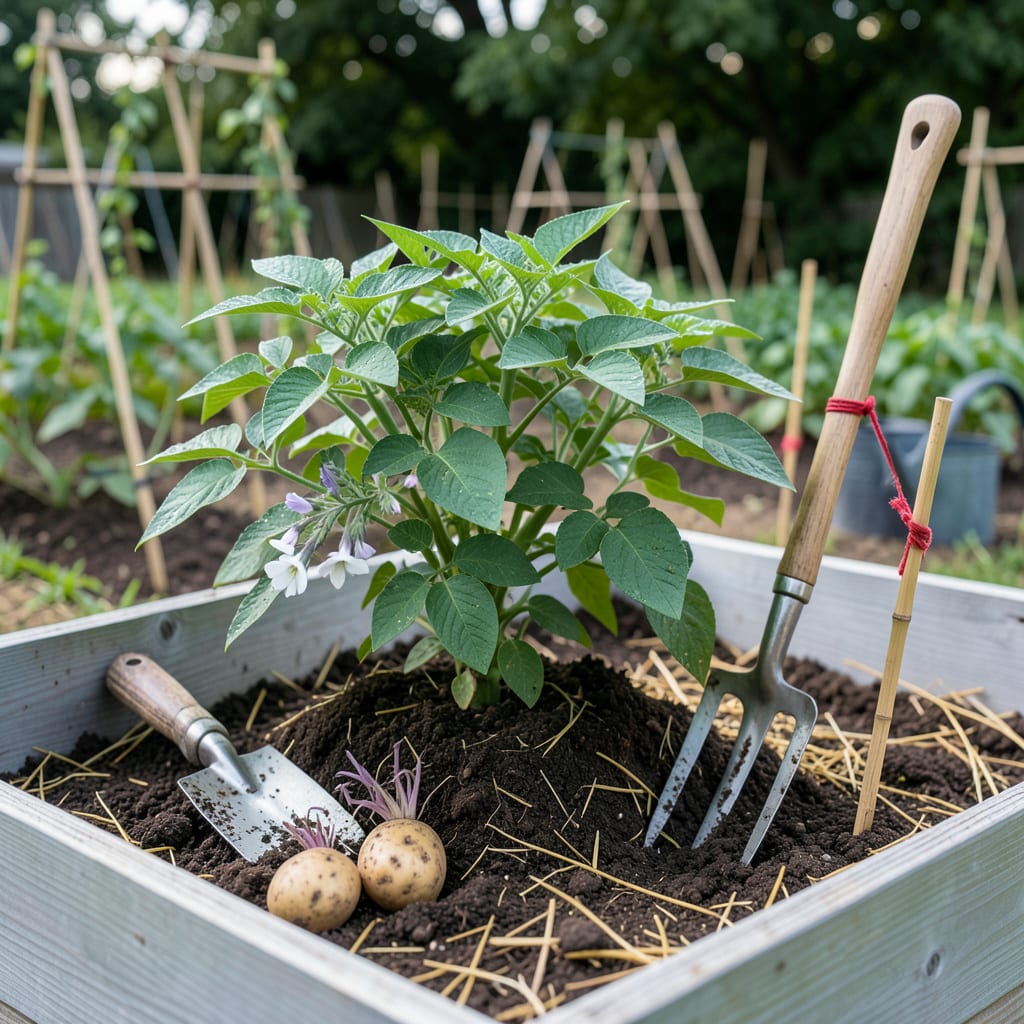
If you’ve ever pulled up tiny, underwhelming potatoes instead of the plump, hearty harvest you dreamed of, timing might be your silent saboteur. In Zone 9B, where winters are mild and summers scorching, nailing the planting window is the difference between a bumper crop and a disappointing dig.
I’ve tested the limits of Phoenix’s growing seasons—plant too early, and unexpected frost nips your sprouts; wait too long, and the spring heat stunts tuber growth. Let’s cut through the guesswork so you can plant with confidence and pull up perfect potatoes every time.
Zone 9B’s mild winters and long growing season give us a unique advantage—we can plant potatoes in fall, winter, or early spring. But timing isn’t just about avoiding frost; it’s about dodging the scorching summer heat that stunts tuber development.
After years of testing, I’ve found the sweet spot is when soil temps hit 50°F or higher. In Phoenix, that’s typically November through January, with adjustments for coastal vs. inland microclimates. Let’s break it down by season.
| Season | Planting Window | Harvest Time | Best For |
|---|---|---|---|
| Fall | October – November | January – February | Early varieties (60-80 days) |
| Winter | December – January | March – April | Mid-season (80-100 days) |
| Spring | February (coastal only) | May – June | Heat-tolerant varieties |
Note: Inland areas should avoid February planting—soil temps exceed 80°F by April, halting tuber formation.
For fall planting, aim for late October to early November. This gives tubers time to size up before winter slows growth. I’ve had great success with ‘Yukon Gold’ in this window—it handles cool nights better than most.
Winter planting (December-January) is my top recommendation. The stable temps and moist soil create ideal conditions. Just watch for unexpected cold snaps—cover sprouts with frost cloth if temps dip below 32°F.
Spring planting is risky in Zone 9B. Only coastal gardeners should attempt it in February, using fast-maturing varieties like ‘Red LaSoda’. Inland areas heat up too quickly, leading to small, misshapen tubers.
Pro tip: Use a soil thermometer to confirm temps. If your soil is below 45°F, potatoes won’t sprout. If it’s above 80°F, they’ll stop growing. I check mine at 8 AM for the most accurate reading.
Don’t forget pre-sprouting (chitting) your seed potatoes! Place them in a bright, cool spot (60-65°F) for 2-3 weeks before planting. This gives you a 2-week head start on growth, crucial for beating the heat.
Zone 9B’s sandy soil drains fast, so amend with compost before planting. I mix in a 2-inch layer of well-rotted manure to boost moisture retention. Mulch heavily with straw to keep soil temps stable.
Remember, potatoes need full sun (6+ hours daily) but struggle in intense afternoon heat. If planting in spring, use shade cloth to protect foliage during peak sun. This simple step can double your yield in hotter months. 🌱
Even with perfect timing, small mistakes can derail your potato harvest in Zone 9B. I’ve learned the hard way that our unique climate demands extra attention to soil prep, watering, and variety selection. Avoid these pitfalls for healthier plants and bigger yields.
First, never ignore soil temperature. Planting when soil is too hot or cold leads to poor germination. In Zone 9B, 50-70°F is ideal—outside this range, tubers either rot or fail to form. I use a soil thermometer to double-check before planting.
Pro Tip: Use ‘Red LaSoda’ for heat tolerance and ‘Yukon Gold’ for cooler months.
Another common error is poor variety selection. Not all potatoes thrive in Zone 9B’s heat. I’ve had best results with ‘Red LaSoda’ (heat-tolerant) and ‘Kennebec’ (disease-resistant). Avoid late-maturing varieties—they’ll struggle with our early summer heatwaves.
Watering mistakes rank high on the failure list. Potatoes need consistent moisture but hate wet feet. In our fast-draining soil, I water every 3-4 days (deep soaks only) and mulch with 4 inches of straw to retain moisture. Drip lines prevent foliage diseases common in humid periods.
Don’t overlook pest prevention. Zone 9B’s warm winters mean wireworms and aphids stay active year-round. I rotate planting beds annually and apply neem oil every 2 weeks during growth. Floating row covers work well for organic gardeners.
Finally, harvest timing matters as much as planting. Dig too early, and skins tear; wait too long, and tubers rot in warm soil. I harvest when foliage yellows and 70% has died back. Use a fork to gently lift tubers, avoiding bruises that shorten storage life. 🌱
Planning your potato crop in Zone 9B means working with our long growing season while outsmarting the intense summer heat. I’ve refined this calendar over years of trial and error—it’s your roadmap from seed selection to harvest day, tailored for our unique climate.
Remember, Zone 9B’s mild winters let us plant when northern gardeners can’t, but we must finish before soil temps hit 80°F. Let’s walk through each month’s critical tasks, from pre-sprouting to pest control, so you never miss a step.
🌱 October: Pre-sprout seed potatoes (chitting) in a cool, bright spot. Test soil pH (aim for 5.0-6.5).
🌿 November: Plant early varieties (‘Yukon Gold’, ‘Red Norland’). Mulch with 4″ straw to insulate.
❄️ December-January: Ideal planting window for mid-season varieties. Monitor for aphids; apply neem oil if needed.
🌷 February (coastal only): Last chance for spring planting. Use shade cloth to protect foliage from afternoon sun.
🌞 March-April: Hill soil around stems every 2 weeks. Reduce water as foliage yellows (harvest signal!).
✂️ May-June: Harvest when 70% of foliage dies back. Cure tubers in a dark, humid spot for 10 days.
Critical Note: Inland gardeners—skip February planting. Soil temps rise too fast, risking small, cracked tubers.
Start with seed selection in September. I order certified disease-free potatoes from reputable suppliers by early October. Look for heat-tolerant varieties like ‘Red LaSoda’ or ‘LaRatte’—they handle Zone 9B’s temperature swings better than most.
Chitting (pre-sprouting) is non-negotiable here. Place seed potatoes in an egg carton with the eye-side up in a 60-65°F spot with indirect light. After 2-3 weeks, you’ll see sturdy ½-inch sprouts—now they’re ready to plant.
Once planted, fertilize lightly at emergence (I use 5-10-10 NPK at 1 cup per 10 sq ft). Switch to high-potassium feed when plants flower to boost tuber size. Stop fertilizing when foliage starts yellowing—this signals the harvest window is near.
Pest vigilance saves crops. Zone 9B’s warm winters mean wireworms and colorado potato beetles stay active. I rotate beds yearly and handpick beetles daily. For wireworms, beneficial nematodes applied at planting work wonders—just water them into the soil.
Harvest when foliage is 70% dead and skins resist scraping. Use a garden fork to gently lift tubers, starting 1 foot from the plant to avoid spearing. Cure in a dark, 50-60°F space with 80% humidity for 10 days before storing. Proper curing extends shelf life by 3-4 months. 🌱
No, summer planting is risky in Zone 9B. Soil temperatures above 80°F halt tuber formation. Stick to fall, winter, or early spring plantings when soil stays between 50-70°F for best results.
Harvest when 70% of foliage yellows and dies back. Skins should be firm and resist scraping. For new potatoes, gently dig when plants flower—these won’t store long but taste amazing fresh.
Cover plants with frost cloth or thick mulch when temps drop below 32°F. In Zone 9B, this rarely happens, but coastal areas may see occasional chilly nights in December-January. Straw works well for insulation.
Opt for heat-tolerant varieties like ‘Red LaSoda’ or ‘LaRatte’. These handle temperature swings better than others. Avoid late-maturing types—they’ll struggle with our early summer heatwaves.
Water every 3-4 days with deep soaks, especially during tuber formation. Our fast-draining soil needs consistent moisture. Mulch with 4 inches of straw to retain water and keep soil temps stable.
