
Beautiful Plants For Your Interior
Beautiful Plants For Your Interior
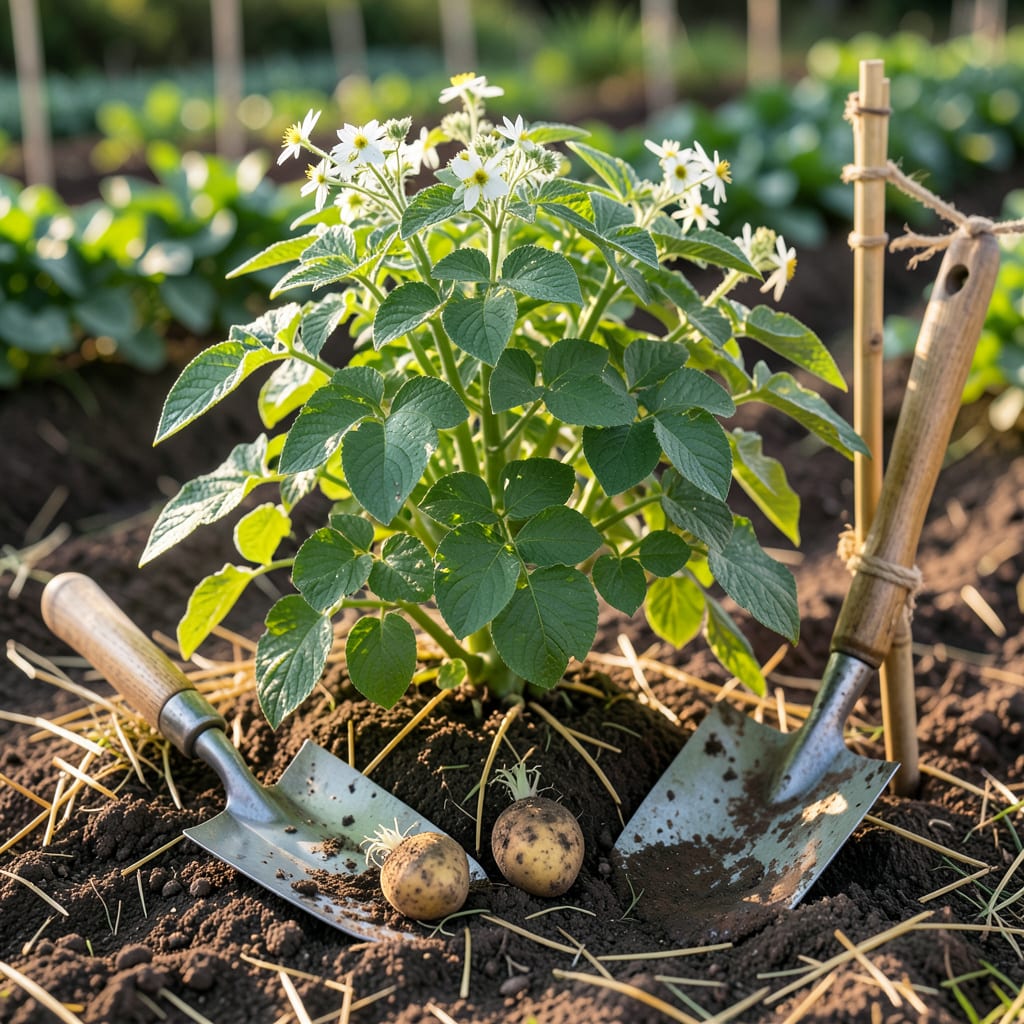
Ever dug up tiny, underdeveloped potatoes after months of waiting? In Zone 9b, timing isn’t just important—it’s the difference between a bumper crop and a disappointing harvest. The 🥔 Potato thrives when you work with our mild winters, not against them.
I’ll cut through the guesswork and show you exactly when to get those seed potatoes in the ground for plump, flavorful spuds. From soil temps to variety picks, you’ll learn the perfect window to plant—and why those extra weeks in fall or winter make all the difference.
Zone 9’s warm climate might seem forgiving, but even experienced gardeners can sabotage their potato harvest with a few common missteps. I’ve seen perfectly good seed potatoes fail because of timing errors or poor soil prep. Let’s tackle the biggest mistakes so you don’t repeat them.
The first blunder? Planting when the soil is too warm. Potatoes thrive in cool soil (45–55°F), and Zone 9’s early springs can heat up fast. If you wait until March, you risk stunted tubers or heat-stressed plants. Trust me, your spuds will thank you for an earlier start.
Another mistake is neglecting soil moisture balance. Zone 9’s sandy soils drain fast, but potatoes need consistent moisture—especially during tuber formation. I use a drip irrigation system on a timer to keep the soil evenly damp without waterlogging. A simple mulch layer helps too.
Finally, don’t overlook pest pressure in warm climates. Wireworms and flea beetles love Zone 9 as much as we do. I rotate crops annually and plant marigolds nearby to deter pests naturally. A little prevention saves a lot of heartache later.
One more pro tip: Avoid using fresh manure as fertilizer. It can introduce diseases and burn tender potato roots. Stick to well-aged compost or a balanced 10-10-10 fertilizer instead. Your plants will grow stronger and healthier.
By sidestepping these mistakes, you’ll set your potatoes up for success. Remember, in Zone 9, it’s all about working with the climate—not against it. Now grab those seed potatoes and get planting! 🌱
Not all potatoes thrive in Zone 9’s warm climate, where mild winters and early heatwaves can stress traditional varieties. After years of testing, I’ve found that heat-tolerant types like ‘Yukon Gold’ and ‘Red LaSoda’ consistently outperform others. These varieties handle higher soil temps without sacrificing flavor or yield.
For early harvests, try ‘Norland’ or ‘Irish Cobbler’—both mature in just 70–80 days and resist bolting in heat. If you prefer baking potatoes, ‘Kennebec’ is a Zone 9 superstar, producing large, uniform tubers even in sandy soils. Always choose certified seed potatoes to avoid diseases.
For a successive harvest, pair early varieties with mid-season picks like ‘Pontiac Red’ (110 days). This extends your harvest window from March through May. I plant my first batch in November and a second in January for continuous spuds. Just watch soil temps—above 60°F signals it’s too late.
Drought-prone areas? Opt for ‘La Ratte’ or ‘German Butterball’, which tolerate dry spells better than most. Remember, mulching heavily (3–4 inches of straw) helps retain moisture and keeps soil cooler. This simple step can boost yields by 20–30% in my experience.
Lastly, consider your culinary goals. Want creamy mashed potatoes? ‘Yukon Gold’ is unbeatable. Prefer crispy roasters? ‘Kennebec’ holds its shape perfectly. Matching varieties to your garden conditions and kitchen needs ensures you’ll never waste a harvest. Now, which spuds will you try first? 🌱
Potatoes thrive when soil reaches 45–55°F. Use a soil thermometer to check at 4-inch depth in the morning. Planting in cooler soil prevents rot and encourages strong root development.
Summer planting in Zone 9 is risky—soil temps above 60°F halt tuber formation. Stick to fall/winter planting (November–January) for best results. If you must try, choose heat-tolerant varieties like ‘Red LaSoda’.
Cover young plants with frost cloth or straw when temps dip below 32°F. Remove coverings by mid-morning to prevent overheating. Zone 9’s mild winters rarely kill potatoes, but frost can damage foliage.
For quick harvests, try ‘Norland’ (70 days) or ‘Irish Cobbler’ (80 days). Both resist bolting in heat and produce well in sandy soils. Plant in November for March harvests.
