
Beautiful Plants For Your Interior
Beautiful Plants For Your Interior
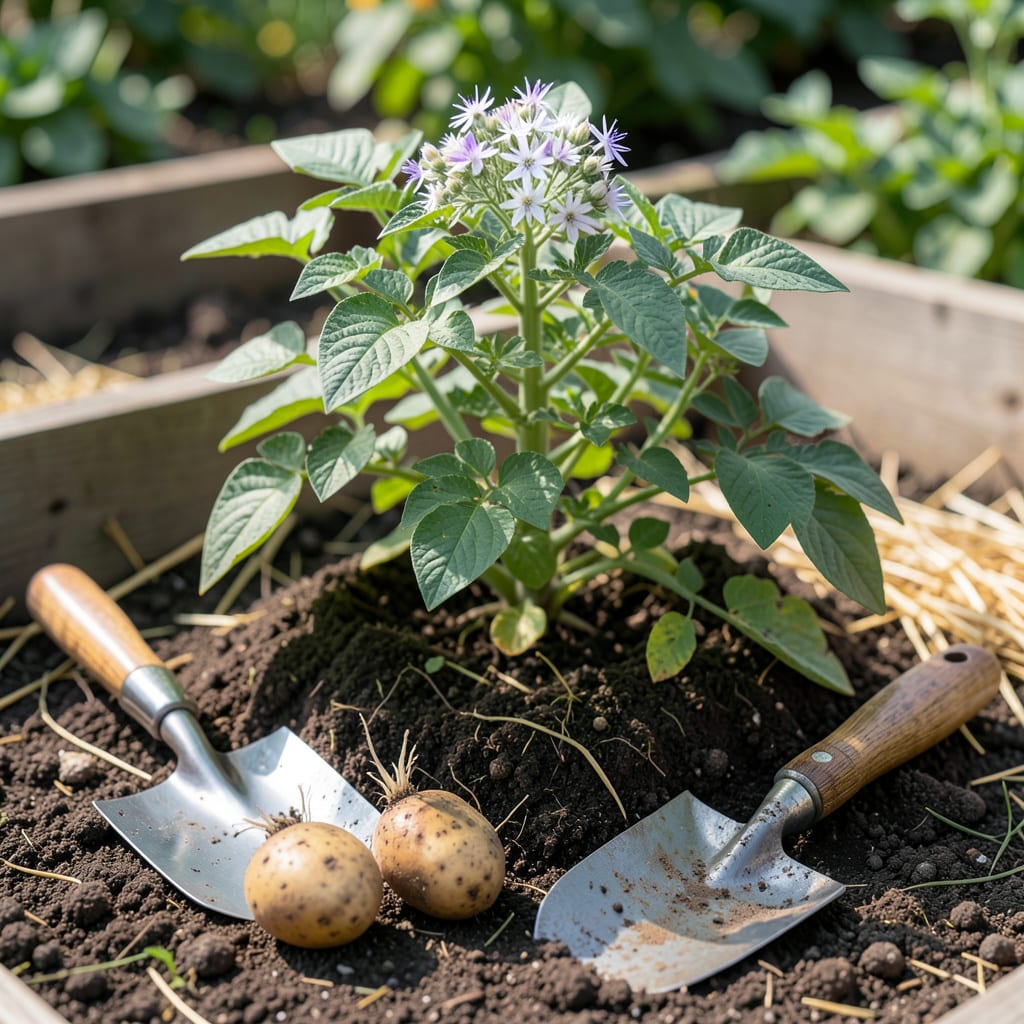
Timing can make or break your 🥔 potato harvest in Zone 8B—plant too soon, and a late frost could wipe out your crop. Wait too long, and you’ll miss the window for those perfect, buttery spuds we all love.
I’ve tested the ideal planting windows here, and the difference is stunning. Whether you’re aiming for a spring bounty or a fall harvest, I’ll show you exactly when to get those seed potatoes in the ground—plus the soil temps and prep tricks that guarantee success. Let’s dig in.
In Zone 8B, our long growing season gives us two prime windows for planting potatoes: early spring and late summer for a fall harvest. The key is soil temperature—potatoes thrive when soil hits 45–55°F, which typically happens in late February here.
I’ve found that planting 2–4 weeks before our last frost (around March 15) works best for spring crops. For fall potatoes, aim for late August to early September so tubers mature before the first frost in mid-November. Let’s break it down by season.
| Season | Planting Window | Soil Temp | Harvest Time | Best Varieties |
|---|---|---|---|---|
| Spring | Late February–March | 45–55°F | May–June | Yukon Gold, Red Norland |
| Fall | Late August–September | 50–60°F | November–December | Kennebec, Sweet Potatoes |
For spring planting, I start prepping beds in late January by adding compost and testing soil pH (aim for 5.0–6.5). Potatoes hate soggy soil, so I plant in raised beds or mounded rows to improve drainage. Coastal gardeners can plant a week earlier than inland folks—our microclimates matter!
Fall potatoes need extra attention. Plant them 10–12 weeks before your first frost to ensure maturity. I use straw mulch to protect young plants from unexpected heatwaves. Varieties like ‘Kennebec’ handle our warm falls better than early types.
Here’s my pro tip: Use a soil thermometer to check temps at 4-inch depth. If it’s below 45°F, hold off—cold soil causes seed potatoes to rot. For faster warming, lay black plastic mulch over beds 2 weeks before planting.
Don’t forget about succession planting! I stagger plantings every 2 weeks through March for continuous harvests. Early varieties like ‘Yukon Gold’ (70 days) let me pull new potatoes while later ones like ‘Russet’ (120 days) size up for storage.
Watch for foliage emergence about 2–3 weeks after planting. If a late frost threatens, cover plants with frost cloth—but remove it during the day so they don’t overheat. Our Zone 8B springs can be unpredictable!
For fall crops, I stop watering 2 weeks before harvest to toughen skins for storage. Dig carefully with a garden fork to avoid piercing tubers. Store cured potatoes in a cool, dark place (50–60°F) to prevent sprouting.
Remember: Potatoes grow fastest when daytime temps stay below 85°F. In our hot summers, fall planting often yields better than spring. I’ve had my best harvests from September-planted spuds that mature in our mild winters.
Ready to get started? Grab some certified seed potatoes (never grocery store spuds—they’re treated to prevent sprouting) and pick your window. With these timing tricks, you’ll be pulling up buckets of perfect potatoes in no time! 🪴
Even with perfect timing, small errors can sabotage your potato harvest in Zone 8B. I’ve seen gardeners lose entire crops to preventable mistakes—like planting in soggy soil or ignoring soil pH. Let’s fix these before they wreck your spuds.
The biggest culprit? Waterlogged soil. Potatoes rot faster than they grow in damp conditions. I always plant in raised beds or mounds to ensure drainage. If your soil stays wet 24 hours after rain, mix in compost or sand before planting.
Another silent yield-killer: wrong soil pH. Potatoes thrive in slightly acidic soil (5.0–6.5). I test my soil every spring and amend with sulfur to lower pH or lime to raise it. Yellow leaves often signal pH problems—don’t ignore them!
Timing missteps hurt too. Planting after soil warms above 60°F stresses potatoes, while planting before soil hits 45°F risks rot. I use a soil thermometer to check at 4-inch depth—it’s my secret weapon for perfect timing.
Here’s a mistake I made early on: crowding plants. Potatoes need 12–15 inches between plants and 2–3 feet between rows. Overcrowding leads to small tubers and disease. I now plant in grid patterns for better airflow and bigger spuds.
Finally, don’t forget crop rotation. Planting potatoes in the same spot yearly invites pests and depletes soil. I rotate with beans or corn to replenish nitrogen. If space is tight, try container growing—just ensure pots are at least 15 gallons with drainage holes.
Remember: Certified seed potatoes are non-negotiable. Grocery store spuds often carry diseases and won’t sprout reliably. I order from reputable suppliers like Burpee or Johnny’s Selected Seeds for disease-free starts. Your future harvest depends on this small but critical choice! 🌱
Choosing the right potato variety can make or break your harvest in Zone 8B. Our long growing season lets us experiment with early, mid, and late-season types—but not all thrive equally here. I’ve tested dozens and found the best performers for our climate.
Early varieties like ‘Yukon Gold’ (70 days) are perfect for quick spring harvests, while ‘Kennebec’ (110 days) excels in fall plantings. The secret? Matching days to maturity with our frost-free window (about 190 days). Let’s compare the top choices.
| Variety | Days to Maturity | Best Season | Flavor/Texture | Storage Potential |
|---|---|---|---|---|
| Yukon Gold | 70–90 | Spring | Buttery, creamy | Moderate (2–3 months) |
| Red Norland | 80–90 | Spring/Fall | Sweet, waxy | Good (3–4 months) |
| Kennebec | 100–110 | Fall | Earthy, firm | Excellent (4–6 months) |
| Sweet Potato (Beauregard) | 90–100 | Summer | Sweet, moist | Very Good (5–6 months) |
For spring planting, I always include ‘Yukon Gold’—it’s fast, reliable, and perfect for our mild springs. Pair it with ‘Red Norland’ for a color mix. Both handle our February–March planting window beautifully when soil hits 50°F.
Fall crops demand heat-tolerant varieties. ‘Kennebec’ is my go-to—it sizes up well in our warm autumns and stores like a champ. For something different, try sweet potatoes (technically not true potatoes but worth mentioning). They love our long, hot summers and thrive when planted in June.
Here’s my succession trick: Plant early varieties in late February, then add mid-season types (like ‘Russet’) in early March. This staggers harvests from May through July. For fall, I plant ‘Kennebec’ in late August for December digging—just before frost.
Remember: Variety matters more than you think. Fast growers like ‘Yukon Gold’ avoid our summer heat, while slow types like ‘Kennebec’ capitalize on fall’s cooling temps. Always buy certified seed potatoes—they’re disease-free and ready to grow. Happy planting! 🌱
Summer planting isn’t ideal for traditional potatoes in Zone 8B. Soil temperatures above 85°F stress plants and inhibit tuber formation. For summer crops, try sweet potatoes instead—they thrive in heat and our long growing season.
Watch for these signs: foliage turns yellow and dies back, tubers feel firm when gently pressed, and stems snap easily. For “new potatoes,” you can harvest when plants flower (about 60-70 days after planting). Use a garden fork to dig carefully.
Keep them in a cool (40-50°F), dark place like a basement or refrigerator crisper. Avoid plastic bags—use paper or mesh bags for airflow. About 2-3 weeks before planting, move to 60-70°F to encourage sprouting (chitting).
This usually happens when soil is too warm (above 80°F) or plants are stressed. Other causes include over-fertilizing (especially nitrogen) or inconsistent watering. Try planting earlier next season and maintain even moisture. Varieties like ‘Yukon Gold’ handle heat better than others.
Use containers at least 15 gallons with drainage holes. Fill with well-draining potting mix and plant 4-6 inches deep. Containers dry out faster, so water every 2-3 days in summer. Great for patios or small spaces!
