
Beautiful Plants For Your Interior
Beautiful Plants For Your Interior
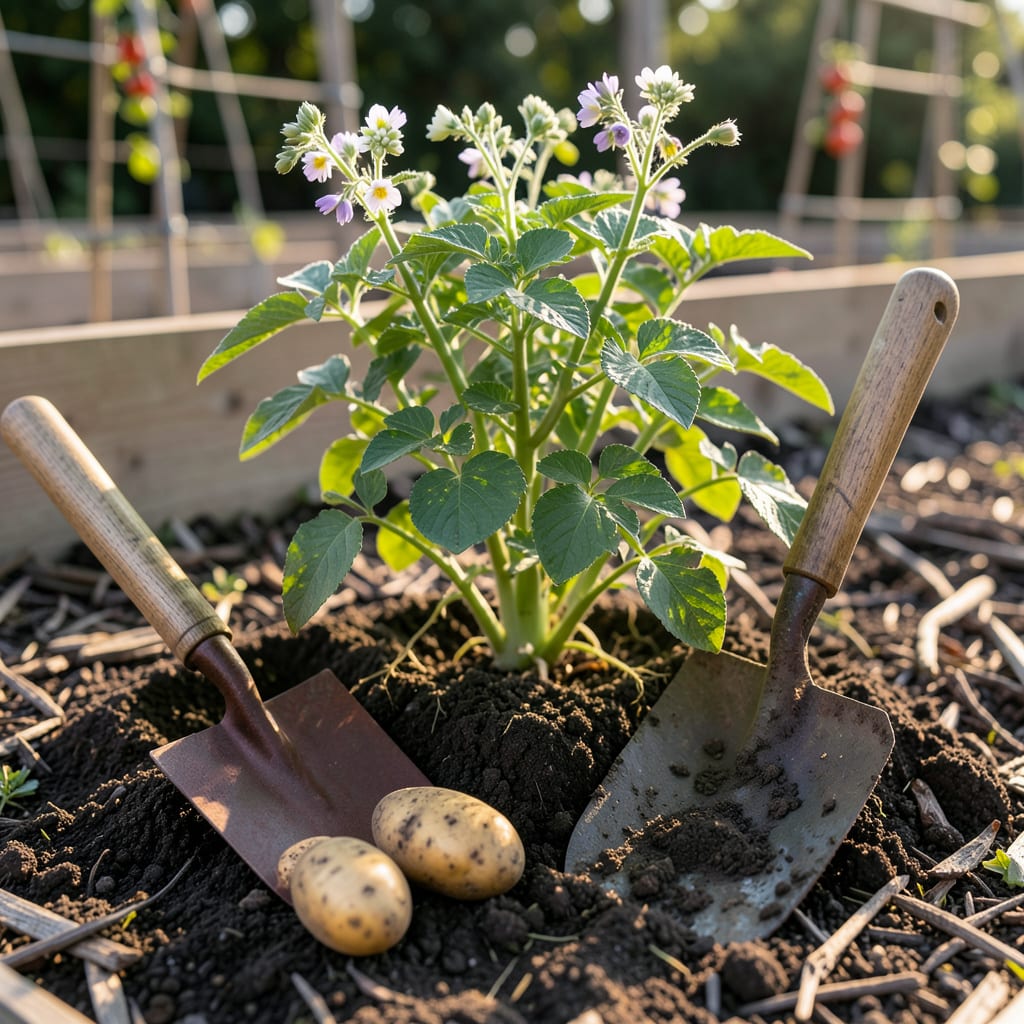
Timing your potato planting in Zone 8 can mean the difference between a bountiful harvest and a disappointing yield. The 🥔 is a finicky crop—plant too early, and frost might wreck your efforts; wait too long, and the summer heat stunts growth.
After testing different schedules in my own garden, I’ve nailed down the perfect window for Zone 8. Whether you’re growing early varieties for quick harvests or late-season spuds for storage, I’ll show you exactly when to get those tubers in the ground for the best results.
In Zone 8, the secret to a stellar potato harvest starts with matching your planting dates to the variety. I’ve found that early varieties like ‘Yukon Gold’ thrive when planted in late February, while mid-season types need a slightly later start.
Soil temperature is your best guide—aim for 45°F or warmer. In Zone 8, that typically means planting 4–6 weeks before your last frost (around March 15 for most areas). Coastal gardens may push planting earlier, while inland spots should wait until early March.
🌱 Note: Adjust dates by 1–2 weeks for coastal (earlier) vs. inland (later) Zone 8 microclimates.
For early varieties, I recommend planting as soon as soil is workable—even late January works in mild winters. These spuds mature fast, dodging summer heat that can halt tuber formation. Mid-season types need warmer soil, so wait until March for best results.
Late-season potatoes are riskier in Zone 8 due to heat stress. If you’re growing these, plant by March 15 and mulch heavily to keep soil cool. I’ve had success with ‘Russet Burbank’ by using shade cloth during peak summer.
Pro tip: Use a soil thermometer to check temps at 4-inch depth. If it reads 50°F+, you’re golden. Below 40°F, seeds may rot. In my garden, I plant seed pieces (cut 2 days prior) with eyes facing up, spaced 12 inches apart.
Companion planting boosts yields too! Pair potatoes with beans (fixes nitrogen) or marigolds (deters pests). Avoid planting near tomatoes or peppers—they share diseases like blight. I interplant with basil for natural pest control.
If you miss the ideal window, don’t panic. April plantings can still work for early varieties, but expect smaller yields. For fall crops, plant late August—just ensure tubers mature before first frost (Nov 15). Use row covers to extend the season if needed.
Remember, hilling is critical in Zone 8’s warm climate. I mound soil every 2–3 weeks to prevent greening and encourage more tubers. Stop hilling when plants flower—this signals tuber formation is underway. Water deeply but infrequently (1–2 inches weekly) to avoid rot.
For the juiciest spuds, harvest when foliage yellows and dies back. In Zone 8, that’s typically May–June for spring-planted crops. Use a garden fork to gently lift tubers, then cure them in a dark, humid spot for 1–2 weeks before storage.
By tailoring your planting dates to Zone 8’s unique climate—and choosing the right varieties—you’ll pull pounds of perfect potatoes from your garden. Next, let’s dive into soil prep to give those spuds the best possible start! 🌿
Getting your soil ready is half the battle when growing potatoes in Zone 8. I’ve learned that loose, well-draining soil with a pH of 5.0–6.5 prevents rot and encourages tuber growth. Start by testing your soil—kits from garden centers work great.
If your soil is heavy clay (common in parts of Zone 8), mix in 3–4 inches of compost and coarse sand. For sandy soil, add peat moss or coconut coir to retain moisture. I also work in a balanced fertilizer (10-10-10) at planting time.
🌱 Pro Tip:
For Zone 8’s warm climate, I pre-sprout seed potatoes 2–3 weeks before planting. Place them in a bright, cool spot (60–70°F) until eyes develop ½-inch sprouts. This gives you a 2-week head start on growth!
Cut seed potatoes into 1.5–2-inch pieces with at least 2 eyes each, 48 hours before planting. This lets cuts callus over, reducing rot. Plant pieces 4 inches deep and 12 inches apart, rows 30 inches apart for easy hilling.
In Zone 8, I plant in full sun (6+ hours) but use light shade cloth for afternoon protection if temps exceed 85°F. Mulch with straw or leaves to keep soil cool and moist. Water deeply at planting, then hold off until sprouts emerge to avoid soggy soil.
Hilling is critical—start when plants reach 6 inches tall. Mound soil up to the top leaves, leaving just the tips exposed. Repeat every 2–3 weeks until plants flower. This prevents greening and boosts yields. I use a hoe or my hands to avoid damaging stems.
Watch for pests like Colorado potato beetles. Handpick adults and larvae, or spray with neem oil at dusk. For fungal issues (common in humid Zone 8 areas), space plants for airflow and water at the base only. Crop rotation helps too—don’t plant potatoes where tomatoes or peppers grew last year.
By following these steps, you’ll create the perfect environment for potatoes to thrive in Zone 8’s unique climate. Next, we’ll cover common mistakes to avoid so your harvest is as plentiful as possible! 🪴
Even experienced gardeners can sabotage their potato harvest in Zone 8 by making avoidable mistakes. The biggest error I see? Planting too late—once soil temps hit 80°F+, tuber formation stops. Stick to our February–March window for best results.
Another common pitfall is ignoring soil temps. Don’t rely on calendar dates alone! Use a soil thermometer to confirm 45°F+ at 4-inch depth. Planting in cold soil leads to rot, while overly warm soil causes poor tuber development.
Many gardeners also over-fertilize. Potatoes need low nitrogen—too much grows leaves, not tubers. I use a 5-10-10 blend at planting, then side-dress with compost tea mid-season. Avoid high-nitrogen mixes like 10-10-10 after planting.
Poor spacing is another yield-killer. Crowded plants compete for nutrients, producing small, misshapen spuds. Give each seed piece 12 inches of space in rows 30 inches apart. In raised beds, I plant in a grid pattern with 10-inch spacing.
Don’t forget pest vigilance! Zone 8’s warm climate invites Colorado potato beetles and wireworms. I handpick beetles daily and set beer traps for wireworms. For fungal issues, water at soil level (never overhead) and space plants for airflow.
Finally, harvesting too early ruins storage potential. Wait until foliage dies back (usually May–June in Zone 8). Test dig one plant first—if skins rub off easily, wait another week. Properly cured potatoes store for months in cool, dark conditions. 🌿
Planting before soil reaches 45°F risks seed rot or frost damage. In Zone 8, late January plantings may work in coastal areas, but inland gardens should wait until February to avoid cold snaps.
Summer planting is tricky—soil temps above 80°F halt tuber formation. For a fall crop, plant by late August and use shade cloth to keep soil cool. Harvest before first frost (Nov 15).
Wait until foliage yellows and dies back (typically May–June). Test dig one plant—if skins are firm and resist thumb pressure, they’re ready. Small tubers or thin skins mean they need 1–2 more weeks.
Cure freshly dug potatoes in a dark, humid spot (60–70°F) for 1–2 weeks. Then store in breathable containers (like burlap sacks) at 45–50°F. Properly cured spuds last 3–6 months.
Never plant potatoes where tomatoes, peppers, or eggplants grew the prior year. These crops share diseases like blight. Rotate to a new spot every 3 years for best results and disease prevention.
