
Beautiful Plants For Your Interior
Beautiful Plants For Your Interior
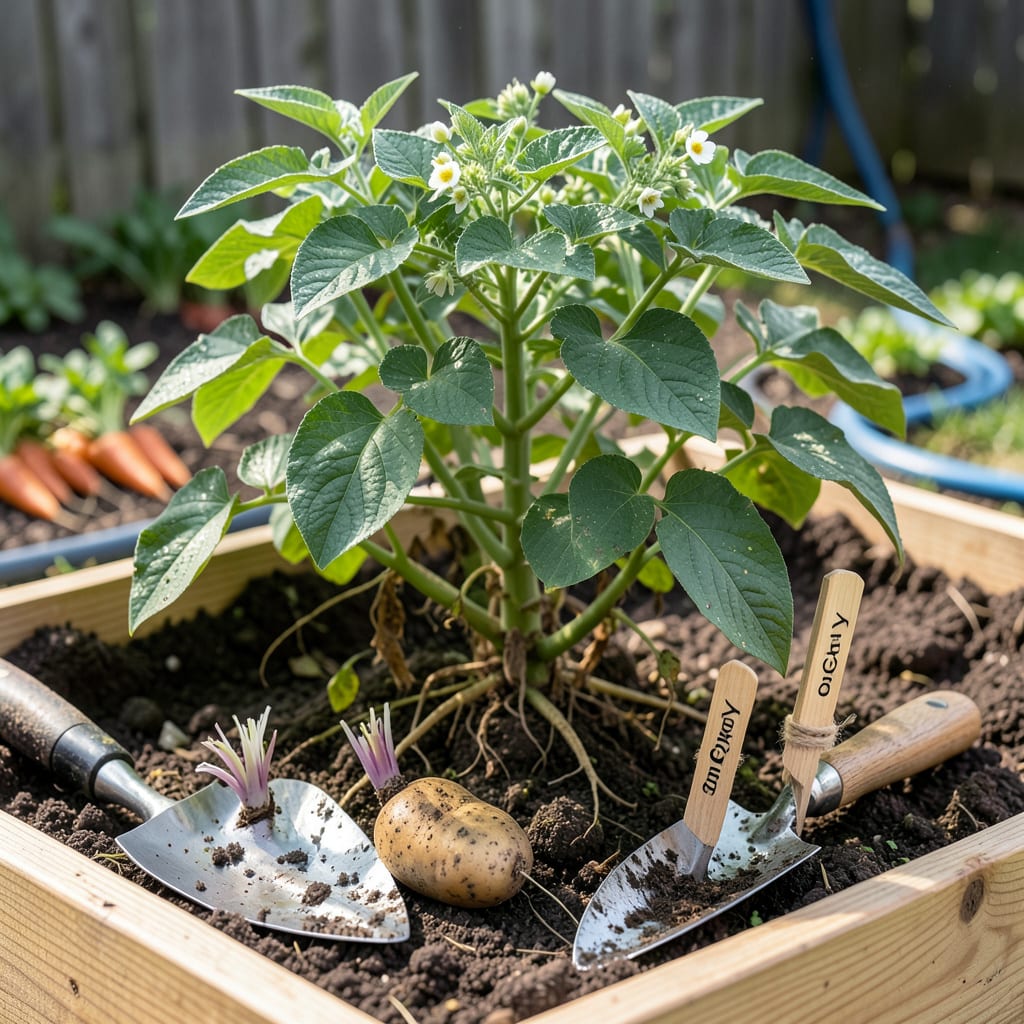
Timing your 🥔 potato planting in Zone 7 can mean the difference between a thriving harvest and a disappointing one. Plant too early, and a late frost might wipe out your crop; wait too long, and you’ll miss the sweet spot for growth.
After years of testing, I’ve nailed down the perfect window for Zone 7 gardeners. Whether you’re aiming for early summer spuds or a fall harvest, I’ll show you exactly when to get those tubers in the ground—and why it matters more than you think.
Getting your potato planting timing right in Zone 7 is all about working with our long growing season and mild winters. I’ve learned the hard way that rushing to plant in false springs (those warm February teases) can backfire when late frosts hit. The sweet spot? Soil temps at 45°F+.
Zone 7’s last frost date (around April 15) is your anchor. For spring planting, I aim for March 15–April 1, giving tubers time to establish before summer heat. Fall planting? Count backward 120 days from your first frost (October 15)—that puts you at mid-August for a winter harvest.
| Season | Planting Window | Variety Picks | Days to Harvest |
|---|---|---|---|
| Early Spring | March 15–April 1 | Yukon Gold, Red Pontiac | 70–90 days |
| Mid-Spring | April 1–15 | Kennebec, Russet | 90–110 days |
| Late Summer | August 1–15 | Fingerlings, Purple Majesty | 80–100 days |
⚡ Note: Soil must reach 45°F+ before planting. Use row covers for early starts!
For early varieties like Yukon Gold, I plant March 15–April 1 to beat the summer heat. These fast growers (70–90 days) thrive in Zone 7’s spring conditions. If you’re after storage potatoes, Kennebec or Russet planted April 1–15 give you that classic baking texture.
Fall planting is trickier but doable. I’ve had success with August 1–15 plantings of Fingerlings or Purple Majesty, which mature before first frost. Use mulch heavily to protect against early cold snaps. Remember: fall potatoes need consistent watering as rains taper off.
Microclimates matter in Zone 7! If you’re in an urban heat island, plant 1–2 weeks earlier—pavement radiates warmth. Rural areas with cooler pockets? Wait until April 1 to be safe. Always check soil temp with a thermometer—don’t guess!
Here’s my pro move: Chit your seed potatoes 4 weeks before planting. Place them in a bright, cool spot (like a windowsill) to sprout 1/2-inch shoots. This gives you a 2-week head start on growth once planted. I’ve seen chitted potatoes outperform non-chitted by 30% in yield!
Watch for false springs—those warm February days that lure you into planting too soon. I lost an entire crop once to a March 20 frost. Now, I wait until soil is consistently 45°F+ at 4-inch depth. A $10 soil thermometer saves hundreds in wasted seed potatoes.
For fall crops, timing is even tighter. Plant no later than August 15 to ensure tubers mature before frost. I use black plastic mulch to warm soil early and straw mulch later to insulate. This combo extends my season by 2–3 weeks, crucial for late varieties.
Zone 7’s long season lets you experiment! Try a succession planting: early varieties in March, storage types in April, and fall Fingerlings in August. Just rotate beds to prevent soil-borne diseases. I’ve harvested potatoes from June through December using this method.
If you’re growing potatoes in Zone 7, timing is your secret weapon. I’ve found that planting 2-4 weeks before the last frost (around mid-March to early April) gives tubers the perfect head start. The key? Soil temperature must hit 45°F or warmer—use a soil thermometer to avoid guesswork.
Not all potatoes thrive equally here. Early varieties like Yukon Gold mature in 70-90 days, making them ideal for Zone 7’s long growing season. For storage, I swear by Kennebec—it handles heat better and stores for months. Fingerlings? Plant them later (May) to avoid bolting in summer heat.
💡 Pro Tip: Chit (sprout) seed potatoes 4 weeks before planting for faster growth!
For spring planting, I aim for St. Patrick’s Day (March 17) as my reminder—it’s when soil usually warms enough. If you’re planting in fall, count backward from your first frost date (October 15). Potatoes need 90-120 days to mature, so August planting works for a late crop.
Don’t forget soil prep! Potatoes hate soggy feet, so I mix in compost and sand for drainage. A pH of 5.0-6.5 is ideal—test your soil before planting. If your soil is heavy clay, consider raised beds or containers to prevent rot.
Here’s my foolproof 3-step pre-planting
Even experienced gardeners make mistakes with potatoes in Zone 7. The biggest culprit? Planting too early during those deceptive warm spells in February. I’ve seen entire crops lost to a late March frost—don’t let that happen to you. Always wait until soil temps hit 45°F at 4-inch depth.
Another common error is ignoring soil prep. Potatoes need loose, well-draining soil to prevent rot. I mix in compost and sand before planting. Heavy clay? Consider raised beds or containers. Skipping this step leads to misshapen tubers or worse—no harvest at all.
⚠️ Zone 7 Potato Pitfalls
Fix it: Use row covers for early planting, test soil moisture, hill every 2 weeks, and pick heat-tolerant varieties like Kennebec.
Overwatering is another silent killer. Zone 7’s summer humidity means potatoes need less water than you think. I water 1–2 inches per week, tapering off as harvest nears. Too much water = rotten tubers. Use a moisture meter to take the guesswork out.
Not hilling your potatoes? Big mistake! I hill mine every 2 weeks until plants flower. This prevents green tubers (which are toxic) and encourages more spuds. Use straw or soil—both work. Skipping this step means smaller yields and potential sunburn on your potatoes.
Choosing the wrong variety can also ruin your harvest. Avoid heat-sensitive types like some Fingerlings in summer. I stick with Yukon Gold for early crops and Kennebec for storage. For fall planting, Purple Majesty handles cooling temps well. Always match varieties to your planting window!
Finally, don’t forget to rotate your crops. Planting potatoes in the same spot year after year invites disease and pests. I follow a 3-year rotation—potatoes, then beans, then squash. This breaks pest cycles and keeps soil healthy for future spud crops.
You can start as early as mid-March, but only if soil reaches 45°F+ at 4-inch depth. Use row covers for extra protection against late frosts. I’ve successfully planted Yukon Gold on March 15 with covers.
Summer planting is risky due to heat stress. Instead, plant heat-tolerant varieties like Kennebec by May 1 for late summer harvest. For fall crops, plant August 1-15 for winter harvest.
Watch for yellowing foliage and dying back stems. Gently dig to check tuber size – they’re ready at 2-3 inches with firm skin. Harvest when skin resists thumbnail pressure.
Cure freshly dug potatoes in a dark, humid (85-90°F) place for 10-14 days. Then store in cool (40-50°F), dark conditions. Avoid refrigeration – it converts starches to sugars.
This usually means over-fertilization (too much nitrogen) or inconsistent watering. Reduce fertilizer and maintain even moisture. Also check if you’ve been hilling properly every 2 weeks.
