
Beautiful Plants For Your Interior
Beautiful Plants For Your Interior
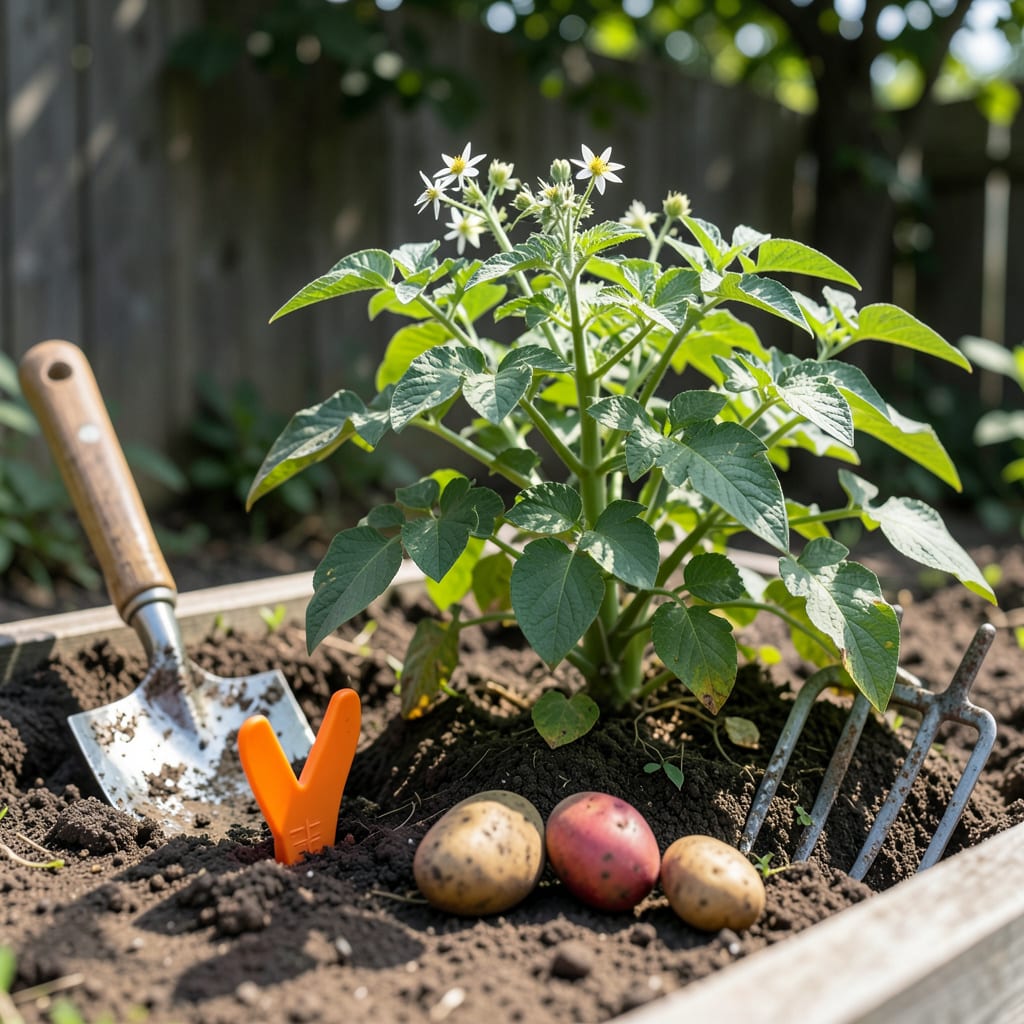
Timing your potato planting in Zone 6a can mean the difference between a bumper crop and a disappointing harvest. I’ve seen gardeners struggle with sparse, undersized 🥔 simply because they missed the sweet spot for soil temps and frost dates.
The good news? You don’t need luck—just the right strategy. I’ll break down exactly when to get those seed potatoes in the ground, how to prep them for faster growth, and the simple tricks to protect young plants from Zone 6a’s unpredictable springs. Let’s dig in.
If you’re itching to get those potato plants in the ground, Zone 6a gives you a sweet spot between late March and mid-April. But don’t just grab your trowel on the first warm day—soil temperature is your best guide. Aim for 45–55°F at planting depth.
I always check my last frost date (around April 15 in Zone 6a) and count backward. Planting 2–3 weeks before that date gives potatoes time to establish before frost risks fade. For a head start, try chitting (pre-sprouting) seed potatoes indoors 4–6 weeks ahead.
| Variety | Planting Window | Days to Harvest | Best For |
|---|---|---|---|
| Yukon Gold | Late March–Early April | 70–90 days | Early harvests, creamy texture |
| Red Pontiac | Early–Mid April | 90–110 days | Storage, all-purpose use |
| Russet Burbank | Mid–Late April | 110–135 days | Baking, late-season crops |
Tip: Use a soil thermometer to confirm temps—don’t guess!
For early varieties like Yukon Gold, I’ve had success planting as soon as soil hits 45°F, even if air temps are still chilly. These spuds tolerate cooler soil better than late-season types. Just be ready to cover them with frost blankets if a cold snap threatens.
Mid-season varieties (Red Pontiac, Kennebec) thrive when planted in early April. They need warmer soil—50°F+—to avoid slow germination. If your garden has heavy clay, consider raised beds to improve drainage and warm the soil faster.
Late-season potatoes (Russets, Fingerlings) need the longest growing window. Plant them no later than mid-April in Zone 6a to ensure they mature before fall frosts. I’ve found that mulching with straw helps moderate soil temps and retain moisture during summer heat.
Don’t overlook fall planting for a second crop! In Zone 6a, you can plant early varieties again in late July–early August for a fall harvest. Use row covers to protect from early frosts, and choose fast-maturing types like ‘Norland’ or ‘Irish Cobbler.’
Microclimates matter too. South-facing slopes or areas near windbreaks (fences, shrubs) warm up faster. I’ve noticed my raised beds are ready for planting 1–2 weeks earlier than in-ground plots. Test soil temps in different spots to find your garden’s sweet zones.
If you’re new to growing potatoes, start with Yukon Gold—it’s forgiving and productive. For storage, Red Pontiac keeps well in cool, dark conditions. And if you love baking, Russet Burbank is worth the wait, but plant early to beat the heat!
Remember: Potatoes hate soggy soil. If spring rains are heavy, plant in mounds or containers to prevent rot. A simple DIY soil test (squeeze a handful—if it crumbles, it’s ready) saves headaches later. Happy planting! 🌱
In Zone 6a, soil temperature is the make-or-break factor for potato success. Even if air temps feel spring-like, cold soil can delay germination or cause seed potatoes to rot. I’ve learned the hard way—45°F is the minimum for planting, but 50–55°F is ideal.
Don’t rely on guesswork! A $10 soil thermometer from your local garden center is worth its weight in spuds. Insert it 4 inches deep at planting time—if it reads below 45°F, hold off. Patience here prevents slow sprouting or stunted growth later.
Pro tip: Combine black plastic + raised beds for the fastest warming!
Late frosts are Zone 6a’s wild card. Even after planting, keep frost blankets or old bedsheets handy. If temps dip below 32°F, cover plants at dusk and remove by 10 AM to avoid overheating. I lost a whole row once by skipping this—lesson learned!
For early plantings, chitting (pre-sprouting) gives you a 2-week head start. Place seed potatoes in a bright, 50–60°F spot (like a sunny window) 4–6 weeks before planting. When sprouts reach ½ inch, they’re ready to go in the ground.
If your soil is slow to warm, try container planting. Fill 5-gallon buckets or grow bags with potting mix and place them in full sun. Potatoes grown this way often mature faster than in-ground plants, and you can move them indoors if frost threatens.
Monitor the 7-day forecast before planting. If nighttime lows will dip below 40°F, delay planting or use row covers. Potatoes can handle light frosts, but prolonged cold stunts growth. I use the National Weather Service’s soil temp maps to double-check my thermometer readings.
Finally, mulch matters. After planting, cover soil with 2–3 inches of straw. This moderates temperature swings, retains moisture, and suppresses weeds. Just avoid thick mulch too early—it can insulate cold soil and slow warming. Wait until sprouts emerge, then mulch lightly.
Even experienced gardeners can stumble when planting potatoes in Zone 6a. The biggest mistake I see? Planting too early in cold, wet soil. Potatoes need soil temps above 45°F—below that, they rot instead of sprout. Trust me, I’ve dug up mushy seed potatoes after an eager March planting.
Another common blunder is ignoring soil pH. Potatoes thrive in slightly acidic soil (5.0–6.5). If your soil is too alkaline, you’ll get scabby, undersized spuds. A simple $20 soil test kit from your garden center prevents this headache. Add sulfur or peat moss to lower pH if needed.
Fix these, and you’ll double your harvest!
Planting too deep is another yield-killer. Seed potatoes should sit 3–4 inches deep, not 6+. Deeper planting slows emergence and can cause weak stems. If your soil is heavy clay, plant even shallower (2–3 inches) and hill aggressively as plants grow.
Don’t forget about crop rotation! Planting potatoes in the same spot yearly invites pests like wireworms and diseases such as verticillium wilt. Wait 3–4 years before replanting potatoes (or related crops like tomatoes) in the same area. I rotate my potato beds with beans or corn to break pest cycles.
Finally, harvesting too late ruins storage potential. In Zone 6a’s humid falls, potatoes left in damp soil develop rot or sprout prematurely. Dig them up 2–3 weeks after foliage dies, then cure in a dark, well-ventilated space for 10 days before storing. This simple step extends their shelf life by months! 🌱
Seed potatoes will rot instead of sprout if soil temps dip below 45°F. I’ve lost entire plantings to eager March planting—wait until soil reaches at least 45°F at 4-inch depth to avoid mushy disasters.
Use 5-gallon buckets or grow bags with drainage holes. Containers warm faster than ground soil and let you move plants indoors if late frosts threaten. Aim for 12 inches of soil depth per plant.
Fill with a 50/50 mix of potting soil and compost. Water when top inch feels dry, and harvest when foliage yellows—just tip the container!
Keep frost blankets or old bedsheets on hand. Cover plants at dusk when temps dip below 32°F, and remove by 10 AM to prevent overheating. For extra protection, add a layer of straw mulch around stems.
Use a soil thermometer ($10 at garden centers). Insert it 4 inches deep at planting time—if it reads below 45°F, wait. Check readings for 3 consecutive mornings to confirm consistent warmth.
No thermometer? Dig a small hole, place your hand in it for 30 seconds. If it feels chilly, soil’s too cold.
Avoid it! Grocery potatoes are often treated with sprout inhibitors and may carry diseases. Always use certified disease-free seed potatoes for reliable yields. The $5 investment saves months of disappointment.
