
Beautiful Plants For Your Interior
Beautiful Plants For Your Interior
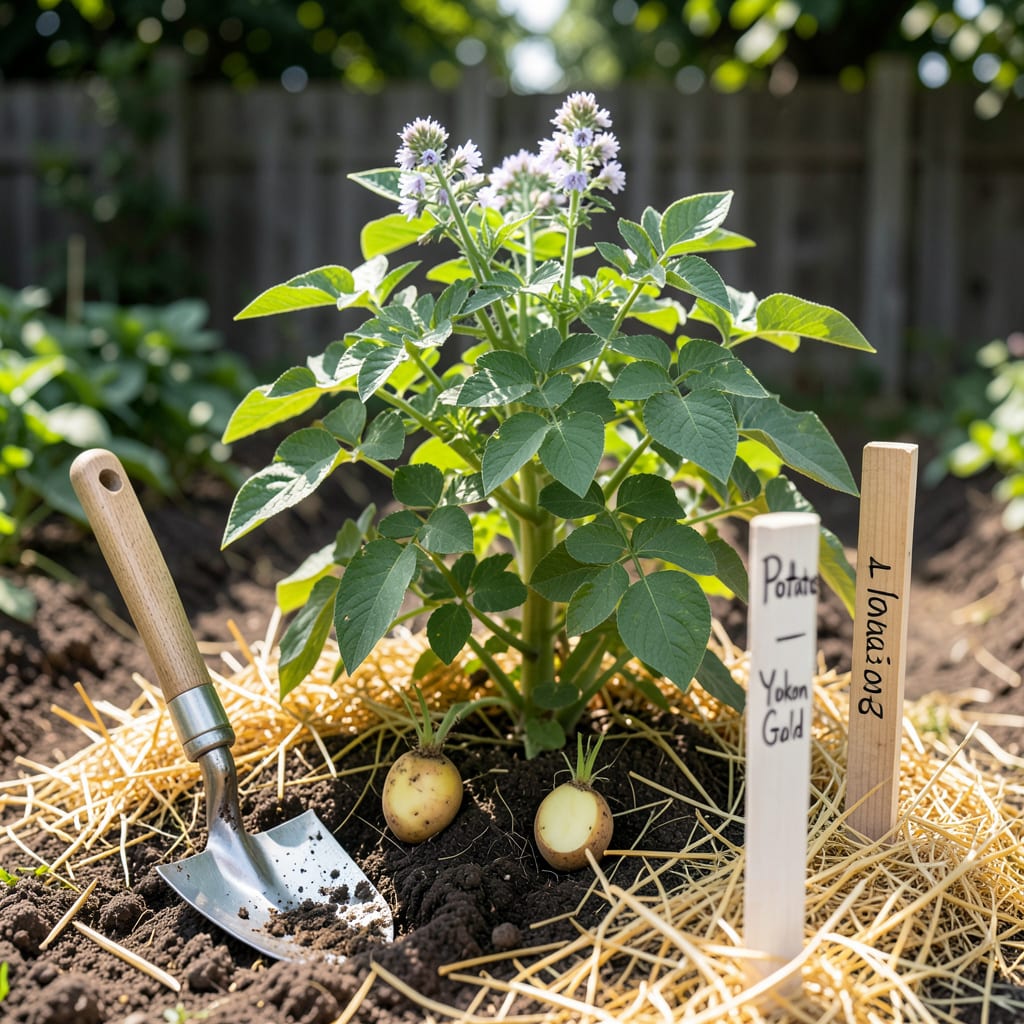
Timing your potato planting in Zone 6 can mean the difference between a bountiful harvest and a disappointing yield. Plant those 🥔 too early, and late frosts might wipe out your efforts. Wait too long, and you’ll miss the perfect window for growth.
After years of testing and tweaking, I’ve nailed down the ideal schedule for Zone 6 gardeners. Whether you’re a first-timer or a seasoned grower, you’ll want to know these key dates and tricks to get the most out of your crop this season.
In Zone 6, potatoes thrive when planted at the right time—neither too early nor too late. The sweet spot is 2–4 weeks before your last frost date, which typically falls between mid-April to early May. This means you’ll want to get those seed potatoes in the ground by late March to early April for the best results.
Soil temperature is your best friend here. Potatoes prefer soil that’s at least 45°F, but they’ll grow even better once it hits 50–55°F. If you’re eager to get started, you can use a soil thermometer to check conditions. Just remember: cold, wet soil can cause seed potatoes to rot before they even sprout.
| Season | Planting Window | Soil Temp | Notes |
|---|---|---|---|
| Early Spring | Late March–Early April | 45–50°F | Plant 2–4 weeks before last frost. Use row covers if frost threatens. |
| Mid-Spring | Mid-April | 50–55°F | Ideal for maincrop varieties. Soil is warmer, reducing rot risk. |
| Late Spring | Late April–Early May | 55°F+ | Best for fast-maturing varieties. Avoid if soil is too dry. |
| Fall (Optional) | Late August | 60–65°F | Riskier due to early frosts. Use frost blankets and harvest before first frost. |
If you’re planting in early spring, keep an eye on the 10-day forecast. Potatoes can handle a light frost, but a hard freeze (below 28°F) can damage sprouts. I always keep frost blankets or straw mulch handy to protect young plants if temperatures dip unexpectedly.
For those who want to extend the harvest, consider a succession planting approach. Plant a batch in late March, another in mid-April, and a final round in early May. This staggers your harvest, giving you fresh potatoes from July through September. Just be sure your last planting matures before the first fall frost (around mid-October in Zone 6).
Not all potato varieties are created equal when it comes to Zone 6. Early-season varieties like ‘Yukon Gold’ or ‘Red Norland’ are perfect for early spring planting because they mature in 70–90 days. If you’re planting later, opt for mid-season varieties like ‘Kennebec’ or ‘Russet’, which need 90–110 days to reach harvest.
Fall planting is trickier but doable if you’re willing to babysit your crop. The key is timing: plant in late August so tubers form before the first frost. Use black plastic mulch to warm the soil early in the season, and be ready to cover plants if nights get chilly. I’ve had success with ‘Fingerling’ potatoes in fall—they’re quick and flavorful!
Don’t forget about soil prep! Potatoes love loose, well-draining soil with a pH of 5.0–6.5. If your soil is heavy clay, mix in compost or sand to improve drainage. I also like to add a balanced fertilizer (like 10-10-10) at planting time to give tubers a nutrient boost. Avoid fresh manure—it can cause scab disease in potatoes.
Finally, pay attention to moisture levels. Potatoes need consistent watering, especially once they start flowering. Aim for 1–2 inches per week, and water deeply to encourage tuber development. Too much water can lead to rot, while too little results in small, knobby potatoes. A drip irrigation system works wonders for keeping soil evenly moist.
By following these timing tips and adjusting for your specific microclimate, you’ll be well on your way to a bumper crop of potatoes in Zone 6. Whether you’re growing them in raised beds, containers, or traditional rows, the key is getting those seed potatoes in the ground at the right time—and giving them the care they need to thrive. Happy planting! 🥔
Getting your potatoes off to a strong start in Zone 6 isn’t just about timing—it’s also about soil conditions and weather awareness. Even if you plant at the perfect time, poor soil or unexpected weather can derail your harvest. Let’s break down what your potatoes really need to thrive.
The ideal soil temperature for planting potatoes is 45–55°F. If the soil is colder, seed potatoes may rot before sprouting. If it’s warmer than 60°F, tubers might develop unevenly. I always use a soil thermometer to check conditions at 4-inch depth before planting.
Planting in soggy soil is a recipe for disaster. Potatoes need well-draining soil to prevent rot. If your garden stays wet after rain, consider:
Test drainage by digging a 1-foot hole, filling it with water, and timing how long it takes to drain. If it takes more than 4 hours, your soil needs amending.
Potatoes prefer loose, crumbly soil with a pH of 5.0–6.5. If your soil is too acidic (below 5.0), add lime to raise the pH. If it’s too alkaline (above 6.5), mix in sulfur or peat moss. A simple soil test kit from your local extension office can save you guesswork.
Weather plays a huge role in potato success. In Zone 6, late frosts can strike even after the average last frost date. Keep frost blankets or straw mulch on hand to protect emerging sprouts. If a hard freeze is forecasted (below 28°F), cover plants completely and remove the covering during the day.
Wind and heavy rain can also challenge potato plants. Strong winds may break stems or expose tubers to sunlight, causing greening (which makes them toxic). Use windbreaks or plant in a sheltered spot. For heavy rain, ensure your planting site has good drainage to prevent waterlogged soil and rot.
Finally, pay attention to microclimates in your garden. South-facing slopes warm up faster in spring, while low-lying areas stay cooler and wetter. If you’ve had issues with slow growth or rot in the past, try moving your potatoes to a sunnier, drier spot this year. Even small adjustments can make a big difference in your harvest! 🌱
Want to enjoy fresh potatoes all season long in Zone 6? With a few smart strategies, you can stretch your harvest from summer through fall. I’ve tested these methods in my own garden, and they’ve made a world of difference in both yield and flavor. Here’s how to make the most of your growing season.
The secret to a longer harvest lies in succession planting. Instead of planting all your potatoes at once, stagger your plantings every 2–3 weeks. Start your first batch in late March, followed by another in mid-April, and a final round in early May. This way, you’ll have fresh potatoes ready to harvest at different times.
Row covers are a game-changer for Zone 6 gardeners. These lightweight fabrics let in sunlight and water while protecting plants from late frosts and pests. I use them to plant my first batch of potatoes 2–3 weeks earlier than usual. Just drape the fabric over your potato rows and secure the edges with soil or stakes.
For an even longer season, experiment with fall planting. Choose fast-maturing varieties like ‘Yukon Gold’ or ‘Red Pontiac’, which can produce tubers in as little as 70–80 days. Plant in late August, and use black plastic mulch to warm the soil. Be ready to cover plants with frost blankets as nights cool down.
Don’t overlook the power of variety selection. Early varieties like ‘Norland Red’ mature in 70–80 days, perfect for spring or fall. Mid-season types such as ‘Kennebec’ take 90–110 days and thrive in summer. For late plantings, ‘Russet’ potatoes need 100–120 days but store exceptionally well for winter use.
With these pro tips, you can enjoy homegrown potatoes for months instead of weeks. Whether you’re savoring new potatoes in July or roasting fresh fall-harvested spuds, a little planning goes a long way in Zone 6. Get creative with your planting schedule, and you’ll be rewarded with a potato harvest that keeps on giving! 🥔
Planting before soil reaches 45°F risks seed rot or frost damage. Even cold-tolerant varieties struggle in soggy, freezing ground. Wait until late March unless using row covers for protection.
Yes, but timing is critical. Plant quick-maturing varieties like ‘Yukon Gold’ by late August in Zone 6. Use black plastic mulch to warm soil and frost blankets to protect from early cold snaps.
Use a soil thermometer at 4-inch depth—ideal range is 50–55°F. Morning readings are most accurate. If soil feels cold to the touch, wait a week and recheck.
Aim for early May at the latest for spring planting. Later plantings may not mature before fall frosts (mid-October in Zone 6). Opt for 70-day varieties like ‘Red Norland’ if planting late.
Containers warm faster than ground soil, so you can plant 1–2 weeks earlier. Monitor moisture closely—potted potatoes dry out faster. Use well-draining mix and 10-gallon minimum containers for best results.
